
What Finish for Exterior Paint? Best Options for Durability
You should pick a low‑to‑mid‑sheen acrylic finish—satin or low‑sheen for siding and trim, semi‑gloss for high‑traffic areas, and eggshell where you want a softer look but some washability. These finishes balance weather resistance, UV protection, and blemish‑hiding far better than flat or high‑gloss for most exteriors. Prioritize quality acrylics and climate‑appropriate additives (mildew or UV). Keep reading to see surface‑specific choices, prep tips, and maintenance schedules.
How to Choose an Exterior Paint Finish
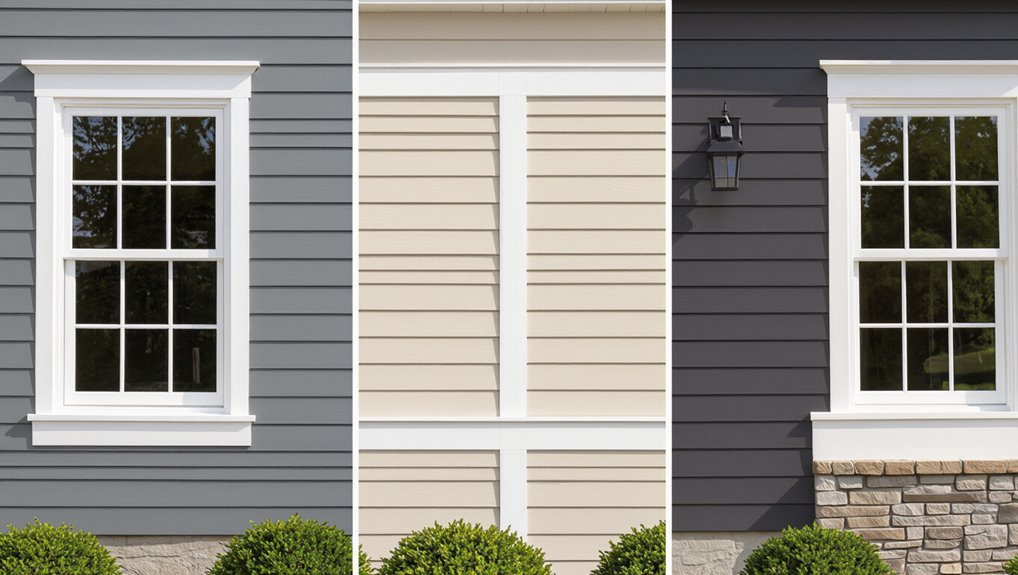
Wondering which finish will hold up and look best on your home? You’ll weigh aesthetics, surface type, and maintenance: use color theory to predict light, sheen, and contrast effects.
Then run a finish comparison focused on durability, washability, and blemish-hiding. Test samples on siding, trim, and doors.
Choose the least fussy finish that still meets weather resistance and cleaning needs.
Quick Answer: Most Durable Exterior Paint Finishes
Now that you’ve balanced aesthetics, surface type, and maintenance, let’s zero in on which finishes will actually stand up to weather and wear.
For durability, choose satin or low‑sheen for trim and siding, eggshell for moderate protection, and semi‑gloss for high‑traffic areas.
Consider color selection for heat retention and UV fading; prioritize weather resistance and quality acrylic formulations for longest life.
Five‑Question Decision Flow to Pick a Finish
You’ll answer five quick questions to narrow the best exterior finish for your project.
Think about purpose and exposure, the texture you want on the surface, and how much maintenance and longevity you need.
Those factors will steer you to a finish that balances appearance with real‑world performance.
Purpose And Exposure
Because your choice of exterior finish must match both how the surface will be used and what it’s exposed to, this five‑question decision flow helps you quickly narrow options by function and environment.
Ask what purpose the surface serves, how often it’s touched, and which exposure factors and environmental influences (sun, salt, moisture, freeze) dominate.
Match durability to real conditions.
Surface Texture Needed
Texture matters: the finish you pick should match how the surface looks and wears. You’ll assess texture considerations and plan surface preparation before choosing sheen. Smooth siding suits satin or semi‑gloss; rough stucco benefits from flatter, thicker coatings that hide imperfections.
| Surface | Suggested Finish |
|---|---|
| Smooth | Satin |
| Rough | Flat |
| Trim | Semi‑gloss |
Maintenance And Longevity
When deciding on a finish, consider how often you’ll clean, how long you want the coating to last, and how much wear the surface will take.
This five-question flow helps you balance ease of upkeep with durability so you pick a sheen that fits your maintenance habits and lifespan goals.
Ask about expected traffic, climate, and desired finish longevity; choose higher gloss for easier cleaning and improved weather resistance.
How to Decide by Surface Type: Wood, Stucco, Metal, Masonry
Choosing the right paint for each exterior surface—wood, stucco, metal, or masonry—means matching the finish and formulation to the material’s needs and your maintenance goals.
Inspect wood grains, assess stucco textures, choose appropriate metal coatings, and identify masonry types.
Examine wood grain, evaluate stucco finish, select proper metal coatings, and determine masonry type for best results
Prioritize finish compatibility, thorough surface preparation, and environmental factors.
Plan paint layering for adhesion and longevity so you get durable, low-maintenance results.
Flat Finish: When to Choose Matte Looks Over Durability
Curious if a flat, matte finish is right for your exterior?
You’ll pick flat for matte aesthetics, subtlety, and hiding surface imperfections on sheltered areas. Choose it where you won’t need frequent washing or high abrasion resistance.
Remember flat durability is lower than glossier options, so use it on protected walls, porches, or decorative trims that favor appearance over heavy wear.
Eggshell Finish: Balance of Texture and Weather Resistance
If you want a middle ground between a matte look and a shinier finish, eggshell gives you a low sheen that masks minor imperfections while adding a touch of depth.
It’s more washable and weather-resistant than flat, so it’s a solid choice for exterior walls and trim that see occasional traffic or light exposure.
You’ll like eggshell durability for siding, and eggshell maintenance is straightforward: spot-clean and repaint sooner than high-gloss.
Satin Finish: Why Pros Favor Satin for Siding and Trim
You’ll notice satin’s low-gloss sheen gives siding and trim a durable, professional look that hides minor imperfections.
It’s easy to clean and resists dirt and mildew better than flatter sheens, so maintenance is simpler.
That combination of lasting appeal and practical upkeep is why pros often pick satin for exterior surfaces.
Durable Sheen Appeal
Because satin balances sheen and resilience, professionals often choose it for siding and trim where looks meet wear-and-tear. You get durable aesthetics with a subtle glow that hides imperfections yet resists scuffs. Use this sheen comparison to decide between satin, semi-gloss, and flat based on exposure and style.
| Area | Look | Durability |
|---|---|---|
| Siding | Soft sheen | High |
| Trim | Refined | High |
| Doors | Slight gloss | Medium |
Easy Maintenance Finish
1 key reason pros pick satin for siding and trim is that it makes maintenance simple without sacrificing appearance.
You’ll appreciate satin’s smooth surface that resists dirt, wipes clean with mild soap, and hides minor imperfections.
Use easy maintenance techniques like gentle rinsing and spot cleaning to extend life.
Satin offers attractive, long lasting solutions that keep exteriors looking fresh with minimal effort.
Semi‑Gloss Finish: Best Uses for Trim and High‑Traffic Areas
When you want a durable, easy-to-clean finish for trim, doors, and other high-traffic surfaces, semi-gloss is a go-to choice: it resists scuffs, highlights architectural details, and stands up to frequent wiping without losing its sheen.
You’ll choose semi-gloss for trim applications where moisture and contact are common; its high traffic durability makes touch-ups easier and keeps edges crisp longer.
Gloss Finish: Durability Tradeoffs and Where Gloss Shines
Gloss finishes give you the highest sheen and a hard, protective surface that resists scuffs and moisture.
They work best on doors, trim, railings, and metal where you want durability and easy cleaning.
Keep in mind that gloss also highlights surface imperfections, so prep and smoothing matter.
High Sheen, High Resistance
Although a high-sheen finish can draw attention to imperfections, you’ll get superior durability and easier cleaning in areas that demand toughness. Gloss paints resist stains, repel moisture, and stand up better to scrubbing than flatter sheens, making them ideal for trim, doors, kitchens, and bathrooms.
Consider:
- high gloss reflecting light
- weather resistance against rain and sun
- color retention over years
- surface preparation and application techniques to maximize finish durability and handle environmental factors
Best Uses And Surfaces
You’ve seen how a high-sheen finish trades forgiveness for toughness; now consider where that toughness pays off most.
You’ll choose gloss for trim, doors, railings, and metal where abrasion and moisture risk are highest. Smooth, nonporous best surface types benefit most.
Pair gloss with satin or eggshell on adjacent planes—ideal finish combinations that balance cleanability, contrast, and minimized visible flaws.
How Climate Affects Finish Choice: Sun, Humidity, Freeze/Thaw
When choosing an exterior finish, consider how your local climate will stress paint: intense sun fades and breaks down binders, high humidity slows curing and promotes mildew, and repeated freeze/thaw cycles crack and peel films.
You’ll match finish to sun exposure, humidity impact, freeze resistance, temperature fluctuations, weather patterns, and seasonal changes.
- Bleached, cracked siding
- Damp, moldy corners
- Ice-lifted trim
- Blown, faded color
Salt Air and Coastal Conditions: Finishes That Resist Corrosion
Because salt-laden air accelerates corrosion and breaks down coatings, pick finishes formulated for coastal exposure so they’ll hold up against salt spray, high humidity, and wind-driven grit.
You should choose high-build acrylics or marine-grade epoxy hybrids offering superior corrosion resistance and UV stability.
Prioritize coatings with proven coastal durability, sacrificial primers for metal, and regular maintenance schedules to inspect seals and touch up vulnerable areas.
High‑Humidity and Rainy Climates: Mold‑Resistant Finish Options
In humid or rainy climates you’ll want paints formulated to resist mold and mildew growth.
Choose mold‑resistant exterior paints with antimicrobial additives, or opt for breathable waterproof coatings that block water while letting moisture escape.
That combo helps prevent staining, peeling, and trapped moisture that can lead to rot.
Mold‑Resistant Exterior Paints
If you live in a humid or rainy area, choosing a mold‑resistant exterior paint can prevent unsightly and damaging fungal growth on siding and trim.
You’ll use mold prevention strategies and paint longevity tips when selecting breathable, mildew‑inhibiting acrylics.
Picture treated surfaces resisting spores:
- Damp cedar siding after a storm
- Shaded north wall prone to black streaks
- Window trim near gutters
- Porch posts in misty climates
Breathable Waterproof Coatings
When you’re dealing with constant damp and frequent rain, breathable waterproof coatings give you the best of both worlds: they block liquid water while letting trapped moisture escape, so siding and trim stay dry without trapping vapor that breeds mold.
You’ll choose systems with breathable membranes and coatings that prioritize moisture management, resist algae, and maintain vapor permeability while sealing against driving rain for long‑term durability.
Hot, Sunny Climates: UV‑Resistant Finishes and Pigments
Because strong sunlight speeds up fading and surface breakdown, you’ll want finishes and pigments specifically formulated for high UV exposure if you live in a hot, sunny climate.
In hot, sunny climates use UV-stable pigments and coatings to prevent fading and surface breakdown.
Choose UV resistant pigments and coatings with high solar reflectivity to reduce heat load and color loss.
Picture durable surfaces:
- Faded wood sealed and refreshed
- Bright trim resisting chalking
- Light roofs bouncing heat
- Textured stucco holding color
Cold Climates: Finishes That Handle Cracking and Flaking
Hot-sun strategies won’t help when freeze–thaw cycles and bitter cold are the problem, so pick coatings built to flex and shed moisture.
In cold weather you’ll favor formulations with paint flexibility to tolerate thermal expansion and temperature fluctuations, strong surface adhesion to resist flaking, and proven weather resistance across seasonal changes.
That choice extends paint lifespan and reduces cracking from repeated contraction and expansion.
Choosing Finish by Exposure: Sun‑Facing vs Shaded Walls
If your walls face the sun they’ll need finishes that resist UV breakdown and heat cycling, while shaded walls demand products that handle moisture and mildew; choose accordingly to match each exposure.
You should assess sun exposure, shade effects, wall orientation, and climate conditions to balance light reflection, color impact, durability factors, and maintenance needs.
- Faded paint on south walls
- Moss on north shadows
- Bright reflective trim
- Damp, textured siding
New Construction vs Repainting: Finish Recommendations
When you’re building new, choose higher-build, primer-backed systems that seal raw substrates and tolerate settling; for repainting, prioritize formulations designed to adhere to existing coatings and to strip or bridge chalked finishes without excessive sanding.
You’ll weigh new construction vs repainting techniques by balancing finish longevity, cost considerations, aesthetic preferences, climate impact, surface compatibility, and preferred application methods for best results.
Prepping Surfaces for Durable Finishes
Start by evaluating and stabilizing the substrate so your finish has a clean, sound surface to bond to.
You’ll focus on surface cleaning, moisture checks, and correct primer selection to guarantee adhesion and durability.
Visualize the steps:
- Scrub mildew, dirt, and chalk away
- Rinse and let the substrate dry fully
- Sand loose or flaking paint smooth
- Mask edges and joints before priming
Repairing and Priming Wood Before Selecting a Finish
Assess the wood for rot, loose boards, nail pops, and surface defects so you know what needs repair before priming.
Remove rotten sections, secure or replace boards, fill gaps, and sand smooth.
Remove rotten boards, secure or replace loose ones, fill gaps, and sand surfaces smooth before priming.
Follow wood preparation best practices, clean debris, and let dry.
Choose priming techniques suitable for species and exposure—oil or latex high‑bond primers—so your chosen exterior finish adheres and lasts.
Preparing Masonry and Stucco for Durable Paints
Once the wood repairs are finished and primed, shift attention to masonry and stucco, since these substrates behave very differently and need other preparation steps.
You’ll do masonry preparation and stucco treatment by cleaning, repairing cracks, and using appropriate primers.
Visualize the process:
- pressure washing to remove dirt
- patching mortar and hairline cracks
- sanding rough stucco edges
- applying breathable masonry primer
Metal Surfaces: Rust Treatment and Finish Choices
Because metal rusts and old coatings can hide corrosion, you’ll need to treat metal surfaces before applying any finish to guarantee adhesion and longevity.
Remove rust mechanically, use a rust converter on remaining corrosion, then clean and prime with a metal primer.
Choose high-quality protective coatings—alkyd or epoxy primers and polyurethane or acrylic topcoats—for rust prevention and durable exterior protection.
How Paint Sheen Affects Hiding Imperfections
When you choose a flat or matte finish, it soaks up light and masks small flaws, while higher-gloss paints reflect light and can highlight bumps or sanding marks.
That increased reflection makes surface texture more visible, so smooth prep is essential if you go glossy.
Think about the condition of the substrate first, because sheen can make or break the final look.
Flat/Matte vs. Gloss
Although sheen might seem like a purely cosmetic choice, it plays a big role in how noticeable surface flaws are; you’ll pick based on hiding imperfections and upkeep.
Matte benefits include forgiving texture and less shine, while gloss drawbacks are obvious: it exposes bumps and repairs.
Imagine surfaces as:
- soft velvet
- satin porch rails
- wrinkled trim
- glossy door highlights
Light Reflection Effects
Light reflection determines how obvious bumps, brush marks, and nail heads will look on your walls: higher sheens bounce light more directly and spotlight imperfections, while flatter sheens scatter light and soften surface flaws.
You’ll choose sheen partly to conceal defects; remember sheen also shifts color perception—glossier finishes can make colors read slightly deeper or cooler, so test samples under real exterior light.
Surface Texture Visibility
A paint’s sheen has a big impact on how much texture and imperfections show, so you’ll want to match finish to the condition of the wall: flat or matte hides bumps and patchwork by diffusing light, while satin and semi-gloss will reveal more grain, brush strokes, and nail heads because they reflect light more directly.
Choose based on texture contrast and finish durability.
- sun highlights rough stucco
- rain streaks on glossy trim
- shadowed patched drywall
- bead of paint on nail head
How to Compare Finishes: Washability, Abrasion, UV Resistance
When you’re choosing an exterior paint finish, focus on three practical tests: how easily it cleans, how well it resists scuffs and wear, and how it holds up to sunlight and weather.
You’ll run a quick washability comparison, rub samples for abrasion resistance, and check manufacturer UV resistance ratings.
Balance ease of cleaning, scuff durability, and color retention for your climate.
Maintenance Frequency by Finish Type
Having tested washability, abrasion, and UV resistance, you’ll see those results directly affect how often each finish needs upkeep.
Use a simple maintenance schedule tied to expected finish lifespan so you can plan inspections.
Typical guidance:
- Gloss: inspect yearly, touch up chips
- Semi-gloss: inspect 1–2 years
- Satin: inspect 2–3 years
- Flat: inspect every 3–4 years
Cleaning and Recoating: Tips for Each Sheen
Before you recoat, make sure you follow proper surface prep steps like washing, rinsing, and sanding loose or chalky areas.
Check recoat timing on the product label so you don’t trap moisture or prevent adhesion.
Use cleaners matched to each sheen—mild detergents for flat and specialty degreasers for gloss—to get an even, durable finish.
Surface Prep Steps
Good surface prep makes the difference between a paint job that lasts and one that peels early; start by cleaning, repairing, and matching your approach to the paint’s sheen.
You’ll focus on surface cleaning and primer selection before you paint.
Visualize tasks:
- Scrub mildew off siding
- Sand glossy trim
- Fill cracks and caulk seams
- Apply bonding primer where needed
Recoat Timing
When you’re planning recoats, match your timing to the sheen: flat and matte finishes need longer drying and cure times than glosses, so wait the full recommended dry time and check for tackiness before sanding or recoating.
Create a recoat schedule based on manufacturer times, temperature and humidity. Sticking to it preserves paint integrity and maximizes paint durability, preventing peeling or premature wear.
Sheen-Specific Cleaners
Different sheens call for different cleaners and techniques, so pick products that match the finish you’re working with: flat and matte paints need a gentler, non-abrasive cleaner to avoid sheen change.
Eggshell and satin tolerate mild detergents and soft scrubbing, and gloss finishes can handle stronger cleaners and more aggressive washing without dulling.
You’ll maintain sheen durability and cleaner effectiveness by choosing agents carefully.
- Gentle sponge on matte
- Soft brush for eggshell
- Microfiber cloth for satin
- Pressure rinse for gloss
Paint Film Thickness and Number of Coats for Longevity
Although you’ll rarely see longevity discussed without mentioning aesthetics, the actual durability of exterior paint depends more on film thickness and coat count than on color or sheen; applying the correct total dry film thickness with properly recommended coats guarantees better protection against UV, moisture, and abrasion.
You should follow manufacturer specs for coat thickness and spread rates, plan proper paint application, and allow full curing between coats for maximum longevity.
Matching Finish With Color for Best Performance
If you want paint to both look its best and perform reliably, match the finish to the color and the surface: darker, saturated colors can show imperfections and heat absorption more, so choose a flatter finish to hide flaws on rough surfaces and a satin or semi-gloss on smooth areas where you want easier cleaning and greater UV resistance.
Consider color psychology and performance factors:
- Deep navy on smooth trim — crisp reflection
- Warm terracotta on stucco — hides texture
- Pale neutrals on siding — soft, forgiving matte
- Gloss accents on doors — durable, cleanable finish
Low‑VOC and Eco‑Friendly Exterior Paint: Real Options and Limits
You can choose low‑VOC and eco‑friendly exterior paints, but expect some performance tradeoffs like slower drying or different durability compared with conventional formulas.
Check green certifications (Green Seal, ECOLOGO, etc.) to understand what each label guarantees about ingredients and emissions.
Also consider application techniques and maintenance, since proper prep and occasional touchups will affect how long an eco option actually lasts.
Performance Tradeoffs
Choosing low‑VOC or eco‑friendly exterior paints means balancing environmental goals against real-world performance: you’ll get lower emissions and fewer odor concerns, but you may face limitations in durability, color retention, mildew resistance, or application conditions compared with some high‑solvent formulations.
Consider performance metrics and finish comparisons:
- Chalked trim under sun
- Softer sheens on siding
- Slower cure in cold
- Fewer harsh solvents used
Green Certification Types
While eco‑friendly and low‑VOC labels sound straightforward, the landscape of green certifications for exterior paint is varied and sometimes confusing. So you’ll want to know what each mark actually guarantees.
Look for third‑party green certifications that verify VOC limits, ingredient transparency, and environmental impact.
Understand tradeoffs: eco friendly paints reduce emissions and toxins but may have limits in formulations or performance compared to conventional options.
Application And Longevity
Because low‑VOC and eco‑friendly exterior paints can behave differently than conventional formulas, you’ll want to adjust your prep and application techniques and plan for their specific maintenance needs.
You’ll notice subtle drying, adhesion and coverage differences; anticipate touchups and more frequent inspections.
Consider these longevity factors visually:
- Smooth primered siding ready for thin coats
- Brushed trim with crisp edges
- Even rolling across panels
- Clean gutters, shaded eaves
Cost Comparison: Finish Price vs Lifetime Value
Although a cheaper satin or flat finish might save you upfront, you’ll want to weigh that against how often you’ll need to repaint and the maintenance costs over time. You’ll use cost effectiveness and value analysis to compare upfront price, durability, and touch-up frequency.
| Finish | Upfront Cost | Expected Lifespan |
|---|---|---|
| Flat | Low | 3–5 years |
| Satin | Medium | 5–7 years |
| Gloss | High | 7–10 years |
When to Choose Elastomeric or Specialty Exterior Coatings
If your home faces extreme weather, frequent moisture problems, or severe surface cracks, consider elastomeric or specialty exterior coatings; they’re formulated to stretch, bridge hairline gaps, and provide thicker, more protective barriers than standard paints.
You’ll want elastomeric benefits or specialty coatings when you need enhanced waterproofing, crack bridging, or long-term substrate protection:
- Rain-soaked stucco
- Wide thermal movement
- Persistent hairline fractures
- Coastal salt exposure
Common Mistakes That Shorten Exterior Paint Life
Choosing the right coating matters, but even the best paint won’t last if common mistakes undercut its performance. You skip paint preparation, paint in extreme temperatures, ignore moisture, or use low‑quality materials — all cut lifespan. Address environmental factors like sun and humidity.
| Mistake | Impact |
|---|---|
| Poor prep | Peeling |
| Bad timing | Crazing |
| Moisture | Mold |
| Cheap paint | Fading |
Tools and Applicators That Affect Paint‑Finish Performance
When you pick tools, brush versus roller choices shape texture and coverage, while spraying can speed the job but needs technique to avoid runs.
You’ll want simple spray-application tips—overlap, distance, and pressure—to get even results.
And keep tools clean and in good repair, because maintenance directly affects finish durability and appearance.
Brush Vs. Roller
Although both brushes and rollers apply the same paint, they produce very different textures and coverage, so you’ll want to match the tool to the surface and finish you’re after.
You’ll use brush techniques for edges and trims, while roller advantages speed broad coverage.
Picture results:
- crisp corner cuts with a sash brush
- smooth walls from a nap roller
- textured grain on wood
- rapid coverage on siding
Spray Application Tips
If brushes give you control and rollers speed coverage, sprayers deliver the fastest, most uniform finish for large exterior surfaces — but only if you pick the right tool and adjust it correctly.
You’ll learn spray techniques: keep consistent distance and overlap, adjust pressure, and thin paint per manufacturer.
Prioritize nozzle selection for droplet size and pattern to match coating viscosity and substrate for durable, even results.
Tool Maintenance Impact
Because your tools do more than hold and apply paint, keeping them clean, calibrated, and in good repair directly affects the final exterior finish you get.
You’ll extend life and improve coverage with basic tool care and simple maintenance practices.
Visualize the effects:
- Worn brush bristles causing streaks
- Clogged spray nozzle spattering
- Loose roller nap shedding
- Damaged tape bleeding paint
Real‑World Examples: Finish Choices for Common House Styles
When you pick a finish for a specific house style, think about how texture, sheen, and durability will interact with the architecture and climate.
For Craftsman Styles and Bungalow Characteristics, choose durable satin;
Colonial Homes and Cape Cod suit semi-gloss for trim;
Victorian Facades and Tudor Architecture benefit from higher sheen on details.
Modern Designs and Art Deco often use low-sheen clean lines;
Ranch Styles and Mediterranean Influences favor flat or low-luster finishes.
Checklist to Finalize Your Exterior Paint Finish Choice
You’ve seen how different sheens suit various styles; now use a short checklist to lock in the best exterior finish for your home.
Follow these steps, consider color selection and environmental factors, then decide sheen.
- Stand back and view color samples in daylight.
- Inspect trim and texture for sheen compatibility.
- Evaluate sun, moisture, and wind exposure.
- Choose durable finish, test a small area.
Frequently Asked Questions
Can Finish Choice Affect Paint Color Fading Differently on Different Pigments?
Yes — you’ll see some pigments fade faster depending on UV exposure and pigment stability, and your finish longevity affects that by shielding or exposing pigments. Choose UV-resistant binders and durable finishes to slow uneven color loss.
Do Warranties Cover Failure Due to an Inappropriate Finish Choice?
Yes — you’ll often find warranty limitations exclude failures from poor finish compatibility, so don’t expect miracles; manufacturers’ll blame your choice, not their paint, if you pick an incompatible sheen or substrate-prep.
How Soon After Painting Can I Apply Exterior Caulk to a Finished Surface?
You can apply exterior caulk after the paint has cured enough to resist indentation—typically 24–72 hours for latex, longer for oil; perform caulk application when paint curing feels dry and manufacturer’s cure times are met.
Are Certain Finishes Better for Historic or Period‑Accurate Restorations?
Yes — you should choose finishes that match historic authenticity; you’ll prefer matte or low‑sheen paints and traditional oil or linseed‑based options, and you’ll follow preservation techniques to respect original appearance and materials.
Do Finish Types Influence Exterior Insulation or Energy Efficiency?
Imagine a thick blanket over siding: yes, finish texture can subtly affect insulation performance. You’ll get minor thermal gains from textured or reflective finishes, but true energy improvements rely on dedicated insulation systems, not paint alone.
Conclusion
Choose carefully and commit: pick a finish that protects, performs, and pleases. Durable choices like satin or low‑luster sheen stand up to weather and wear, while flatter finishes flatter flaws but need more touchups. Match finish to material, use proper prep and quality tools, and prioritize protection over perfection. With smart selection and steady maintenance, you’ll safeguard your siding, save on surprises, and savor a strong, stylish shelter for seasons to come.
