
What Is a Satin Finish: Paint Sheen Explained for Beginners
A satin finish sits between flat and gloss, giving your walls a soft, low-luster sheen that gently reflects light while hiding minor imperfections. It’s tougher and easier to clean than matte, so you can use it in hallways, family rooms, kitchens, and bathrooms without worrying about scuffs. Satin balances durability and appearance, though it can show texture more than flat paint. Keep some leftover for touch-ups, and keep going to learn tips on prep, tools, and application.
What Is a Satin Finish?
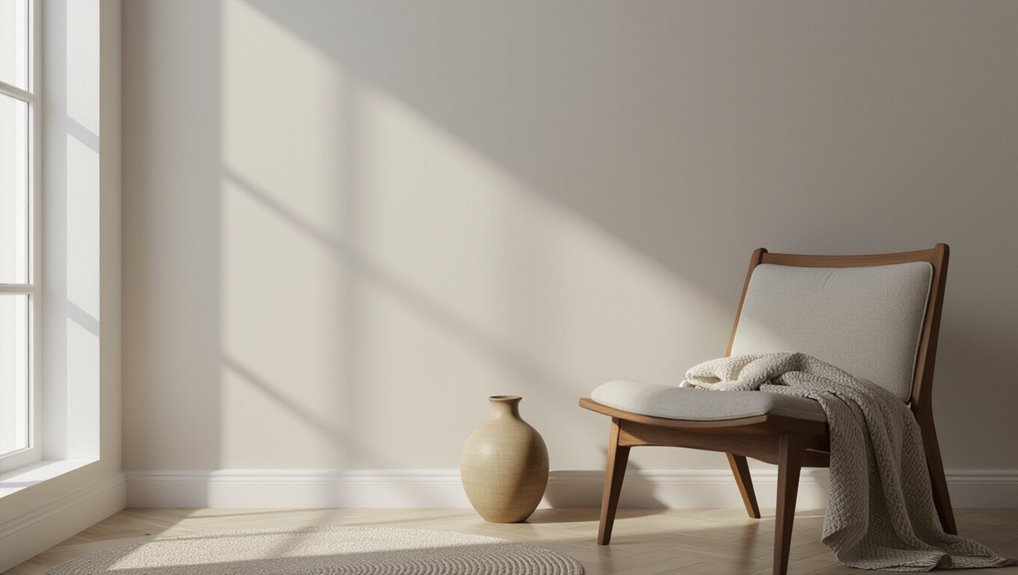
A satin finish sits between matte and gloss on the sheen scale, giving surfaces a low sheen that gently reflects light without looking shiny.
You’ll notice satin characteristics like subtle luster, moderate durability, and easier cleaning than matte.
In a clear sheen comparison, satin balances hide and highlight: it hides imperfections better than gloss but shows more texture than flat finishes, offering versatile appeal.
Quick Decision: When to Choose Satin
If you want a finish that balances subtle sheen with durability, satin is a smart pick.
You’ll often choose it for high-traffic areas like hallways and family rooms because it hides wear better than flat paints.
It’s also a good option for moisture-prone spaces such as bathrooms and kitchens where wipeability matters.
When To Use Satin
When you want a middle-ground sheen that hides minor flaws without looking flat, choose satin.
You’ll find satin applications ideal for living rooms, bedrooms, trim, and cabinets where washability and subtle luster matter.
You get finish versatility—enough reflection to clean easily but soft enough to mask imperfections.
Use satin when you want durable, attractive surfaces without high gloss.
High-Traffic Areas
You moved from general living spaces to the spots that take the most wear—hallways, entryways, kitchens, and kids’ rooms—where satin really earns its keep.
You’ll pick satin for high traffic surfaces because it resists scuffs and cleans easily.
Consider texture considerations: smoother walls reflect light evenly, while slight texture hides imperfections—both still scrub well, so choose based on appearance.
Moisture-Prone Spaces
Because moisture and frequent cleaning can wear finishes fast, opt for satin in bathrooms, laundry rooms, and basements where durability and wipeability matter most. You’ll get moisture resistance plus a soft sheen that hides imperfections and cleans easily—ideal finishes for damp zones.
| Space | Benefit | Feeling |
|---|---|---|
| Bathroom | Wipeable | Relief |
| Laundry | Durable | Confidence |
| Basement | Resistant | Calm |
Satin vs Flat, Eggshell, and Semi‑Gloss
Now let’s compare satin to flat, eggshell, and semi-gloss so you can see how their looks differ and which sheen fits your style.
You’ll learn how satin’s durability and cleaning needs stack up against the others.
Finally, we’ll point out the best rooms for each finish so you can pick the right option for your space.
Appearance Comparison
When you compare satin to flat, eggshell, and semi‑gloss, the differences show up in how each finish reflects light and masks surface texture. You’ll notice satin reflections are soft, eggshell is subtler, flat hides flaws, and semi‑gloss pops details—sheen variations guide your choice.
| Finish | Light | Texture |
|---|---|---|
| Flat | Low | Hides |
| Eggshell | Low‑Med | Subtle |
| Satin | Medium | Soft |
| Semi‑Gloss | High | Highlights |
Durability And Maintenance
Although all sheens protect your walls, satin tends to strike the best balance between durability and easy upkeep: it resists scuffs and wipes clean without showing every imperfection, while flat is the least forgiving.
Eggshell falls in the middle with moderate washability, and semi‑gloss offers the toughest surface but also highlights texture and flaws.
You’ll choose satin finish when longevity concerns meet easy maintenance.
Best Room Uses
Because each sheen balances durability, washability, and texture visibility differently, choosing the right one depends on the room’s function and how much wear it gets.
Pick satin for living room, family room, hallway trim, and entryway features; eggshell for bedroom walls and nursery decor; flat for dining room texture; semi‑gloss for kitchen cabinets and bathroom accents, plus durable office spaces.
- Satin: versatile, washable
- Eggshell: soft, forgiving
- Semi‑gloss: tough, cleanable
Benefits and Trade‑Offs for Walls and Trim
If you want a finish that balances slight sheen with forgiving coverage, satin works well on both walls and trim: it hides minor imperfections on walls while offering enough durability for high‑traffic trim and moldings.
You’ll appreciate color variety and flexible application techniques; however, satin shows scuffs more than flat paint and requires careful prep and touch‑ups to keep trim looking crisp over time.
Best Rooms and Surfaces for Satin
Where should you use satin? You’ll love satin on areas that need subtle sheen and soft durability.
Try it for living room and bedroom walls to add warmth, or for kitchen cabinets to brighten surfaces. It also suits hallway trim, bathroom accents, and nursery decor where you want gentle reflectivity without high gloss.
Use satin to warm living and bedroom walls, brighten kitchen cabinets, and add gentle sheen to trim, bathrooms, and nurseries.
- Living room and bedroom walls
- Kitchen cabinets and hallway trim
- Bathroom accents and nursery decor
Durability and Cleaning: What to Expect
You’ll find satin is tougher than flat finishes and stands up better to regular cleaning without losing its soft sheen.
Expect routine wiping with mild cleaners to remove grime, though harsh scrubbing can dull it over time.
Small scratches are easier to touch up on satin than on glossier paints, so minor repairs blend in well.
Durability Compared To Flat
Although satin has a slight sheen, it’s the finish’s resilience you’ll notice first: satin resists scuffs and scrapes far better than flat paint, so walls tolerate cleaning and everyday wear with less damage.
You’ll get improved paint longevity and fewer touch-ups.
Consider these practical differences:
- Better abrasion resistance
- Easier spot maintenance
- Longer intervals between repainting
Cleaning And Maintenance
Because satin has a slight sheen and a tougher surface than flat, it stands up to routine cleaning far better, so you can wipe scuffs and stains without stripping the pigment. Follow satin care and straightforward cleaning tips below.
| Task | Frequency |
|---|---|
| Dust | Weekly |
| Spot-clean | As needed |
| Mild soap | Monthly |
| Recoat check | Yearly |
Scratches And Touch-Ups
A satin finish resists everyday scuffs better than flat paint, but it’ll still show light scratches over time.
You’ll want to know how to touch them up without creating visible patches. You can handle scratch repair yourself if you prep, match, and feather carefully.
- Clean the area first.
- Test color matching on a scrap.
- Feather edges for seamless blending.
How Satin Changes Light and Color
When light hits a satin surface, it reflects in a soft, diffused way that keeps highlights controlled without eliminating them; you’ll notice a subtle sheen that gently reveals texture and tone rather than blasting them with glare.
You’ll see improved light reflection and modest contrast, so colors gain perceived color depth without harsh shine. Satin balances brightness and richness for a refined look.
Preparing Surfaces for Satin Paint
Start by cleaning and repairing the surface so the satin finish can adhere and reflect evenly. You’ll assess damage, sand glossy spots, and remove dust for proper surface preparation before paint application.
Then prime where needed to guarantee uniform sheen.
- Wipe, degrease, and let dry
- Fill cracks and sand smooth
- Spot-prime repaired areas before painting
Tools and Techniques for Painting Satin
Gather the right tools and use precise techniques to get an even, durable satin finish: choose a high-quality synthetic brush for cutting in, a short-nap (3/8″ to 1/2″) roller cover for smooth walls, and a good-grade angled brush for trim; keep a small foam roller or mini-roller handy for touch-ups.
Focus on brush selection, consistent roller technique, feathering edges, maintaining a wet edge, and light, even pressure.
Common Mistakes and How to Avoid Them
Now that you’ve got the right tools and techniques for a smooth satin finish, it helps to know the common mistakes people make so you can avoid them.
Avoid satin misconceptions and frequent application errors by staying attentive, prepping well, and using correct technique.
- Skipping proper surface prep leads to uneven sheen.
- Overworking wet paint causes streaks.
- Using wrong roller nap creates texture problems.
Touch‑Ups, Maintenance, and Choosing the Right Satin Paint
Touch-ups and maintenance keep a satin finish looking fresh, and choosing the right paint makes those tasks much easier.
You should keep leftover cans for quick satin touch ups, match batches, and store properly.
For satin maintenance, clean gently with mild soap, avoid abrasives, and spot-prime before repainting.
Pick high-quality, durable satin paint to minimize repairs and retain even sheen over time.
Frequently Asked Questions
Can Satin Finish Be Used on Exterior Siding?
Yes — you can use satin finish on exterior siding; it offers satin durability, resists moisture and washes well. You’ll still need regular exterior maintenance, but satin sheen balances weather resistance and a subtle, attractive low-luster look.
Is Satin Paint Safe for Nursery Rooms and Baby Furniture?
Yes — you can use satin paint in nurseries if you choose low-VOC, non-toxic formulas; you’ll protect nursery safety and furniture durability while getting washable, smooth surfaces that resist scuffs and cleanups without harming your baby’s air quality.
How Long Does Satin Paint Take to Fully Cure?
Think of satin paint as a slowly unfurling flower: it usually dries to touch in hours, but the curing process takes about 7–30 days to fully harden. You’ll monitor drying time and avoid heavy use until then.
Can I Apply Wax or Varnish Over Satin Paint?
Yes — you can apply wax or varnish over satin paint once it’s fully cured; test for varnish compatibility and perform a small wax application first, since surface prep and seal coat choice affect adhesion and final sheen.
Does Satin Finish Hide Surface Imperfections Over Time?
No — satin finish won’t hide imperfections over time; you’ll notice surface durability helps resist wear but doesn’t mask flaws. With sheen comparison, matte hides flaws better initially, while satin shows texture as light changes.
Conclusion
So you’ll pick satin because you want walls that smirk instead of shout — fancy enough to hide fingerprints, humble enough to forgive my last DIY disaster. You’ll praise its wipeability at dinner parties, then secretly judge flat for its cowardice. Choose satin when you’re tired of extremes: it’s the compromise your paint swears was accidental genius. Paint it, live with it, and pretend you meant the sheen all along.
