
Is Black Mold Hazardous: Health Risks and Safety Facts Explained
You should take black-looking mold seriously because it can trigger allergies, asthma attacks, and respiratory irritation, and prolonged exposure — especially to species like Stachybotrys — may worsen chronic symptoms or cause systemic issues. Mold grows quickly where there’s moisture on cellulose materials, so control leaks, dry wet areas, and use PPE when cleaning small patches. Test or hire pros for widespread infestations or health concerns, and keep going to learn practical prevention and remediation steps.
Quick Answer: Should You Worry About Black Mold?
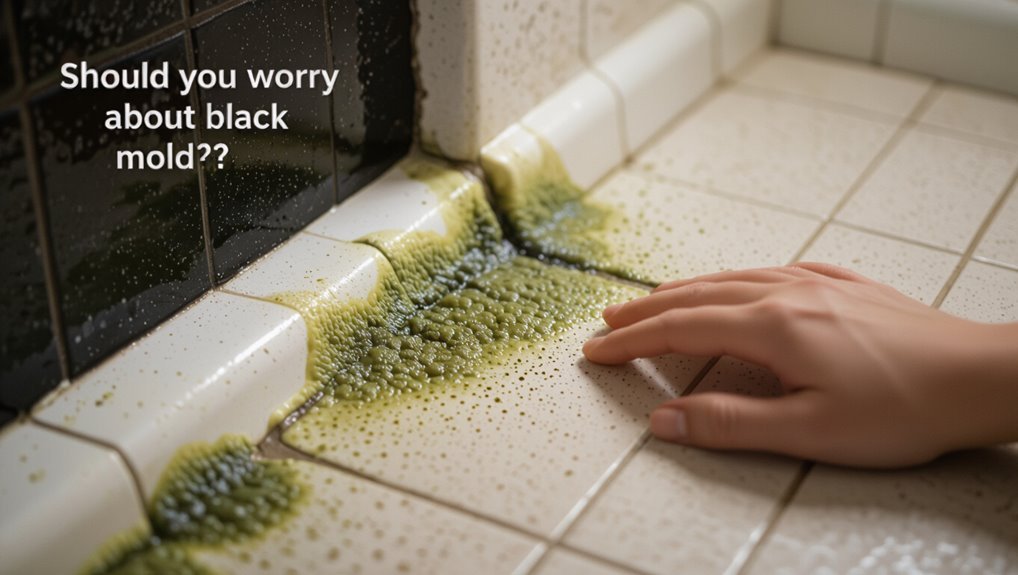
Worried about black mold? You should pay attention if you have symptoms or visible growth — it can aggravate allergies and asthma for some people.
Do routine health monitoring, address dampness, and use mold prevention steps like fixing leaks and ventilating.
You don’t need panic; prioritize cleanup and professional help for widespread contamination or persistent symptoms to reduce risk effectively.
What “Black Mold” Really Means (And Why the Label Misleads)
What do people mean when they say “black mold”?
You’ll learn that it’s a vague popular label, not precise mold terminology. People lump many dark molds together, which fuels health misconceptions and unnecessary fear.
You should focus on identifying visible growth, moisture sources, and proper remediation rather than relying on color-based assumptions to judge risk or required actions.
Common Species Called Black Mold: Stachybotrys and Others
You’ll often hear Stachybotrys chartarum called “black mold,” and you’ll want to know what sets it apart from other common species.
We’ll compare key identifying features—color, texture, growth patterns, and typical habitats—to help you tell species apart.
That context makes it easier to assess potential health risks and decide when to consult a professional.
Stachybotrys Chartarum Overview
Stachybotrys chartarum, often called “black mold,” is a slow-growing fungus that thrives on damp cellulose-rich materials like drywall and paper. It’s one of several species people commonly lump together under that name.
You should know stachybotrys characteristics: dark colonies, preference for high moisture, and mycotoxin potential.
Understand health implications—respiratory irritation and heightened risks for sensitive individuals—and act to remove sources.
Other Common Species
Although “black mold” often brings Stachybotrys to mind, several other common species can produce dark, slimy-looking growths in damp indoor environments.
You should learn about diverse mold species and toxic molds, since mold identification affects health effects and mold prevention.
Consider environmental factors that drive fungal growth, limit indoor air contamination, reduce mold exposure, and prioritize home safety through cleanup and moisture control.
Identifying Features Compared
When you compare common indoor molds often called “black mold,” you’ll see clear differences in texture, color range, and preferred surfaces that help with identification; recognizing these traits lets you assess risks and decide when to call a professional.
- Stachybotrys: slimy black, prefers cellulose, key mold characteristics.
- Alternaria: fuzzy, dark olive, grows on fabrics.
- Cladosporium: powdery, brown/green, on wood.
- Penicillium: blue-green, velvety—use visual identification.
How Indoor Mold Grows: Moisture, Materials, and Timelines
To understand black mold risk, you need to know where moisture comes from—leaky pipes, condensation, and floods all create the damp conditions mold needs.
You should also recognize which materials feed mold, like drywall, wood, carpet, and insulation.
If moisture isn’t removed, mold can start growing within 24–48 hours and become well established in days to weeks.
Moisture Sources Explained
If you keep indoor humidity high or ignore small leaks, mold will find the moisture it needs to grow on common building materials within days to weeks.
Understanding where that moisture comes from—condensation, plumbing failures, roof leaks, or ground seepage—helps you stop growth before it spreads.
You should track moisture sources, humidity levels, water leaks, condensation issues, drainage problems, ventilation solutions, weather conditions, and maintenance practices.
- Inspect plumbing failures.
- Monitor humidity levels.
- Fix drainage problems.
- Improve ventilation solutions.
Materials That Feed Mold
After you’ve tracked down moisture sources, turn your attention to the materials that actually feed mold—because moisture alone won’t cause growth unless it meets organic or porous surfaces that fungi can digest.
You’ll find mold growth thrives on organic materials like drywall paper, wood, carpet backing, and wallpaper.
Control humidity levels and remove cellulose sources promptly to deny fungi the nutrients they need.
Typical Growth Timelines
When moisture meets a suitable surface, mold can go from invisible spores to visible colonies faster than most people expect; within 24 to 48 hours you can see early growth on damp, porous materials.
Within a week, a problem can become well-established.
- Assess growth conditions quickly.
- Control environmental factors: humidity, temperature.
- Remove wet materials within 48–72 hours.
- Monitor recurring damp spots to prevent spread.
How to Spot Black-Looking Mold Vs. When Testing Helps
Wondering whether that dark patch is dangerous mold or just grime?
Use mold identification techniques and visual inspection tips: look for fuzzy or slimy texture, spread pattern, musty odor, and damp history.
If it’s confined, non-toxic cleaners may work.
Testing helps when health symptoms persist, contamination is widespread, or you need species confirmation for remediation planning.
When to Call a Professional Mold Tester or Remediator
If you see large, spreading patches of mold, you should call a professional tester or remediator right away.
Also contact one if you or your family keep having unexplained respiratory symptoms, headaches, or allergic reactions that don’t get better.
Finally, get help after any significant flooding or persistent leaks, since hidden moisture can keep mold growing.
Visible Extensive Growth
Visible, widespread mold—black, fuzzy patches spreading across walls, ceilings, or large areas of flooring—means it’s time to call a professional; you shouldn’t try to handle extensive growth on your own because it often indicates deeper contamination, hidden water damage, or airborne spores that need testing and trained remediation.
- Note visible symptoms and photograph growth patterns.
- Avoid disturbing colonies.
- Call certified tester/remediator.
- Prepare documentation for repairs and insurance.
Persistent Health Symptoms
When you—or members of your household—keep getting unexplained respiratory problems, persistent headaches, worsening allergies, or recurring sinus infections despite treatment, it’s a clear sign to call a professional mold tester or remediator.
If you notice chronic fatigue, respiratory issues, skin irritation, neurological symptoms, digestive problems, or mood disorders that don’t resolve, get expert testing and remediation to identify and remove hidden mold sources promptly.
After Flooding Or Leaks
After a flood or major leak, act quickly—standing water and soaked materials can foster mold growth within 24–48 hours.
So call a professional tester or remediator if you see warping, persistent damp smells, or ongoing staining that won’t dry.
You’ll limit flood damage and improve mold prevention by getting expert assessment and containment.
- Rapid inspection
- Moisture mapping
- Air/surface testing
- Safe remediation
Who’s Most at Risk: Kids, Seniors, and Immunocompromised People
Because your immune system changes over a lifetime, some people face higher risks from black mold exposure than others; children, older adults, and anyone with weakened immunity tend to have stronger reactions and more severe complications.
You should note children’s vulnerability, take elderly precautions, and monitor immune system effects.
Reduce exposure by addressing environmental factors, improving ventilation, and seeking medical advice promptly.
Short-Term Health Effects of Indoor Mold Exposure
If you spend time in a moldy indoor space, you’ll likely notice immediate symptoms like sneezing, coughing, itchy eyes, or a runny nose as your respiratory system reacts to spores and irritants; some people also get headaches, skin rashes, or worsening asthma within hours of exposure.
- Short-term mold symptoms often start within minutes.
- You may develop respiratory issues like wheezing.
- Eyes and throat usually feel irritated.
- Symptoms often improve after leaving the area.
Chronic Health Concerns Linked to Prolonged Mold Exposure
Short-term reactions often ease once you leave a moldy space, but prolonged exposure can cause more serious and persistent problems. You may develop chronic symptoms like fatigue, cognitive fog, and sinus issues; long term effects can include ongoing respiratory and neurological complaints.
| Symptom Category | Examples |
|---|---|
| Neurological | Cognitive fog, headaches |
| Systemic | Fatigue, persistent malaise |
When Mold Triggers Allergies and Asthma Attacks
When mold spores enter your home, they can easily set off allergic reactions and asthma attacks in people who’re sensitive to them.
You should recognize allergy triggers and act fast to reduce exposure, improving asthma management and overall breathing.
- Identify visible or musty mold.
- Control humidity and leaks.
- Use HEPA filtration.
- Seek medical advice for severe reactions.
Common Black Mold Myths : What’s True and What’s Not
You’ve learned how mold can trigger allergies and asthma; now let’s clear up what you might’ve heard about “black mold.”
Many claims about black mold—its appearance, toxicity, and the health risks it poses—get exaggerated or mixed up with other mold types.
You should focus on myth debunking: not all dark mold is deadly, tests aren’t always necessary, and mold misconceptions can cause unnecessary fear.
DIY Safety: Removing Small Mold Patches (Do’s and Don’ts)
If you find a small mold patch—about a 10 square-foot area or less—you can often handle it yourself safely with the right precautions.
Wear proper safety equipment, contain the area, and use gentle mold removal techniques to avoid spreading spores.
Wear protective gear, isolate the area, and use gentle removal methods to prevent spreading mold spores.
Don’t mix cleaners or disturb porous materials; consult a pro if symptoms or extensive damage appear.
- Wear PPE
- Ventilate
- Clean gently
- Dispose properly
Preventing Mold: Moisture Control, Ventilation, and Materials
Because moisture drives mold growth, controlling humidity and keeping materials dry are your first lines of defense.
You should practice proactive moisture management: fix leaks, slope ground away from foundations, and use vapor barriers.
Employ ventilation strategies like exhaust fans and whole-house ventilation to reduce dampness.
Choose mold-resistant materials—cement board, metal studs, and treated drywall—and inspect regularly to catch issues early.
After Flooding: Immediate Steps to Reduce Mold Risk
After a flood, you should remove standing water quickly to prevent mold from taking hold.
Then dry affected areas thoroughly with fans and dehumidifiers to cut moisture levels.
Finally, discard porous items like carpets, insulation, and upholstered furniture that stayed wet and can’t be fully cleaned.
Remove Standing Water
Start by removing standing water as soon as it’s safe to do so; stagnant water fuels mold growth within 24–48 hours and increases long-term health risks.
You’ll prioritize standing water removal and moisture control to limit contamination. Follow these steps:
- Pump or bail out large pools immediately.
- Use wet vacuums for smaller areas.
- Protect yourself with gloves and masks.
- Dispose contaminated materials promptly.
Dry Affected Areas
Once you’ve removed standing water, dry affected areas quickly to stop mold from taking hold—moisture left for more than 24–48 hours lets spores colonize and spread.
Use fans, dehumidifiers, open windows, and wet/dry vacuums to speed drying.
Target walls, floors, and insulation, lifting carpets if soaked.
Prioritize airflow and temperature control as core drying techniques for effective mold prevention.
Discard Contaminated Items
Having dried surfaces as thoroughly as possible, you should quickly separate and toss items that water has soaked through and that can’t be fully cleaned and dried—these are prime mold breeding grounds.
- Remove soaked carpeting and padding for proper mold disposal.
- Discard upholstered furniture and pillows as contaminated belongings.
- Throw away porous drywall and insulation showing stains or odor.
- Bag and label discarded belongings for safe transport and removal.
Documenting Mold for Landlords, Buyers, and Insurance Claims
Because proof matters when you’re dealing with landlords, buyers, or insurers, document mold carefully and immediately: take dated photos from multiple angles, record locations and sizes, note odors or health symptoms, and save any correspondence about the issue.
You should keep organized mold documentation, log remediation steps, and get written estimates. These records support insurance claims and legal conversations, protecting your rights and finances.
Practical Checklist: Keep Your Family Safe From Mold Exposure
Good documentation gives you leverage with landlords, buyers, and insurers, but keeping your family healthy means taking immediate, practical steps at home.
Use these mold prevention tips to protect family health and act quickly on leaks, ventilation, and visible growth.
- Fix leaks and dry within 48 hours.
- Improve ventilation and use dehumidifiers.
- Clean small mold with detergent and PPE.
- Hire pros for large infestations.
Frequently Asked Questions
Can Pets Get Sick From Exposure to Black Mold?
Yes — your pets can get sick from black mold; watch for pet symptoms like coughing, sneezing, lethargy, vomiting, or skin irritation, and act quickly with mold prevention measures like fixing leaks, improving ventilation, and professional remediation.
Does Bleach Permanently Remove Black Mold From Porous Surfaces?
No — you shouldn’t expect miracles: bleach can lighten surface mold but won’t permanently kill roots in porous surface challenges. For reliable mold removal techniques, you’ll need scrubbing, sealants, or replacing the contaminated material.
Can HVAC Systems Spread Black Mold Throughout a Home?
Yes — your HVAC system can spread black mold spores throughout your home if it’s contaminated. Regular HVAC maintenance reduces moisture and filters spores, improving mold prevention; you should clean ducts, change filters, and fix leaks promptly.
Are There Reliable Over-The-Counter Mold Test Kits for Homeowners?
Yes — some kits work, but they’re limited. I once swabbed a bathroom; results matched a lab’s 60% mold test accuracy. You’ll get DIY mold testing clues, but consider professional confirmation for certainty.
Will Mold Insurance Cover Mold Caused by Long-Term Leaks?
Generally no — insurers usually deny mold from long-term leaks if you didn’t maintain plumbing or use leak detection methods. You should document mold prevention strategies and timely repairs to improve chances for coverage and claims success.
Conclusion
You don’t need to panic, but don’t shrug it off either—mold’s a real hazard when moisture’s left unchecked. Tackle leaks, dry wet materials fast, boost ventilation, and swap porous items that stay damp. Test if you suspect toxic growth or have persistent symptoms, and document damage for insurers or landlords. Think of it like carrying a pocketwatch: a small, timely action now keeps your home healthy and saves you bigger problems later.
