
Why Does Paint Crack? Common Causes and How to Prevent It
You’re seeing paint crack because the coating’s been stressed—usually from poor surface prep, trapped moisture, incompatible products, excessive film thickness, or extreme temperature swings. Skipping primer, painting damp surfaces, or applying too many heavy coats makes paint brittle and reduces adhesion. Control humidity, fix leaks, prep and dry surfaces, use correct primer/paint combos, and follow manufacturer recoat times to prevent failure. Keep going and you’ll find detailed fixes, pattern clues, and when to call a pro.
Quick Overview: How to Stop Paint Cracking Fast
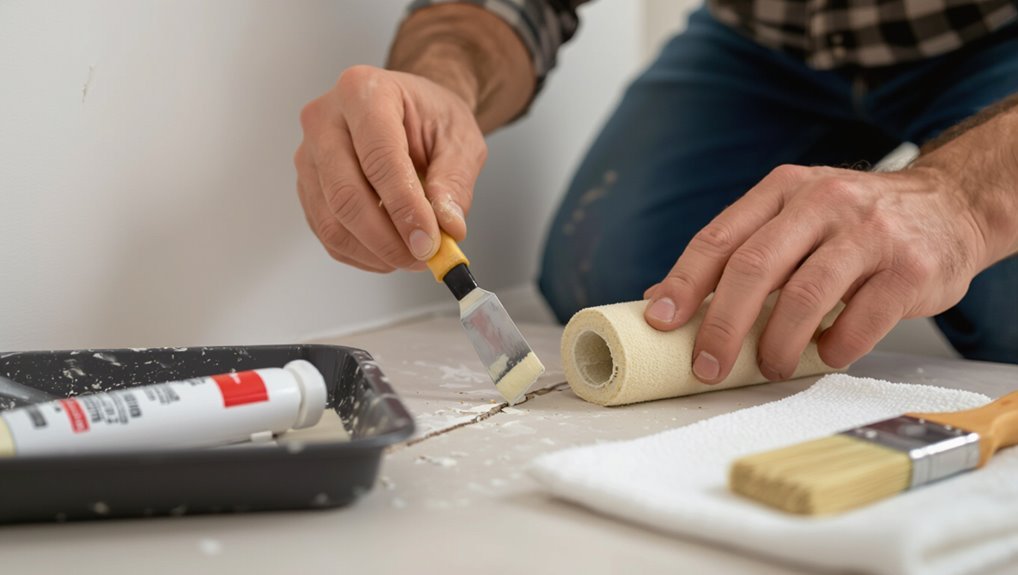
If your paint’s cracking, act fast to stop it from getting worse: identify whether the issue’s caused by surface contamination, improper priming, incompatible layers, or extreme temperatures.
Then remove loose paint, sand smooth, clean the surface, apply a suitable primer, and repaint with the right product for the substrate and conditions.
You’ll focus on crack prevention and quick fixes: spot repairs, proper drying, and matching primer/paint.
How Paint Cracking Looks: Types and Visual Clues
You’ll spot two common patterns when paint starts failing: alligatoring shows a network of raised, scaly patches that resemble reptile skin, while hairline cracks are thin, spiderweb-like lines across the surface.
Both give clues about underlying causes—old brittle paint or poor adhesion for alligatoring, and shrinkage or slight substrate movement for hairline cracks.
Knowing the visual difference helps you choose the right fix.
Alligatoring Pattern
Alligatoring looks like a network of irregular, interlocking cracks that resemble reptile skin, so you can spot it at a glance.
You’ll see raised, flaky plates where old paint loses adhesion.
Recognize alligatoring causes: incompatible coats, excessive film thickness, or aged, brittle layers.
For alligatoring prevention, remove failing paint, sand thin, prime properly, and apply compatible, flexible topcoats for lasting adhesion.
Hairline Cracks
When you spot delicate, spider-webbed lines running across a painted surface, you’re likely looking at hairline cracks—very fine fissures that rarely lift the paint but can signal underlying movement, substrate settling, or surface tension issues.
You should inspect for structural shifts, moisture, or improper primer.
For hairline crack prevention, address causes and use flexible coatings; for hairline crack repair, sand, prime, and apply compatible paint.
The Science of Paint Failure: Why Coatings Crack
Although paint often seems to fail suddenly, cracking is usually the end result of predictable physical and chemical stresses that weaken the coating over time.
You’ll see failures when paint chemistry, UV exposure, thermal cycling, or moisture disrupts adhesion and reduces coating integrity.
Stress concentrates at weak spots, brittle binders fracture, and flexible layers fatigue.
Stress gathers at weak spots: brittle binders crack while flexible layers wear out, leading coatings to fail over time.
Preventive choices and maintenance slow this degradation.
Common Surface-Prep Mistakes That Cause Cracking
Skip proper prep and you’ll invite cracking later.
You must prioritize substrate preparation and surface cleaning to guarantee adhesion. Poor primer selection, wrong paint types or bad tool choice and application methods create weak films.
Ignore surface texture, inadequate drying time, or adverse weather conditions and environmental factors, and the coating will fail.
Follow correct steps to prevent stress and cracking.
Moisture and Humidity: How They Break Paint
If you paint over a damp surface or trap moisture in the undercoat, the finish won’t adhere and will blister or crack as it dries.
High indoor humidity slows curing and keeps paint soft, making it more prone to movement and failure.
Check surfaces for dryness and control humidity before and during painting to prevent these issues.
Trapped Moisture Undercoat
When trapped moisture stays beneath a paint layer, it pushes and breaks the coating from the inside out. You’ll see blistering, peeling, or flaking even on recently painted surfaces.
You should identify moisture sources—leaks, damp walls, or wet substrates—before painting.
Respect undercoat importance: use breathable primers and allow full drying.
Repair leaks and dry surfaces to prevent trapped moisture and subsequent cracking.
High Indoor Humidity
High indoor humidity undermines paint adhesion and finish by keeping surfaces damp long after application, so you’ll see soft, tacky paint, blistering, or mildew growth even without visible leaks. You should use humidity control and ventilation solutions to dry surfaces, prevent bubbling, and protect sealants.
| Problem | Cause | Fix |
|---|---|---|
| Tacky paint | Moist air | Dehumidifier |
| Blisters | Trapped moisture | Vent fans |
| Mildew | Persistent damp | Clean/airflow |
| Peeling | Weak bond | Improve drying |
Wet Surface Application
Controlling indoor humidity helps, but applying paint to a wet or damp surface creates a different set of problems you need to avoid.
If you attempt a wet application over surface moisture, the paint won’t adhere properly, will blister, and may peel as it dries.
Always dry and prime substrates, use moisture meters, and wait until surfaces are fully dry before painting.
Temperature Swings and Thermal Movement That Cause Cracks
Because paint expands and contracts with heat, sudden temperature swings put stress on coatings and lead to cracking over time.
You’ll notice thermal expansion during seasonal shifts as surface temperature fluctuates, causing material contraction elsewhere.
Maintain paint elasticity and monitor structural integrity to prevent failure.
- Monitor daily surface temperature
- Allow flexible coatings
- Inspect joints and gaps
When Paint Layers Clash: Incompatible Coatings Explained
When different paint types don’t chemically or mechanically bond, your topcoat can lift, craze, or crack as the layers react to stress and aging.
You should check layer compatibility before recoating: incompatible solvents, binders, or flexible properties weaken paint adhesion.
Sanding, using proper primers, and matching formulations prevent clashes so coatings move together and resist stress, reducing cracking and delamination.
Aging Paint: How Old Finishes Develop Cracks
As paint ages, you’ll notice it loses flexibility and becomes brittle, which makes small stresses turn into cracks.
Sunlight, moisture, and temperature swings accelerate that breakdown, so UV and weathering are major culprits.
And when many old layers sit on top of each other, uneven movement and trapped stresses make cracking far more likely.
Loss Of Flexibility
If you leave paint on a surface long enough, it slowly loses the flexibility that helped it move with temperature shifts and everyday stress.
Those rigid areas are where cracks start to form. You’ll notice flexibility loss and weakened paint adhesion; to prevent spread, you should:
- inspect regularly
- remove loose coating
- apply flexible primers
Replace brittle finishes before cracks advance.
UV And Weathering
Although sunlight seems harmless, UV radiation and weathering steadily break down paint binders and pigments, making finishes brittle and prone to cracking.
You’ll notice chalking, fading, and loss of gloss as UV exposure weakens polymers. To preserve paint longevity, choose formulations with strong weather resistance and apply proper protective coatings.
Regular inspections and timely touch-ups prevent small defects from becoming widespread cracking.
Multiple Paint Layers
Layers matter: old finishes stack up over years, and each additional coat changes how the paint system bends, breathes, and adheres.
You’ll face multiple layers, adhesion issues, and paint deterioration if layer compatibility and quality differences aren’t checked.
Mind surface tension, drying time, paint interactions, application techniques, and environmental factors to prevent cracking.
- Test bonds
- Strip incompatible coats
- Adjust techniques
Structural Movement and Settling as a Cause of Paint Splits
When a building shifts or settles, paint often shows the stress first—you’ll see straight cracks following joints, corners, or studs where materials move differently. You should inspect movement patterns and foundation issues early, since settlement effects undermine structural integrity, reduce paint adhesion, and drive crack propagation. Repair movement sources, control moisture, and use flexible sealants to accommodate future shifts.
| Issue | Sign | Fix |
|---|---|---|
| Foundation issues | Hairline cracks | Structural repair |
| Settlement effects | Joint gaps | Releveling |
| Movement patterns | Aligned splits | Reinforcement |
| Paint adhesion | Flaking | Prep & primer |
Application Errors That Trigger Cracking (Coverage, Thickness, Drying)
When you skimp on coverage or slap on paint too thick, the finish can’t move properly and will crack.
Thick layers trap solvents and stress the film as they dry, while thin, patchy coverage leaves underlying surfaces exposed and brittle.
Also watch drying conditions—too-fast or too-slow curing makes adhesion and flexibility fail.
Insufficient Coverage
If you don’t apply enough paint or spread it too thin, the coating won’t form a continuous, durable film and is far more likely to crack as it cures.
You should use proper paint application techniques and follow insufficient coverage solutions to avoid failures.
Tips:
- Apply even coats
- Respect manufacturer recoat times
- Use appropriate tools for surface texture
Excessive Paint Thickness
Because too-thick paint dries unevenly, you’re more likely to see surface tension failures and skinning that lead to cracking as solvents escape beneath a hardened outer layer.
You should monitor paint viscosity, thin batches per manufacturer directions, and apply multiple thin coats.
Use proper application tools—rollers, brushes, or spray—matched to the product to guarantee even film build and prevent trapped solvent stress and eventual cracking.
Improper Drying Conditions
Thick or uneven film builds often mask the next big culprit: improper drying conditions.
You must control drying temperature and airflow management to match paint brand recommendations, application method, and paint thickness.
Consider surface texture and environmental factors to guarantee proper curing time.
Key steps:
- Adjust ventilation and heaters
- Thin coats and correct application method
- Monitor humidity and temperature
Substrate-Specific Cracking: Wood, Drywall, and Metal Problems
Different substrates stress paint in different ways, so you’ll see distinct cracking patterns on wood, drywall, and metal.
You’ll manage wood expansion with flexible primers and joints, respect drywall texture by sanding and priming for uniform film, and prevent metal oxidation by cleaning and using rust-inhibiting primer.
Good surface prep guarantees strong paint adhesion and reduces substrate-specific cracking.
How Interior vs. Exterior Conditions Change Cracking Risk
You’ll notice indoor humidity swings make paint expand and contract more frequently, which can stress coatings on surfaces like drywall and wood.
Outside, extreme temperature changes and UV exposure drive wider expansion and contraction cycles that can cause brittle finishes to crack.
Understanding these different stresses helps you choose the right paint and maintenance schedule for each setting.
Indoor Humidity Fluctuations
Because interior humidity swings affect how paint bonds and expands, you need to watch indoor moisture as closely as exterior conditions when evaluating cracking risk.
You should prioritize humidity control and moisture management to preserve paint longevity through seasonal changes and temperature regulation. Improve air circulation and consider dehumidifier usage.
- monitor levels
- ventilate rooms
- address leaks promptly
Outdoor Temperature Extremes
Indoor moisture control helps, but exterior temperature swings play a different role in paint cracking risk because they force siding, trim, and walls to expand and contract at rates that don’t always match the interior.
You should account for temperature fluctuations and seasonal changes by choosing appropriate paint types and flexible primers.
Match coatings to your climate impact to minimize stress and prevent cracking.
Inspecting and Diagnosing Paint Cracks Step-by-Step
Start by surveying the affected area systematically, working from the largest visible cracks to the smallest hairlines so you don’t miss related damage.
For effective paint inspection and crack assessment, note patterns, depth, and location. Record findings, photograph areas, and plan repairs.
Use this quick checklist:
- Document crack size and pattern
- Note surrounding surface condition
- Prioritize repairs by severity
Test for Moisture, Adhesion, and Substrate Problems
Once you’ve documented the cracks, test for moisture, adhesion, and substrate problems to find the root cause rather than just treating surface symptoms. You’ll perform moisture testing, check for adhesion issues, and do substrate evaluation while noting environmental factors that affect results.
| Test | What to look for |
|---|---|
| Moisture | Dampness, salt blooms |
| Adhesion | Flaking, tape pull |
Choosing Primers and Paints to Prevent Cracking
When you choose primers and paints that match the substrate and exposure conditions, you’ll create a flexible, well-adhered system that resists cracking rather than hiding it.
Pick primer types and coating systems that optimize adhesion properties and paint flexibility. Consider finish types, paint qualities, drying times, surface conditions, and environmental factors.
Use proper application tools for consistent layers.
- Compatibility
- Flexibility
- Drying control
Surface Prep Steps to Prevent Paint Cracking
After choosing primers and paints that match the substrate and exposure, you’ll need to prepare the surface so those products can perform—good paint fails more from poor prep than from product choice.
You’ll do a substrate assessment, address defects, perform surface cleaning, and confirm primer selection and paint compatibility.
Account for environmental factors, and pick proper application tools to guarantee adhesion and uniform coverage, minimizing future cracking.
Application Techniques That Minimize Paint Cracking
Start by applying paint steadily and deliberately; consistent technique is the backbone of crack-free finishes.
You should use proper brushwork techniques and a fine roller application to lay even coats, avoid overworking wet paint, and maintain uniform film thickness.
Follow basic habits:
- Load brush/roller evenly
- Work in manageable sections
- Maintain wet edges to blend seamlessly
Repairing Different Types of Paint Cracks Effectively
Although small hairline cracks can often be fixed with simple surface prep, treating larger, alligatoring, or substrate-related cracks needs different steps and materials, so you should first identify the crack type, remove loose paint, and assess whether the damage is superficial or structural before choosing filler, primer, or patching methods. Use proper repair techniques and material selection; consider environmental factors and aim for long term solutions.
| Crack Type | Best Fix |
|---|---|
| Hairline | Fill/prime |
| Alligatoring | Strip/patch |
| Structural | Repair substrate |
Preventing Future Cracking With Maintenance and Environment Control
Because regular upkeep and controlling moisture and temperature are the cheapest ways to stop paint from cracking, you should schedule inspections, keep surfaces clean and dry, and address leaks or condensation quickly to prevent stress on paint films.
Regular upkeep and moisture control prevent paint cracking—schedule inspections, keep surfaces dry, and fix leaks promptly.
Maintain consistent maintenance routines and monitor environmental factors.
Use preventative steps:
- Inspect seals and caulking regularly
- Control indoor humidity
- Clean surfaces before repainting
DIY vs. Pro: When to Call a Professional
Keeping up with maintenance and controlling moisture will stop many cracking problems, but you’ll still face decisions about repairs and repainting—do it yourself or call a pro.
Assess Project Complexity, Time Investment, Skill Level and Cost Considerations.
Use DIY Techniques for minor fixes; hire Professional Expertise for structural issues.
Prioritize Quality Assurance: warranties, proper prep, and durable materials when stakes are high.
Frequently Asked Questions
Can Paint Cracking Lead to Toxic Mold Growth Behind Walls?
Yes — cracked paint can let moisture in, and you could get toxic mold behind walls if damp persists. You should do regular wall inspections, fix breaches, and prioritize mold prevention to keep hazards away.
Do Painted Antiques Lose Resale Value if Repainted?
Yes — you risk lowering value if you repaint; collectors favor paint authenticity, but careful antique restoration can boost appeal. If you’re worried about mistakes, hire a pro who’ll preserve patina, provenance, and marketability.
Can Pests Like Termites Cause Paint to Crack?
Yes — you’ll see paint crack when termite damage weakens wood beneath, causing movement and flaking; you should hire pest control promptly, repair compromised substrates, and repaint after structural fixes to prevent recurring cracking and deterioration.
Is Paint Cracking Covered by Homeowner’s Insurance?
Usually no; you’ll find cosmetic paint cracking isn’t covered by homeowners insurance. You can file insurance claims for damage tied to covered perils, but read coverage limitations carefully and document causes to support any claim.
How Does Salt Exposure Near Coastlines Affect Paint Longevity?
Salt exposure near coastlines accelerates paint deterioration: you’ll see salt corrosion eating finishes and blistering, and coastal humidity drives moisture under paint. You should use corrosion-resistant primers, regular washing, and frequent repainting to protect surfaces.
Conclusion
You’ve learned the main causes of paint cracking and how to stop it — now act before small problems grow. Fix prep and application mistakes, control moisture, and choose the right products so coatings last. Do routine inspections and repair hairline or spider cracks promptly to prevent bigger damage. Remember, “a stitch in time saves nine”: quick, consistent care saves time and money later, so don’t wait to protect your surfaces.
