
Is Mold From Water Damage Dangerous? Health Risks Explained
Yes — mold after water damage can harm you. It can start growing within 24–48 hours and soon releases spores that irritate your lungs, trigger allergies, worsen asthma, and sometimes cause infections. Young children, the elderly, and people with weakened immune systems face higher risks. Act fast to dry, clean, and ventilate wet areas, and call pros for large or hidden infestations. Keep going to learn how to spot, prevent, and safely remove it.
What Happens to Mold After Water Damage
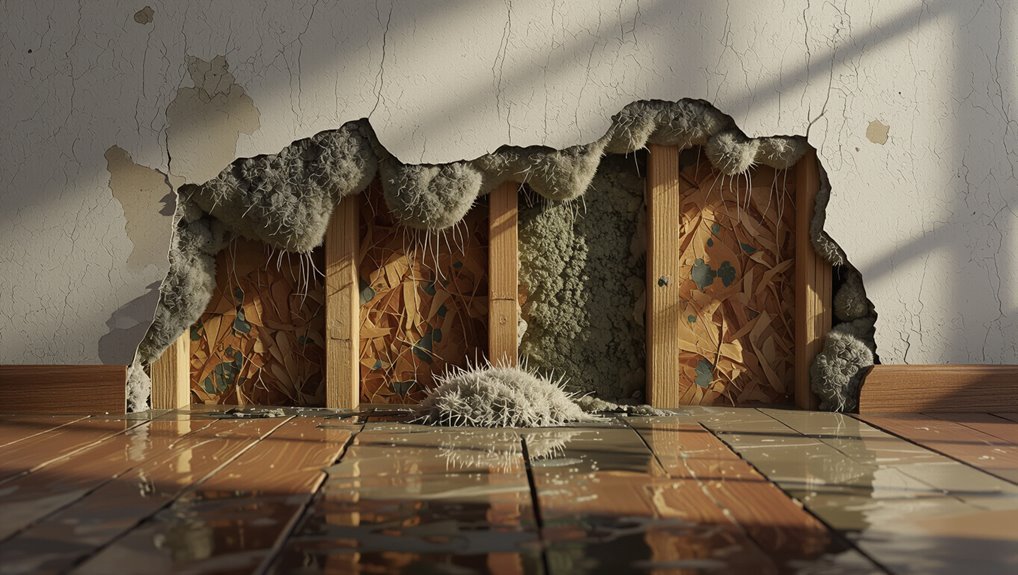
When water invades your home, mold doesn’t wait; it begins feeding on damp materials within 24–48 hours, releasing spores and breaking down organic surfaces like drywall, wood, and carpeting.
You’ll notice discoloration, musty odors, and weakened materials as the mold lifecycle progresses.
Prompt moisture control and drying halt development, limit spore spread, and reduce health risks by removing the habitat mold needs.
How Fast Mold Grows and Why Timing Matters
You’ll often see mold start to appear within 24–48 hours after water damage, with colonies becoming clearly visible in a few days.
Mold grows fastest in warm, damp, and poorly ventilated areas, so addressing moisture and humidity quickly limits spread.
Watch for early signs like musty odors, discoloration, or a slightly fuzzy texture so you can act before health risks increase.
Visible Growth Timeline
Because mold only needs moisture, warmth and organic material, it can start colonizing wet building materials within 24 to 48 hours after water damage.
You should track the mold lifecycle and growth factors closely:
- Day 1–2: invisible spores activate.
- Day 3–7: visible spotting appears.
- Week 2–4: colonies expand, odors emerge.
- Month 1+: structural staining and decay worsen.
Ideal Growth Conditions
Although mold can seem to appear overnight, its growth depends on a few clear conditions—moisture, temperature, food (organic material), and time—and knowing how those interact tells you how fast colonies will establish and why quick action matters.
You should control ideal moisture levels and avoid favorable temperatures (roughly 60–80°F) on porous surfaces; spores can colonize within 24–72 hours if conditions persist.
Early Detection Signs
How quickly can you spot mold after a leak? You’ll often see growth within 24–48 hours in damp areas.
Use mold detection methods and watch for early warning signs to act fast.
- Visible discoloration
- Musty odors
- Allergy symptoms
- Persistent dampness
Respond quickly—timing limits spread and health risks.
Immediate Steps to Protect Health After Water Damage
If you see water damage or suspect mold, get out of the affected area right away and keep others away until it’s assessed.
Put on protective gear—an N95 respirator, gloves, and eye protection—before re-entering to check or handle materials.
Don’t touch contaminated items with bare hands and limit time spent inside to reduce exposure.
Evacuate Affected Areas
Because mold can spread quickly after water damage, you should leave affected rooms as soon as it’s safe and practical to do so.
Follow clear mold evacuation protocols and basic health safety measures:
- Close doors to contain spores.
- Turn off HVAC if possible.
- Move pets and vulnerable people out.
- Ventilate nearby areas and call professionals for assessment.
Wear Protective Gear
One essential immediate step after water damage is to put on protective gear before you re-enter affected areas; proper PPE reduces your exposure to mold spores, bacteria, and contaminated water. You should wear protective clothing and use safety equipment—gloves, respirator, goggles—to limit inhalation and skin contact. Remove and launder gear after use.
| Item | Purpose | When |
|---|---|---|
| Gloves | Barrier | Always |
| Respirator | Filter spores | Entering rooms |
| Goggles | Eye protection | During cleanup |
| Boots | Prevent tracking | While inside |
Which Mold Types Form After Floods and Leaks?
When your home gets wet from floods or persistent leaks, several common molds can take hold within 24–48 hours; the most frequent culprits are Aspergillus, Penicillium, Cladosporium, and Stachybotrys (black mold), each with distinct growth habits and health implications.
- Aspergillus — thrives in damp dust, can irritate lungs.
- Penicillium — fast colonizer after flood aftermath.
- Cladosporium — grows on fabrics, causes allergies.
- Stachybotrys — toxic potential; needs careful mold identification.
How to Identify Visible and Hidden Mold in Your Home
How can you tell if mold is visible or hiding in your home? Use simple mold detection techniques: inspect stains, musty odors, peeling paint, and allergy symptoms. Check hidden mold locations like behind drywall, under carpets, in crawlspaces, and inside HVAC systems.
| Sign | Location | Action |
|---|---|---|
| Stain | Wall | Inspect |
| Odor | Attic | Ventilate |
| Peel | Floor | Lift |
| Symptoms | Ducts | Test |
How Building Materials Change Mold Growth Risk
Because different materials absorb and retain moisture differently, they directly affect how fast and where mold will grow in your home.
You should consider building materials and mold resistance when repairing water damage.
- Wood soaks water, feeding mold quickly.
- Drywall traps moisture and hides colonies.
- Concrete dries slower but supports surface growth.
- Mold‑resistant gypsum and treated lumber reduce risk.
How Water Damage Category Affects Mold and Health
When you assess water damage, the source matters: clean (Category 1) water is less likely to carry pathogens than contaminated (Categories 2 and 3) water.
Contaminated water not only increases mold growth but can introduce bacteria and viruses that complicate health risks.
You’ll need to match remediation urgency and protective measures to the damage category to reduce exposure.
Clean Water vs Contaminated
If water is classified as “clean” (Category A), it’s less likely to introduce harmful microbes right away, but you still need to act quickly because standing moisture can still feed mold growth and raise health risks over time.
- Clean water sources limit immediate contamination.
- Dry quickly to prevent mold.
- Contaminated water effects speed up risky growth.
- Use remediation if staining or odor appears.
Pathogens And Mold Growth
You’ve seen how clean water limits immediate contamination but can still fuel mold if it’s allowed to sit; now consider how different water categories influence which microbes take hold and how fast they spread.
You’ll need mold identification techniques to distinguish species and inform remediation.
Prioritize pathogen prevention strategies: dry quickly, remove porous materials, and use protective gear to limit cross-contamination and health risks.
Exposure Risk By Category
How does the water category change the mold and health risks you face after damage? You’ll see varying mold exposure, risk factors, health impacts, and preventive measures by contamination level:
- Clean water: low risk factors, minimal health impacts, routine preventive measures.
- Gray water: moderate mold exposure, increased risk factors, respiratory symptoms.
- Black water: high mold exposure, severe health impacts, strict remediation.
- Mixed: assess and act quickly to limit harm.
How Mold Exposure Affects Respiratory Health
Because mold releases tiny spores and microbial compounds into the air, breathing contaminated indoor air can directly irritate your lungs and airways.
You may develop respiratory infections, persistent coughing, wheeze, or chest tightness as your body fights invaders.
Mold exposure also triggers allergic reactions in many people, causing nasal congestion, sore throat, and increased mucus production.
Seek cleanup and medical advice promptly.
Allergy and Asthma Risks After Mold From Water Damage
If you’ve had water damage, mold growth can sharply raise your risk of allergic reactions and asthma flare-ups by releasing spores and allergens into the air you breathe.
You may notice symptoms escalate with ongoing mold exposure and worsening respiratory issues.
Consider actions:
- Monitor symptoms closely
- Reduce moisture promptly
- Improve ventilation
- Seek medical advice for persistent reactions
Which Molds Are Truly Dangerous?
When you’re worried about mold after water damage, focus on a few key types that pose real health threats: Stachybotrys (often called “black mold”), certain Aspergillus species, and some Penicillium and Alternaria strains.
You should treat these toxic molds seriously; consult professionals for testing and removal. Other mold types may irritate, but these demand prioritized cleanup to protect air quality and health.
Symptoms to Watch for in Children and Seniors
Although your family may seem fine after water damage, children and seniors can show subtle or rapid signs of mold-related illness that you shouldn’t ignore.
Even if your home looks ok after water damage, watch kids and elders for subtle or sudden mold-related symptoms.
- Persistent cough, wheeze, or increased asthma in child symptoms.
- Irritability, poor feeding, or unusual lethargy in child symptoms.
- Confusion, dizziness, or breathing trouble in senior symptoms.
- Increased falls, fatigue, or worsening chronic conditions in senior symptoms.
When to Seek Medical Attention for Mold Exposure
If your symptoms get worse or don’t improve after a few days, you should see a healthcare provider to prevent complications.
Watch closely for high-risk signs in infants, older adults, pregnant people, or anyone with weakened immune systems or chronic lung disease.
If you notice breathing difficulty, high fever, severe fatigue, or confusion, seek immediate medical care.
When Symptoms Worsen
Because mold-related symptoms can escalate quickly for some people, you should watch for clear signs that your condition is getting worse and needs medical attention.
Track symptom progression, especially with chronic conditions.
Seek help if you notice:
- Rapid breathing difficulty
- High fever or persistent cough
- Neurological changes or severe headaches
- Worsening skin lesions or spreading infection
High-Risk Group Signs
The signs listed above can progress more severely in certain people, so you should be especially alert if you or someone in your care falls into a high-risk group.
If high risk individuals develop fever, chest pain, shortness of breath, severe coughing, wheezing, confusion, or persistent neurological symptoms, seek medical attention promptly.
Those with known mold sensitivity or weakened immunity shouldn’t delay care.
When to Call a Professional Mold Remediator
When should you call a professional mold remediator? You should hire experts when contamination is widespread, health symptoms appear, water damage is ongoing, or you lack safe cleanup knowledge.
Professionals perform a mold assessment, use advanced remediation techniques, and prevent recurrence.
- Visible mold over 10 sq ft
- Persistent musty odor
- Occupant health effects
- Structural or HVAC involvement
What to Expect From Professional Testing and Remediation
If you’ve decided to hire professionals after spotting widespread mold or experiencing health effects, expect a systematic process: inspectors will assess the scope, collect air and surface samples if needed, and outline a remediation plan with timelines and containment strategies.
You’ll get a written estimate, clear mold testing results, containment and removal steps, HEPA cleaning, and post-remediation verification to guarantee safety.
Step-by-Step: Preventing Mold After a Water Incident
Because quick action stops mold before it starts, you should dry, clean, and inspect affected areas within 24–48 hours after a water incident.
Act fast—dry, clean, and inspect water-damaged areas within 24–48 hours to prevent mold growth.
Use these mold prevention strategies and water damage mitigation steps:
- Remove standing water and ventilate.
- Dry materials with fans/dehumidifiers.
- Discard soaked porous items.
- Clean surfaces with appropriate cleaners and monitor for regrowth.
Long-Term Home Maintenance to Reduce Future Mold
Although a quick response stops immediate growth, ongoing maintenance keeps mold from returning; you should schedule regular checks, control humidity, and repair vulnerabilities so moisture never becomes a problem. You’ll adopt preventive measures and perform routine inspections to protect your home.
| Area | Action | Frequency |
|---|---|---|
| Basement | Dehumidify | Monthly |
| Roof | Repair leaks | After storms |
| HVAC | Clean filters | Quarterly |
Frequently Asked Questions
Can Mold From Water Damage Affect Pets Differently Than Humans?
Yes — pets can react differently; you’ll notice varying pet sensitivity to mold exposure, with symptoms like sneezing, coughing, lethargy, or skin irritation. You’ll want prompt vet care and mold removal to protect everyone.
Can Homeowners’ Insurance Cover Mold Remediation Costs?
Yes — you might get mold coverage, but insurance policies vary widely; you’ll need to check your policy, document damage promptly, and prove covered causes like sudden leaks, since gradual neglect or flood damage is often excluded.
Are There Safe DIY Mold Test Kits I Can Trust?
Yes — you can use DIY testing kits, but they’re limited. You’ll get basic spore presence info, not definitive Mold types or toxicity. If results worry you, don’t wait: hire a pro for thorough sampling and analysis.
Can Mold Damage Release Dangerous Mycotoxins Into the Air?
Absolutely — mold can release mycotoxin exposure into the air, and you shouldn’t ignore it like it’s nothing; you’ll notice mold health effects vary, so take action promptly to limit exposure and protect your lungs.
Will Mold Remediation Lower My Home’s Resale Value?
Remediation usually helps — you’ll limit mold impact and often improve the resale market by fixing damage, documenting repairs, and preventing recurrence; buyers prefer treated properties, so proper remediation typically preserves or even boosts your home’s value.
Conclusion
Think of your home as a garden after a storm: if you leave soggy soil and broken fences, weeds—here, mold—will creep back and choke your plants. Act fast, dry and repair, and you’re tending that garden, protecting health and beauty. If patches keep returning or smell lingers, call a pro to uproot the problem. With steady care, vigilance, and quick action after water, you’ll keep the garden thriving instead of watching it wilt.
