
Does Exterior Paint Increase Home Value
Yes—fresh, well-chosen exterior paint often increases your home’s appeal and can boost offers and speed a sale. Buyers notice neat, coordinated colors and smooth finishes; paint signals upkeep, protects siding, and highlights architectural details. It pays best on structurally sound homes and when paired with landscaping or small repairs; paint won’t hide major issues. Choose neutral, durable finishes and vet pros for prep and application, and keep going to learn which situations benefit most.
Quick Answer: Should You Paint Before Selling?
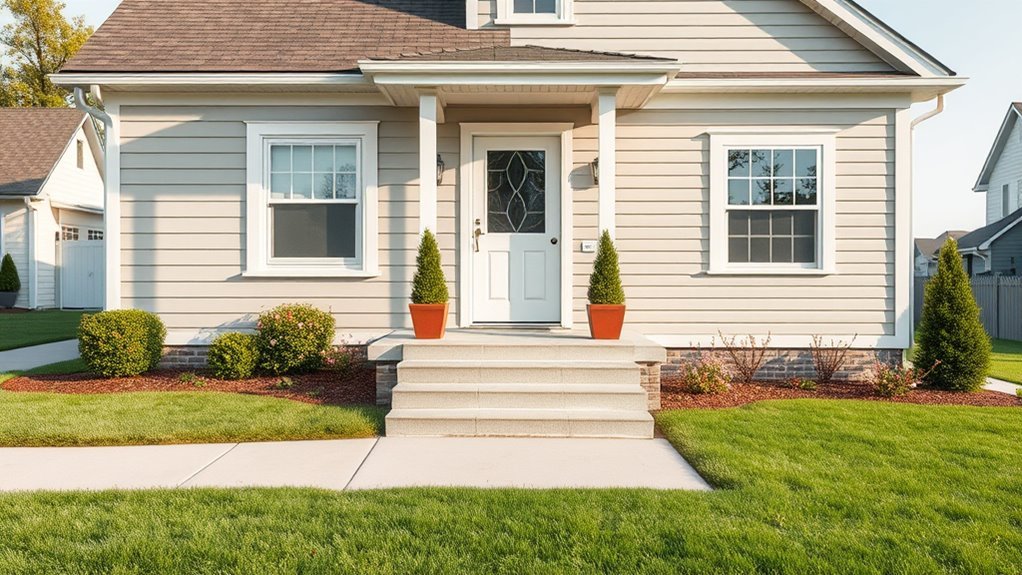
If your home’s exterior looks worn, dated, or has peeling paint, yes — you should paint before selling because buyers notice curb appeal first and it can raise perceived value. You’ll refresh first impressions, making listing photos pop and encouraging showings.
Choose neutral, modern hues that complement garden landscaping and hint at cohesive interior color schemes without matching them exactly. Painting’s cost is modest compared with potential return, but prioritize visible areas: trim, front door, and siding.
If budget’s tight, focus on repairs, cleaning, and touch-ups to maximize appeal. Consult a realtor for neighborhood-appropriate color guidance.
Does Exterior Paint Actually Increase Home Value?
You’ll notice paint can instantly boost curb appeal by making your home look well cared for and more inviting. That first impression often translates into higher buyer interest and can shorten time on market.
But you’ll want to weigh the likely return on investment—costs, color choices, and local market expectations—before committing.
Curb Appeal Impact
When buyers drive up to your house, the first thing they’ll notice is the exterior—and a fresh, well-chosen coat of paint can make that first impression feel intentional rather than neglected.
You can boost curb appeal by coordinating paint with garden landscaping, trimming overgrowth, and ensuring pathways look inviting. Choose colors that highlight architectural details and pair with shutters, doors, and trim for a cohesive look.
Paint that seals surfaces also protects siding from moisture and can improve perceived energy efficiency by reducing drafts and heat transfer.
Small, thoughtful exterior updates make your home feel cared-for and more attractive to potential buyers.
Return On Investment
Because a fresh exterior coat changes how buyers perceive and protect the house, it often delivers a measurable return on investment—though the exact boost depends on neighborhood standards, paint quality, and color choices.
You’ll recoup costs faster when paint complements interior decor, landscaping improvements, and local expectations. Pick durable products and neutrals to widen appeal.
Consider professional prep to avoid hidden expenses. Track local sale prices to estimate your ROI realistically.
- Boosts perceived maintenance and value
- Low cost vs. other renovations
- Faster sale with cohesive curb-to-core style
- Enhances photos and listing appeal
How Paint Affects Curb Appeal and Buyer Perception

When a buyer pulls up, your paint is the first thing they’ll notice and it sets the tone for everything that follows. The right color can spark an emotional connection, while the wrong shade can turn people off before they step inside.
Well-maintained paint also sends a clear signal that the rest of the house has been cared for.
First Impressions Matter
Ever wondered how a fresh coat of exterior paint can change a buyer’s mood before they even step inside? You see the house differently: neat lines, consistent sheen, and signs that the property was cared for.
Color psychology and paint durability both signal value—hues that complement architecture and coatings that resist weathering tell buyers this place was maintained. You’ll make a strong first impression when entry feels intentional and protected.
Consider these quick wins to boost curb appeal and buyer perception:
- Repair trim and touch up chips
- Choose finishes that withstand climate
- Guarantee clean, even application
- Coordinate accents for cohesion
Color Choices Influence Emotion
How do colors make buyers feel before they even reach the door? You’ll shape expectations with hue choices: warm tones invite friendliness, cool tones suggest calm, and neutrals signal versatility. Use color psychology to match a home’s style and neighborhood vibe so buyers instantly connect.
Consider accent trims to highlight features without overwhelming senses. Remember emotional impact — subtle contrasts can create perceived space and cleanliness, while bold palettes convey personality but risk narrowing appeal.
You’ll balance standout character and broad marketability, guiding buyer perception with deliberate, researched color decisions that support curb appeal and quick, positive reactions.
Maintenance Signals Quality
Color choices set expectations, but the condition of that paint seals the first impression. You want buyers to feel cared-for maintenance rather than deferred repairs; smooth, even paint tells them you’ve kept systems updated and respected historical preservation where relevant.
Worn, peeling surfaces suggest neglect and raise questions about environmental impact from lead or improper disposal. Use fresh paint to communicate reliability, but choose responsibly.
- Clean lines show attention to detail.
- Consistent color signals cohesive upkeep.
- Proper prep reduces future complaints.
- Eco-friendly finishes limit environmental impact and preserve heritage.
How Much Value Can Fresh Exterior Paint Add?
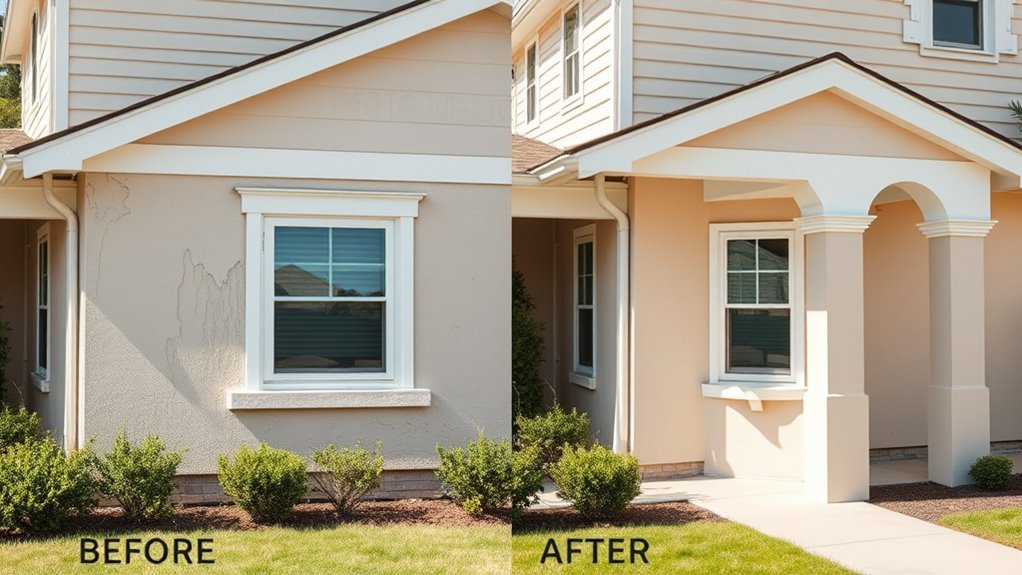
When you refresh your home’s exterior with a quality paint job, you can expect a noticeable boost in curb appeal that often translates into higher market value. Buyers notice neat siding, consistent color, and improved exterior texture.
While exact percentages vary by neighborhood and home condition, a well-executed repaint commonly recoups a significant portion of its cost through faster sales and stronger offers.
Focus on paint durability and proper prep to avoid premature touch-ups that undercut value.
Pairing fresh paint with clean landscaping and repaired trim maximizes perceived worth, letting you command a firmer asking price without major renovations.
When Exterior Paint Gives the Best ROI
If you’re planning updates that will actually pay off, exterior paint gives the best ROI on homes that already have solid siding and trim. Buyers reward a clean, well-maintained look more than they do major renovations on structurally or mechanically troubled properties.
Exterior paint delivers the strongest ROI—buyers favor a clean, well-maintained look over costly structural fixes
You’ll get top returns when paint addresses curb appeal, color cohesion, and protects surfaces. Consider Historical significance for period homes and choose authentic palettes. Weigh Environmental impact by selecting low-VOC coatings.
Target projects that are cosmetic, timely, and visible.
- Fresh, cohesive curb appeal
- Touching up trim and accents
- Respecting period color palettes
- Low-VOC, durable finishes
When Paint Won’t Improve Resale Value
If your house sits in a neighborhood with rundown curb appeal, a fresh coat of paint alone won’t change buyers’ perceptions.
You also won’t get much value from paint if underlying structural or maintenance issues—like a sagging roof or rotted siding—are still present.
Focus on fixing big problems first, then use paint to enhance the improvements.
Poor Neighborhood Curb Appeal
Although a fresh coat of paint can transform a single house, it won’t overcome broader neighborhood issues that buyers notice first; cracked sidewalks, vacant lots, or poorly maintained neighboring homes signal problems beyond your siding. You’ll find buyers evaluate neighborhood demographics and safety more than your chosen paint branding.
While clean, consistent color helps, it can’t mask declining schools, high turnover, or visible neglect nearby. Focus on realistic expectations: paint helps individual appeal but won’t change market perceptions. Consider community improvements, local advocacy, or pricing strategies instead of relying solely on color to boost resale potential.
- Assess nearby maintenance
- Research local crime stats
- Talk to neighbors
- Adjust pricing accordingly
Structural Or Maintenance Issues
When major problems like a sagging roof, foundation cracks, rotten siding, or widespread water damage are present, fresh paint won’t change a buyer’s calculus and can even look like an attempt to hide defects. You shouldn’t rely on color to fix structural issues; buyers will spot foundation issues and roofing concerns during inspection. Address repairs first to protect value and trust. Use paint only after repairs and proper drying. Below is a concise checklist:
| Issue | Priority |
|---|---|
| Foundation issues | Repair immediately |
| Roofing concerns | Replace or patch |
| Water damage | Dry and remediate |
How Local Markets and Neighborhoods Change Paint ROI
Because neighborhoods and local markets shape buyer expectations, the return you get from repainting can vary widely from street to street. You should study neighborhood trends to see whether buyers prefer fresh, modern looks or preserved period details.
Consider paint durability for local weather and maintenance budgets; durable finishes often boost perceived value.
Align choices with nearby comps and expected buyer demographics, and don’t overspend where modest updates suffice.
- Check recent sale photos on local listings
- Talk with agents about buyer priorities
- Factor climate-driven paint durability
- Compare repaint cost to typical local price premiums
Best Exterior Paint Colors to Appeal Buyers
If you want broad buyer appeal, stick with a neutral palette—soft grays, warm beiges, and off-whites create a clean, versatile backdrop that helps buyers imagine their own furnishings.
You’ll also consider subtle contrasts like muted greige or blue-gray to add character without alienating buyers.
Use color psychology to choose tones that feel calm, modern, or welcoming depending on neighborhood expectations.
Select paint tones using color psychology to evoke calm, modern, or welcoming vibes that suit your neighborhood.
Prioritize high-quality formulas with proven paint durability so finishes resist fading and show fewer imperfections during inspections.
Keep finishes consistent across siding and trim to present a cohesive, move-in-ready look that buyers perceive as cared-for and valuable.
Trim, Accents & Front-Door Colors That Boost Offers
Beyond choosing a neutral body color, the trim, accents, and front door are what buyers notice first and remember, so pick combinations that enhance curb appeal without competing with the main hue.
You want contrasts that guide the eye: trim should crisp edges, accents highlight architectural details, and the front door should invite interest. Use color psychology to evoke warmth, trust, or energy depending on your market.
Also consider paint durability for long-term appearance.
Suggestions:
- White or off-white trim for clean contrast
- Deep charcoal accents for modern appeal
- Red or navy front door for welcoming impact
- Soft sage for subtle sophistication
Paint Types & Finishes That Protect and Increase Resale
When you pick paint types and finishes with both protection and resale in mind, prioritize durability and ease of maintenance along with color.
Choose high-quality acrylic latex for siding—it resists fading and adheres well to common roofing materials.
For trim and doors, select satin or semi-gloss finishes to shed dirt and allow easy cleaning.
You’ll want UV-resistant formulas for sun-exposed façades and mildew-resistant options in humid areas.
Match exterior tones thoughtfully to interior decor to create a cohesive flow that appeals to buyers.
Durable finishes cut future maintenance, and buyers often reward homes that look well-protected and move-in ready.
Why Surface Prep Matters More Than Pricey Paint
Because paint only performs as well as the surface beneath it, proper prep beats spending more on premium cans every time. You’ll see better paint durability and longer-lasting curb appeal when you prioritize surface preparation: cleaning, repairing, and priming create a stable base so coatings adhere and resist weather.
Proper prep beats pricier paint: clean, repair, and prime for lasting durability and curb appeal.
Skip shortcuts and you’ll face peeling, staining, and costly touch-ups that negate any premium paint investment. Focus on the substrate first, then select paint to complement the work.
Practical prep reduces long-term cost, preserves resale appeal, and maximizes the return on your paint choice.
- Clean and degrease surfaces
- Repair rot and cracks
- Sand and remove loose paint
- Apply proper primer
DIY vs. Hiring a Professional Exterior Painter
You can save money by painting your home yourself, but compare that to the long-term value of a pro’s work.
Professionals usually deliver better durability and finish quality, which can protect your investment.
Also weigh the time commitment and safety risks—you’ll trade hours and potential hazards for lower upfront costs.
Cost Comparison
Curious whether tackling your exterior paint job yourself will actually save money? You’ll weigh upfront costs, time, and risk. DIY cuts labor expenses but can add tool, ladder, and wasted-paint costs. Hiring pros raises upfront price but often reduces mistakes and rework.
Consider color psychology when choosing hues—wrong tones may need repainting—and factor paint durability into material choices to avoid frequent touch-ups.
- Calculate materials, tools, and your hourly value.
- Get multiple professional quotes and compare warranties.
- Estimate cleanup, disposal, and safety gear costs.
- Include potential resale impact from visible flaws.
Quality And Durability
After weighing costs and time, the next question is how long the finish will last and how well it’ll protect your home.
If you tackle the job, you’ll save money but might miss subtleties like proper surface prep, choosing durable coatings, or matching paint texture for weather resistance.
Pros bring warranties, consistent application, and often better primer-to-topcoat ratios that extend life.
They’ll also advise on color psychology to boost curb appeal and resale perception.
For long-term value, weigh immediate savings against potential earlier repainting and diminished protection; quality and durability usually favor experienced exterior painters.
Time And Safety
While tackling exterior painting yourself can save weeks of scheduling and reduce labor costs, it also demands more of your time and attention than most homeowners expect—especially when you factor in setup, detailed prep, and weather delays.
You’ll weigh time saved against safety hazards like ladder falls, respiratory risks, and improper surface prep that shortens paint durability. Hiring a pro trades time for expertise, proper equipment, and warranty-backed results.
- You save money but invest hours.
- Pros manage permits, heights, and disposal.
- Improper prep harms paint durability.
- Professionals reduce safety hazards and rework.
How to Vet and Compare Exterior Painting Contractors
Because exterior painting is a big investment, you should vet contractors carefully before you sign anything. Ask for licenses, insurance, and references, then check online reviews and recent work photos.
Confirm they discuss color psychology to choose hues that boost curb appeal and understand paint durability for your climate.
Request detailed written estimates outlining prep, materials, warranties, and cleanup.
Verify crew training and lead-safe practices, and ask how they handle unforeseen damage.
Compare bids by scope, not just price.
Trust contractors who communicate clearly, provide timelines, and offer written guarantees so you avoid surprises and protect your home’s value.
Timeline & Budget for an Exterior Paint Job
If you want a smooth exterior paint project, start by mapping a realistic timeline and budget before contractors arrive. You’ll estimate prep, painting, and dry times, factoring weather delays and inspections.
Use budget planning to allocate for quality primer, paint, and unexpected repairs. Consider color psychology when choosing hues that attract buyers or suit your neighborhood.
- Schedule: prep, primer, coats, touch-ups
- Weather buffer: allow 3–7 extra days
- Materials: premium paint, caulk, brushes
- Contingency: 10–15% for surprises
Track milestones, get written timelines from contractors, and stick to your budget.
Cost vs. Value: Paint Compared to Other Exterior Upgrades
After you’ve mapped timing and budget, compare paint’s return on investment to other curb‑appeal projects so you’ll know where to spend your money. You’ll often get more visual impact per dollar from fresh exterior paint than from landscaping tweaks or minor structural fixes.
Consider color psychology to attract buyers—neutral, well‑chosen hues broaden appeal.
Factor paint durability; high‑quality coatings resist weather longer, cutting maintenance costs and preserving resale value.
Bigger upgrades like new siding or windows can boost energy efficiency and sale price more, but they cost substantially more. Weigh upfront expense, longevity, and buyer expectations before deciding.
Should You Paint Now or Invest Elsewhere?
When deciding whether to paint now or put your money elsewhere, weigh immediate curb appeal against longer-term returns and maintenance needs. You’ll consider historical trends in resale premiums for fresh exteriors, your neighborhood’s expectations, and the current condition of siding or trim.
If paint durability is poor, a fresh coat protects the structure and may boost offers. If it’s still sound, funds might better be used to upgrade roofing, insulation, or energy-efficient windows.
- Assess current exterior condition and required prep.
- Compare estimated ROI with other planned projects.
- Factor timing relative to listing or seasonal market shifts.
- Prioritize fixes that affect structural integrity first.
Staging and Landscaping Moves That Amplify Paint Impact
Because fresh paint draws the eye, staging and landscaping should frame and reinforce that new look so buyers see a cohesive, cared-for home.
You’ll boost curb appeal by pairing trim and door accents with seasonal color trends—swap cushions, planters, and wreaths to echo the palette.
Trim beds, mulch, and prune for clean sightlines that highlight fresh siding or accents.
Use eco-friendly paints on fences or garden structures to appeal to conscious buyers.
Keep pathways clear, add low-maintenance plants, and stage outdoor seating to suggest lifestyle; these moves make paint feel intentional, not incidental.
Common Color Mistakes That Reduce Home Value
Staging and landscaping set the scene, but poor color choices can still undercut all that effort. You want hues that appeal broadly, so avoid extremes that clash with neighborhood character or architectural style. Consider color psychology—aggressive brights or muddy neutrals can unsettle buyers.
Also weigh paint durability; flashy finishes that fade quickly signal poor maintenance.
- Overly trendy shades that date the home fast
- High-contrast combos that overwhelm architectural details
- Matching every trim to the main color, losing definition
- Using low-durability paints to save upfront, costing later
Choose timeless, durable colors for widest appeal.
Quick Checklist: Decide If Exterior Paint Is Right for Your Home
If your home’s exterior shows peeling, uneven color, or faded areas, it’s a strong sign you should consider repainting. This quick checklist helps you decide by focusing on curb appeal, maintenance, and resale impact so you can prioritize the most important fixes.
Check siding condition, trim damage, and signs of moisture. Paint won’t fix structural issues.
Compare paint cost to repairs for gutters, windows, and roofing materials.
Match exterior choices to interior design for cohesive appeal.
Assess neighborhood standards and recent comps.
Estimate ROI for resale versus immediate enjoyment.
If cosmetic, repainting usually pays off; if not, repair first.
Frequently Asked Questions
Do Certain Paint Brands Have Longer Transferable Warranties for Future Buyers?
Yes — some brands offer longer transferable warranties, and you’ll want to check terms. Look for strong paint durability and solid brand reputation; transferable coverage varies by manufacturer, product line, and proof of professional application.
Can Exterior Paint Help With Pest or Mold Prevention?
Like a shield, exterior paint can help: you’ll get pest resistance from properly sealed, insect-repellent formulations, and mold prevention with mildew-resistant, breathable coatings—proper prep and upkeep guarantee those paints actually block moisture and pests effectively.
How Does Paint Color Affect Solar Heat Gain and Energy Bills?
Lighter colors increase sun reflection and cut solar heat gain, so you’ll lower cooling bills; darker hues absorb heat. Color psychology also shapes comfort and resale appeal, so choose shades that balance energy savings and mood.
Are There Tax Credits or Incentives for Using Eco-Friendly Exterior Paints?
Yes — you can find federal, state, or local rebates and incentives for eco friendly benefits like low-VOC coatings, energy-saving reflective paints, or sustainable materials; check programs, and choose high paint durability to maximize savings and qualify.
Can Painting Exterior Trim Alone Refresh Historical Architectural Details?
Yes — you can refresh historical architectural details by painting exterior trim, but you’ll need to preserve historical accuracy: choose period-appropriate colors, skilled craftsmen, and proper prep so trim work highlights original moldings and character faithfully.
Conclusion
Think of fresh exterior paint like a well-tailored jacket for your house: it doesn’t change the bones, but it makes buyers notice. I once watched a neighbor repaint their home and receive three offers above asking within a week—staged photos showed a 5% faster sale than similar listings. If your siding’s worn, a clean, neutral paint job can sharpen curb appeal and speed offers; if structure’s the issue, spend there first. Use this checklist to decide.
