
Do You Have to Prime Before Painting: When Primer Is Necessary
You don’t always have to prime before painting, but you should when surfaces are porous, stained, repaired, drastically color-changed, or have adhesion issues—otherwise paint can soak in, peel, or show through. Primer evens porosity, seals stains, and helps new paint stick and last longer, often saving time and money in the long run. For many previously painted smooth walls or when using paint-and-primer-in-one, you can skip it; keep going for tips on when to use primer.
Quick Decision Framework: Do You Need Primer?
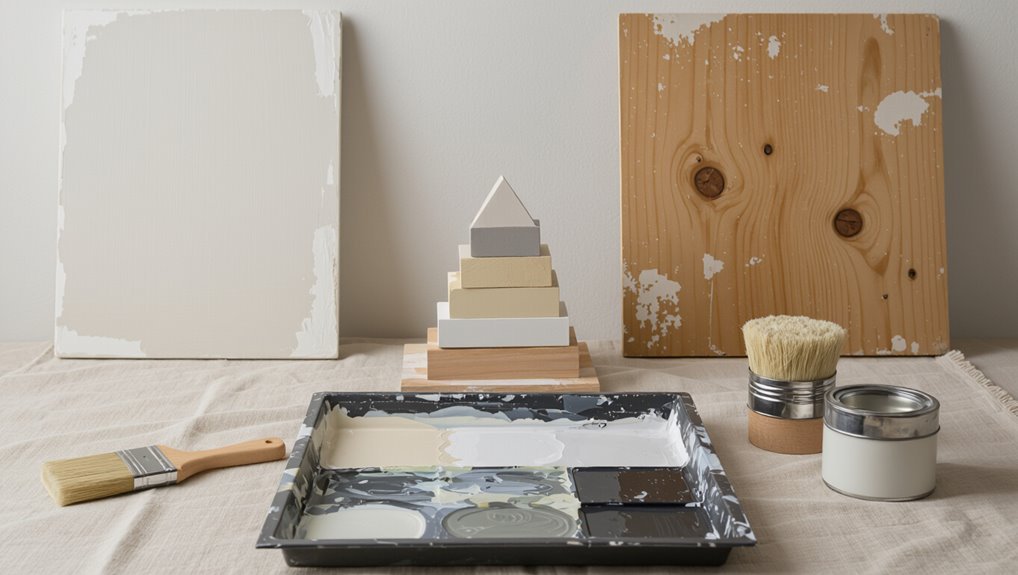
Wondering whether you need primer? Use a quick decision framework: assess surface condition, stain presence, color change, and material.
If you face stains, porous surfaces, or drastic color shifts, primer benefits include adhesion, stain blocking, and uniform coverage.
Match primer types to task—stain-blocking, bonding, or tinted—so you pick efficiently and avoid wasted coats or poor finish.
Do You Have to Prime Before Painting?
Do you always need to prime before painting? You usually should when surfaces are porous, stained, or changing sheen; primer benefits include adhesion and coverage. Choose primer types based on substrate and paint.
| Situation | Recommended |
|---|---|
| New drywall | Alkyd or latex primer |
| Stained wood | Stain-blocking primer |
| Glossy surfaces | Bonding primer |
When It’s Safe to Skip Primer : Checklist & Risks
You can skip primer when the surface is clean, smooth, and already close to the color you’re repainting.
Make sure the room gets light use—low-traffic areas like guest rooms or closets are better candidates.
Be aware that skipping primer raises the risk of poor adhesion, uneven coverage, or stains bleeding through.
Clean, Smooth Surface
If the surface is clean and smooth, you can often skip primer—provided the existing finish is sound, free of stains, and the material is compatible with the paint you plan to use.
You should still inspect for surface imperfections and repair them; even small flaws hurt paint adhesion.
Light sanding and cleaning guarantee the new coat bonds properly, reducing peeling and uneven coverage.
Matching Existing Paint
Once you’ve confirmed the surface is clean and smooth, check whether the new paint will match the existing color and sheens before skipping primer.
If you’re unsure, primer helps with color matching and adhesion.
Consider these quick checks:
- Test a small patch for color matching
- Compare gloss levels for finish compatibility
- Observe under natural light
- Allow full cure before final judgment
Low-Traffic Room Use
When repainting a low-traffic room, like a guest bedroom or home office, you can often skip primer—provided the walls are in good shape and you follow a checklist to minimize risks. You should inspect, clean, and spot-prime stains to protect paint longevity. Skip primer if color is similar and surface is sound; otherwise prime to avoid peeling.
| Checklist | Risk |
|---|---|
| Clean walls | Poor adhesion |
| Spot-prime stains | Bleed-through |
| Similar color | Uneven coverage |
| Sound surface | Shorter paint longevity |
When Primer Is Essential : Clear Indicators
Although you might want to skip it to save time, primer becomes essential whenever bare or patched surfaces, strong stains, high-contrast color changes, or glossy finishes are involved.
You’ll avoid problems by understanding primer benefits and busting primer myths. Check these clear indicators before painting:
- Bare drywall or plaster
- Water, smoke, or tannin stains
- Drastic color shift
- Glossy or previously sealed surfaces
How Primer Improves Adhesion and Durability
Because primer bonds to both your substrate and the paint, it creates a reliable bridge that helps paint stick evenly and resist peeling. This stronger bond also reduces the need for multiple coats and protects surfaces from wear, moisture, and environmental damage.
You’ll notice adhesion benefits immediately and enjoy durability enhancements over time, since primer minimizes micro-movement, improves coverage, and prevents premature paint failure.
How Primer Hides Stains, Tannins, and Odors
Besides bonding paint and substrate, primer also stops visible problems from bleeding through your finish.
You choose a stain blocking primer to lock tannins, water stains, and smoke, then seal odors so new paint stays clean and neutral.
Use appropriate products for heavy contamination; test first.
- Tannin stains
- Water marks
- Smoke discoloration
- Musty odors
Priming New Drywall and Repaired Drywall
New drywall and patched areas need a coat of primer before paint so the surface absorbs evenly and the finish looks consistent.
You should seal joint compound and bare gypsum to prevent blotchy drywall texture and uneven sheen. A proper primer application evens porosity, hides repair edges, and helps topcoat adhesion.
Choose a drywall-specific or all-purpose primer and apply per label for best results.
Priming Old Painted Walls: Sanding vs. Spot-Priming
When you’re revitalizing a room with existing paint, decide whether to sand the whole surface or just spot-prime trouble spots based on the wall’s condition and the paint type. Sanding smooths gloss and surface defects for a uniform finish, while spot-priming repairs isolated stains, bare patches, or adhesion failures without the extra work.
- Assess adhesion and gloss using simple sanding techniques
- Spot priming benefits: stain blocking, targeted repair
- Sand glossy or uneven areas for uniform texture
- Spot-prime small stains, patched drywall, or peeled spots
Priming Bare Wood, Knotty Pine, and Treated Lumber
Moving from repainting walls to fresh wood surfaces brings different challenges: bare wood, knotty pine, and pressure-treated lumber each absorb and release moisture, tannins, and resins that can stain or prevent paint from adhering.
You should always prime bare wood and knotty pine with a stain-blocking, oil-based or shellac-based primer; use a specialized primer for treated lumber to seal and promote adhesion before painting.
Priming Metal, Galvanized Surfaces, and Rusted Steel
If metal’s exposed or has any corrosion, you should prime it to guarantee paint bonds and to stop future rust from spreading. Bare steel, galvanized metal, and rusted surfaces each need different prep and primer choices to get lasting results.
- Clean and de-grease for proper metal preparation and surface adhesion.
- Remove loose rust; use rust converter if needed for rust prevention.
- Choose primers for coating compatibility with topcoat.
- Sand and recoat per manufacturer instructions.
Priming Plaster, Limewash, and Textured Walls
Metal surfaces need their own prep and primer choices, and plaster, limewash, and textured walls bring a different set of concerns you should address before painting.
You’ll test plaster textures for dust and adhesion, seal porous limewash with appropriate primer after limewash application, and pick primers formulated for textured finishes.
Always confirm surface compatibility to avoid peeling, blotching, or uneven coverage.
Priming Over Glossy or Enamel Finishes: Prep & Primer Choice
Wondering how to get primer to stick to glossy or enamel finishes? You’ll need proper prep to guarantee adhesion and a smooth topcoat. Follow these steps:
- Clean glossy surfaces thoroughly to remove grease and wax.
- Lightly scuff with fine sandpaper or abrasive pad.
- Wipe away dust with a damp cloth.
- Use a primer designed for slick surfaces to bond well.
Choosing the Right Primer Type: Latex, Oil, Shellac, Bonding
Now that you’ve prepped glossy or enamel surfaces for adhesion, pick a primer that matches the substrate and topcoat. Consider latex vs. oil for flexibility or stain blocking; note shellac benefits for odor and stain sealing; use bonding primer on slick surfaces. Match for surface compatibility and topcoat type to avoid failures.
| Type | Strength | Best Use |
|---|---|---|
| Latex | Flexibility | Drywalls |
| Oil | Stain block | Wood trim |
| Shellac | Fast seal | Water stains |
| Bonding | Adhesion | Glossy surfaces |
Tinting Primer: When It Boosts Coverage and Color Fidelity
When should you tint a primer? Tinting primer helps when you want faster full coverage and better color enhancement, saving coats and revealing true finish.
Consider these tinting benefits:
- When switching from dark to light hues
- To match mid-tones for even coverage
- For slightly saturated colors to pop
- When the topcoat is translucent or vivid
Humidity & Temperature: Priming Tips for Conditions
If you’re priming in high humidity or extreme temperatures, adjust your approach to guarantee proper adhesion and drying—humidity slows cure times and cold can prevent primers from forming a durable film. You should monitor humidity effects and follow temperature considerations: delay priming in extremes, use fast-dry primers, and control environment with fans or heaters.
| Condition | Risk | Tip |
|---|---|---|
| High humidity | Slow cure | Use fast-dry |
| Low temp | Poor film | Warm space |
| Rapid change | Blistering | Stabilize air |
When Primer Saves Time and Money (Cost vs. Lifespan)
Controlling humidity and temperature keeps primers working right, but thinking about primer use should also include the long-term costs and benefits.
Controlling humidity and temperature ensures primer performance—remember to weigh its long-term savings and benefits.
You’ll find primer often increases cost effectiveness by extending paint lifespan and reducing repaint frequency, so you save time and money overall.
- Fewer repaints over years
- Better adhesion, less patching
- Faster topcoat application
- Lower cumulative material costs
Top 10 Priming Mistakes and How to Avoid Them
Before you paint, make sure your surface prep is thorough—skipping cleaning or sanding will ruin adhesion.
Picking the wrong primer for your substrate or finish can cause peeling, stains, or poor coverage.
In the next section you’ll learn the top mistakes and simple fixes so your paint job lasts.
Surface Prep Errors
Everyone makes prep mistakes, but skipping proper surface prep before priming will cost you time and lead to poor adhesion, visible imperfections, or premature peeling.
You need solid surface preparation because primer importance isn’t optional; it bonds, seals, and hides flaws. Fix issues before priming to avoid rework.
- Clean debris and grease
- Sand glossy spots
- Repair cracks and holes
- Remove loose paint
Wrong Primer Choice
While picking a primer might seem like a minor step, choosing the wrong one can ruin your paint job by preventing adhesion, causing staining to bleed through, or creating finish incompatibilities.
You should match primer types to surface and topcoat—oil, acrylic, shellac—check manufacturer specs, and adapt application techniques for porosity and temperature.
Test a small area to confirm compatibility before committing.
Tools, Products, and Pro Tips for Efficient Priming
One set of right tools and the right primers will save you time and give you a professional finish, so gather a quality brush or roller, a sanding block, tack cloth, painter’s tape, drop cloths, and a dependable primer suited to your surface; for metal or bare wood pick a bonding or stain-blocking primer, for drywall use a high-hide latex primer, and for oil-based paints choose either an oil or an oil-alkyd primer recommended by the manufacturer.
Gather quality tools and the right primer—bonding for metal/wood, high-hide for drywall, oil/alkyd for oil paints.
- Use essential priming tools for prep
- Sand, clean, and dust with tack cloth
- Apply thin coats using primer application techniques
- Follow dry times and sand between coats
Frequently Asked Questions
Can Primer Cause Peeling if Used Over Failing Paint?
Yes — if you apply primer over failing paint, you’ll often cause peeling paint to persist or worsen; proper primer application needs solid, clean surfaces, so you should remove loose paint and repair substrates before priming to prevent failure.
Can I Prime and Paint in One Day for Fast-Turnaround Projects?
Yes — you can, if you use fast drying options and proper painting techniques: sand, clean, apply quick-dry primer, wait manufacturer’s recoat time, then paint; you’ll speed turnaround but won’t skip proper surface prep.
Does Primer Add Measurable Insulating or Soundproofing Value?
No, primer won’t add measurable insulating properties or significant soundproofing effectiveness; you’ll get minimal thermal or acoustic benefit. Use specialized insulating paints or dedicated insulation and acoustic materials for real performance improvements.
Can Primer Be Applied Over Mold-Remediated Surfaces Safely?
Absolutely — you can: after thorough surface preparation and confirmed mold removal, apply a mold-resistant primer to sealed, dry areas; you’ll reduce recurrence risk and guarantee paint adhesion while protecting treated surfaces long-term.
Are Low-Voc Primers as Durable as Traditional Formulations?
Yes — you’ll find low-VOC primers offer many low voc benefits, and in a durability comparison they often match traditional formulations for most interior jobs, though high-traffic or exterior situations may still favor stronger chemistry.
Conclusion
You don’t always have to prime, but when surfaces are raw, stained, glossy, or changing color, primer’s your insurance policy — don’t skip it. Follow the quick checklist, mind humidity and temperature, and avoid common mistakes to save time and money long-term. Think of primer as the unseen roots that let your paint bloom; invest a little prep now and your finish will stay beautiful and strong for years.
