
Can You Apply Polyurethane Over Latex Paint? Full Guide
Yes — you can apply polyurethane over fully cured latex paint to protect and harden the finish, but you’ll need to prep properly first. Clean the surface, scuff or lightly sand glossy areas, remove dust, and test a small patch for adhesion. Choose water‑ or oil‑based poly based on durability and yellowing, apply thin coats, sand between layers, and allow proper drying and curing times. Keep going to learn specific timing, troubleshooting, and best practices.
Can You Put Polyurethane Over Latex Paint? (Quick Answer + Checklist)
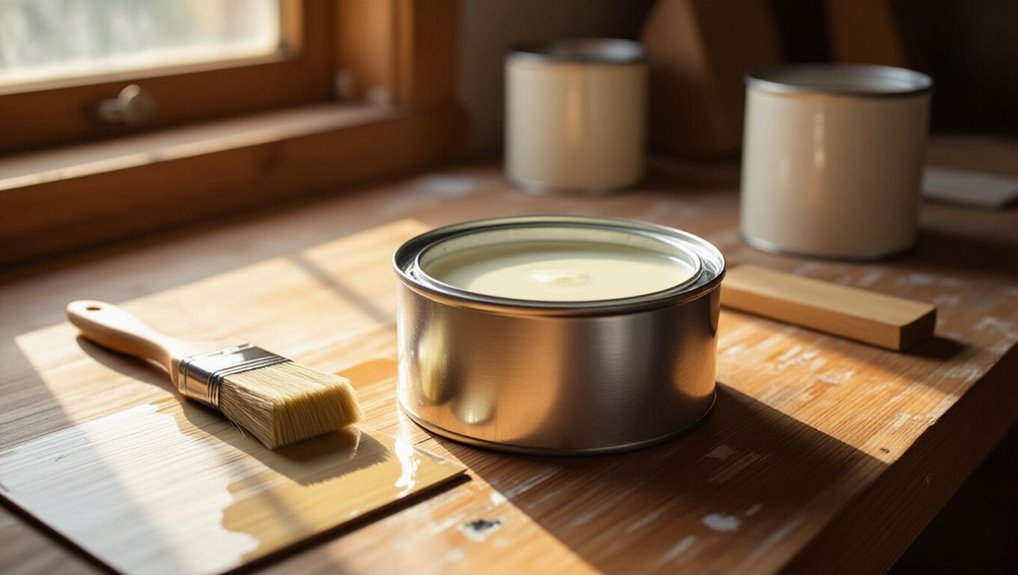
Wondering if you can put polyurethane over latex paint? Yes—you can, and it protects finishes while preserving latex paint benefits like quick drying and easy cleanup.
Before you start, check surface cleanliness, adhesion, and full paint cure.
Pick compatible polyurethane types (water‑based for clarity, oil‑based for durability).
Test a small area first, and follow product instructions for best results.
Quick Step‑by‑Step: Seal Latex Paint in 5 Actions
Start by sanding, cleaning, and repairing the painted surface so the polyurethane will bond properly.
Then pick the right polyurethane (water- or oil-based), use thin even coats, and sand lightly between coats for a smooth finish.
Follow drying times and ventilation guidelines to avoid tackiness and guarantee durability.
Surface Preparation Steps
Before you seal latex paint with polyurethane, make the surface clean, dry, and smooth so the finish bonds properly.
Start with surface cleaning: remove dust, grease, and loose flakes using mild detergent and a lint‑free cloth.
Sand lightly to dull glossy areas, then wipe residue.
Perform adhesion testing with a small polyurethane patch; if it lifts, sand more and retest before sealing.
Polyurethane Application Tips
Once you’ve prepped the surface and confirmed adhesion, you can seal latex paint with polyurethane in five straightforward actions:
1) sand lightly between coats,
2) remove dust,
3) choose product recommendations suitable for latex,
4) apply thin, even coats with a high‑quality brush or foam applicator, and
5) allow proper dry times.
These application techniques prevent bubbles, runs, and adhesion issues.
How Long Must Latex Paint Cure Before You Seal It?
You should let latex paint cure fully before applying polyurethane so the finish adheres and avoids bubbling or peeling; typically wait 7–30 days depending on humidity, temperature, and product labels.
Consider these sealing techniques and cure time tips:
- Wait at least 7 days for light traffic surfaces.
- Extend to 14–30 days for heavy use or cooler, humid conditions.
- Test a small area before full sealing.
Water‑Based vs Oil‑Based Polyurethane: Which to Use
When choosing between water‑ and oil‑based polyurethane, you’ll weigh oil’s superior durability against water‑based options’ faster drying.
You should also consider that oil formulas tend to yellow over time while water‑based finishes stay clearer.
Think about the surface use and desired clarity to pick the right balance.
Oil Durability Vs Water
Although both water‑ and oil‑based polyurethanes protect painted surfaces, they differ in durability, yellowing, drying time, and ease of use—so pick the one that matches your project priorities.
You’ll weigh oil longevity against water resistance and appearance. Consider:
- Oil: stronger abrasion resistance, better oil longevity.
- Water: superior water resistance, clearer finish.
Choose by traffic and look.
Drying Time Differences
Because drying time affects how fast you can recoat and return a surface to use, you should pick the type of polyurethane that matches your schedule: you’ll favor water‑based for quick drying and oil‑based for longer open time. Consider drying methods and environmental factors when planning.
| Feeling | Speed | Choice |
|---|---|---|
| Relief | Fast | Water |
| Patience | Slow | Oil |
| Confidence | Planned | Match factors |
Yellowing And Clarity
If you care about keeping paint colors true, choose your polyurethane based on how it affects clarity: water‑based poly stays clear and resists yellowing, while oil‑based finishes develop a warm amber cast over time that can alter lighter or cool-toned latex paints.
Use water‑based for clarity maintenance and yellowing prevention.
- Water‑based: clear, non‑ambering
- Oil‑based: warms color
- Test first on scrap
How to Check Adhesion, Gloss, Age, and Contamination
Before you brush on any polyurethane, take a few minutes to inspect the latex surface for adhesion, gloss level, age, and contamination so you know whether it’ll bond and look right. Do adhesion testing (tape or scratch), note gloss inconsistencies, estimate age, and scan for contamination sources like oils or dust.
| Test | Indicator | Action |
|---|---|---|
| Tape | Lifted paint | Recoat or sand |
| Gloss | Dull/patchy | Light sanding |
Clean the Surface: Removing Grease, Dust, and Residues
Start by wiping the whole surface with a microfiber cloth dampened in warm, soapy water to remove dust and light grime. Then follow with a degreaser or a trisodium phosphate (TSP) solution on any greasy or kitchen-stained areas to guarantee the polyurethane will bond properly.
Wipe surfaces with a damp microfiber cloth, then degrease greasy areas with TSP for proper polyurethane adhesion.
You should:
- Rinse and dry completely after surface cleaning to prevent residue removal issues.
- Use a lint-free cloth for final wipe.
- Inspect for remaining grease before priming.
Sand for Adhesion: How Much and What Grit to Use
You’ll want to sand the latex paint lightly to give the polyurethane something to bite into, choosing grit based on how glossy or rough the surface already is.
Start with 220–320 grit for a smooth sheen, or 120–150 if you need to remove bumps or old finish, and use even, light strokes so you don’t cut through the paint.
Aim to scuff the surface—not strip it—so the polyurethane adheres without exposing bare substrate.
Sanding Grit Selection
Choosing the right sanding grit matters because it determines how well polyurethane will bond to latex paint and how much of the existing finish you’ll remove.
You’ll use sanding techniques and a grit progression to avoid over-sanding. Consider:
- 220–320 for light scuffing and adhesion
- 120–180 to remove rough spots or gloss
- 400+ between coats for smooth finish
Sanding Technique Tips
Prep the surface with firm, even strokes so the latex paint is just dulled enough for polyurethane to bite—usually a light scuff with 220–320 grit across the whole area, touching up rough spots with 120–180 grit and reserving 400+ grit only for between coats.
Use consistent pressure, sand with the grain, and clean dust between passes.
These sanding techniques and grit selection guarantee reliable adhesion.
Surface Prep Depth
Now that the surface is scuffed and dust-free, decide how deep to sand for proper adhesion based on the paint’s condition and the look you want.
Choose grit and depth to balance surface compatibility and paint adhesion.
- Smooth latex: 220–320 grit for light scuffing.
- Worn or glossy paint: 120–180 grit to remove sheen.
- Raw wood or heavy flaws: 80–120 grit, then refine.
Primer or Deglosser: When and How to Use Them
While you can sometimes skip a primer, using either a bonding primer or a liquid deglosser will make your polyurethane adhere far better to latex paint—so you’ll get a tougher, longer-lasting finish with less risk of peeling or blotching.
Choose primer types for porous or glossy surfaces; sand lightly, wipe clean, or follow deglosser application instructions. Let dry fully before polyurethane.
Brushing, Rolling, or Spraying Polyurethane: Pros and Tips
Choosing between brushing, rolling, or spraying polyurethane depends on the project size, desired finish, and your comfort with tools, so match the method to the surface and the look you want.
Use proper brushing techniques to avoid streaks, rolling methods for smooth coverage, and spraying tips for fast, even coats.
Watch for common application challenges:
- Brushing techniques: angled, light strokes
- Rolling methods: foam for minimal texture
- Spraying tips: thin passes, mask area
Drying, Recoat Windows, and Full Cure Times to Expect
Because polyurethane chemistry and environmental conditions both affect how quickly coats dry, you should plan recoat windows and full cure times rather than assume a one-size-fits-all schedule.
Use proper drying techniques: thin coats, good ventilation, moderate temperature and humidity.
Thin coats, good ventilation, and moderate temperature and humidity ensure faster, more even polyurethane drying.
Check tackiness before recoating; oil- and water-based polyurethanes differ.
Consider curing factors—temperature, humidity, coat thickness—when estimating light use and full cure timelines.
Fixing Problems: Bubbles, Peeling, Clouding, and Streaks
Troubleshoot problems quickly to keep a polyurethane finish looking professional: bubbles, peeling, clouding, and streaks each have distinct causes and fixes, and addressing them early usually prevents more extensive prep work.
Follow targeted steps:
- Sand and recoil to handle bubbles prevention and reduce trapped air.
- Clean, scuff, and prime for peeling solutions.
- Wipe contaminants and control humidity to tackle clouding causes and streaks remedies.
Polyurethane Over Latex Paint – Special Cases: Furniture, Cabinets, Trim
When you’re refinishing furniture, cabinets, or trim, applying polyurethane over latex paint calls for slightly different prep and product choices than a basic wall job. Sand, degrease, and pick a satin or oil-based poly for high-traffic furniture finishes and cabinet protection.
| Item | Prep | Poly Type |
|---|---|---|
| Table | Sand | Oil |
| Cabinet | Degrease | Satin |
| Trim | Light scuff | Water |
Care and Maintenance for Surfaces Sealed With Polyurethane Over Latex Paint
If you want your polyurethane-sealed latex surfaces to stay durable and attractive, follow a simple routine: clean gently, avoid harsh chemicals, and protect against scratches and heat.
Use these maintenance tips to guarantee surface longevity:
- Wipe spills with a soft, damp cloth; dry promptly.
- Use felt pads under objects to prevent scratches.
- Avoid placing hot items directly on the finish.
Frequently Asked Questions
Can Polyurethane Yellow Over White Latex Paint Long-Term?
Yes — it can, but it won’t miraculously stay pristine forever; over years oil-based polyurethane may yellow, affecting long term durability and paint compatibility, so you’ll choose water-based polyurethane to preserve white latex longer.
Can I Apply Polyurethane Outdoors on Latex-Painted Siding?
Yes, you can apply polyurethane outdoors on latex-painted siding, but you’ll need proper prep. Sand, clean, use exterior polyurethane for siding durability and improved weather resistance, and expect periodic reapplication to maintain protection.
Will Polyurethane Trap Lead Paint Under Old Latex Layers?
Yes — if lead paint exists beneath latex layers, applying polyurethane will trap those layers and seal the lead in place, so you’ll encapsulate the hazard rather than remove it; testing and proper abatement are still recommended.
Can I Tint Polyurethane to Alter Sheen or Color?
Yes—you can tint polyurethane to alter sheen or color. You’ll use compatible tinting techniques, adding universal or oil-based colorants sparingly; testing verifies desired sheen variations and avoids cloudiness or compromised drying and durability.
Does Polyurethane Affect Fire Resistance of Latex-Painted Surfaces?
Polyurethane won’t notably improve fire resistance; it’s primarily for surface durability and scratch protection. You’ll get better wear resistance, but you shouldn’t rely on polyurethane to make latex-painted surfaces fireproof or flame-retardant.
Conclusion
You can seal latex paint with polyurethane, but you’ve got to do it right: wait for full cure, sand lightly, clean, and choose the compatible poly type. Think of the process like tuning a guitar—small adjustments make a big difference in the final tone. Follow proper prep, test first, and apply thin, even coats with adequate drying time. Do that, and your finish will stay durable, clear, and long‑lasting.
