
Can You Wallpaper Over Painted Walls? What You Should Know
Yes — you can wallpaper over painted walls if the paint’s clean, dry, well-bonded, and matte or lightly satin; glossy, peeling, chalky, or powdery finishes will prevent good adhesion and cause bubbles. Clean, sand, spot-prime or skim to smooth imperfections, then match primer and paste to the wallpaper type and test a small area first. New paint must be fully cured. Follow prep and adhesive advice for best results, and keep going to learn practical tests and tips.
Can You Wallpaper Over Painted Walls?
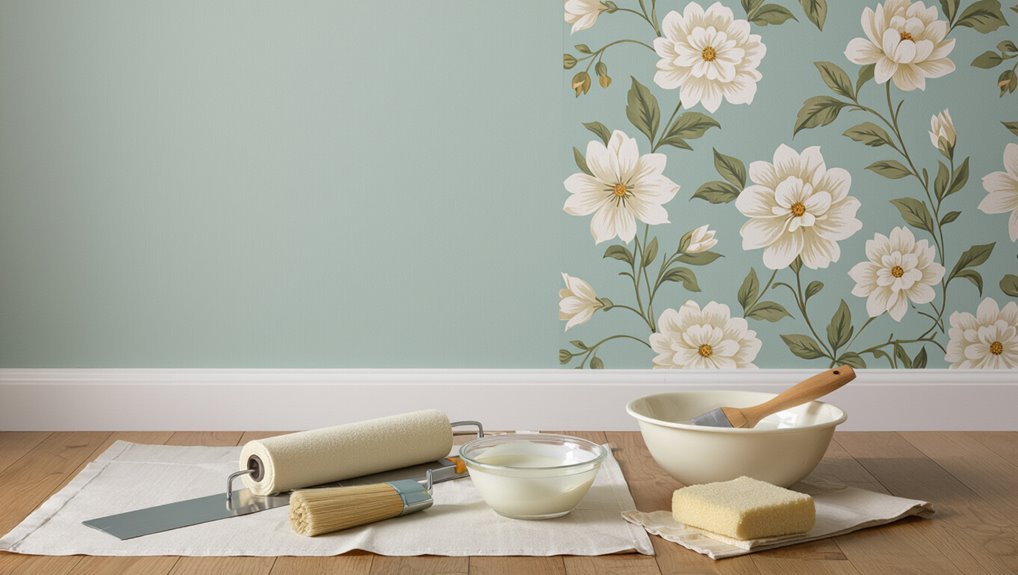
Can you wallpaper over painted walls? You can, but success hinges on paint adhesion and wallpaper durability.
If paint’s well-bonded and smooth, you’ll get a long-lasting finish; peeling or glossy paint reduces adhesion and risks bubbles.
Prep by cleaning, sanding, and priming where needed so the wallpaper’s adhesive can grip properly and the durability of the installation won’t be compromised.
Quick Yes/No: When It Works and When It Won’t
1 quick check: it works when the paint is clean, dry, well-bonded, and matte or lightly satin; it won’t when the paint is peeling, glossy, or powdery. You’ll assess wallpaper adhesion and paint compatibility before starting.
| Condition | Effect | Action |
|---|---|---|
| Matte/clean | Good | Proceed |
| Glossy/peeling | Poor | Prep or strip |
Which Paint Types Let Wallpaper Stick
If your goal is reliable wallpaper adhesion, choose flat (matte) latex or alkyd paints—those provide a slightly porous, well-bonded surface that paste can grip.
You’ll want surfaces with good paint adhesion and proven wallpaper compatibility. Avoid glossy or chalky finishes; test small areas first.
- Flat latex: strong grip
- Alkyd: durable surface
- Properly cleaned satin: acceptable
New vs. Cured Paint: What Matters
If you’ve just painted, wait until the finish fully cures before hanging wallpaper to avoid adhesion problems.
Remember oil-based and latex paints behave differently—oil can stay tacky longer and may need sanding or a bonding primer, while latex usually cures faster.
Also consider whether a primer is needed to create a stable, uniform surface for the wallpaper adhesive.
Fresh Paint Needs Time
Because paint keeps changing after it looks dry, you shouldn’t rush to hang wallpaper over a freshly painted wall—new paint may feel dry to the touch but hasn’t fully cured.
That incomplete curing can trap solvents or release oils that prevent adhesive from bonding properly. Wait for full paint drying to guarantee stable wall conditions.
- Check cure time on the can
- Test with tape before pasting
- Confirm clean, dust-free surface
Oil Vs. Latex Paint
When you’re deciding whether to hang wallpaper, know that oil and latex paints behave very differently when new and after curing: oil-based paints stay tacky longer and can release solvents that stop adhesive from sticking, while latex dries faster but may still off-gas or hold residues that interfere with paste until fully cured.
Check paint type; oil paint often needs much longer cure time than latex paint before paper goes up.
Surface Primer Considerations
Although cured paint can offer a stable base, what really matters for wallpaper success is whether the surface has been primed correctly for the type of adhesive you’ll use.
You’ll choose primer types based on adhesion and porosity, and follow proper primer application to promote bond and prevent bubbling.
- Test adhesion on a small area
- Match primer to adhesive
- Allow full cure before hanging
Test Painted Walls for Wallpaper Readiness
Before you hang a single strip, inspect the painted surface to make sure it can hold wallpaper — look for peeling, bubbling, gloss, or loose paint, and press a fingernail into suspect areas to test adhesion. Use simple test methods to assess wall conditions and note spots needing prep.
| Test | Result |
|---|---|
| Fingernail | Adhesion check |
| Tape | Peel test |
| Moisture meter | Dampness |
| Visual | Finish level |
Common Surface Problems That Ruin Adhesion
Now that you’ve checked adhesion with a fingernail, tape, moisture meter, and a visual sweep, watch for specific surface issues that will stop wallpaper from sticking.
You’ll spot adhesion issues tied to surface texture and contaminants. Address these before papering.
Common culprits include:
Common culprits include grease, dirt, mildew, powdery or peeling surfaces, and high moisture or efflorescence.
- Grease, dirt, or mildew residue
- Rough, powdery, or peeling texture
- High moisture or efflorescence
Remove Loose or Flaking Paint Safely
Start by scraping all loose or flaking paint until you reach a solid edge you can feel with your fingernail; leaving feathered or brittle edges will let new wallpaper follow the old paint and fail.
Use safe paint removal techniques—scrapers, chemical strippers rated for indoor use, or heat tools with caution.
Clean debris, treat remaining spots with primer, and consider professional flaking paint solutions for extensive areas.
When and How to Sand Before Hanging Paper
Once you’ve removed loose paint and sealed any problem spots, you’ll often need to sand to create a smooth, uniform surface that lets wallpaper adhere properly.
You’ll use gentle sanding techniques to dull glossy finishes and feather edges; focus on surface preparation to avoid bumps. Clean dust after sanding, then inspect for imperfections.
- Use 120–220 grit
- Sand edges featheringly
- Wipe with tack cloth
Clean Painted Walls for a Strong Glue Bond
Before you apply paste, give painted walls a thorough cleaning so glue can stick properly; even small amounts of dust, grease, or soap film will break the bond.
Use gentle cleaning methods: a mixture of mild detergent and water, rinse with clean water, and dry completely.
Clean painted walls gently with mild detergent and water, rinse thoroughly, and dry completely before pasting.
Remove stubborn grime with trisodium phosphate alternatives.
Proper wall preparation guarantees consistent adhesion and prevents bubbling or peeling once paper’s applied.
Primers That Improve Wallpaper Success
If your painted walls are porous, glossy, or unevenly toned, applying a primer designed for wallpaper will give you a uniformly absorbent surface and stronger paste adhesion.
You’ll reduce soak-in issues and improve adhesion factors while prepping for wallpaper.
Consider primer types that seal, equalize, or promote stick.
- Sealing primers
- Bonding primers
- Acrylic/stain-blocking primers
Choose the Right Primer for Painted Surfaces
Having picked a primer type that addresses sealing, bonding, or stain-blocking, you’ll next match the primer to the specific painted surface you’re covering.
Assess gloss level, porosity, and previous paint condition. Select from primer types formulated for slick, glossy, or chalky finishes to improve surface adhesion.
Apply per instructions, sanding or scuffing first if needed, and allow full cure before hanging wallpaper.
Which Adhesives Work Over Paint
You’ll want to check an adhesive compatibility chart to match your wallpaper type with adhesives that stick to painted surfaces.
Keep in mind that the primer you chose can affect which adhesives bond best, so note any manufacturer recommendations.
If you’re unsure, test a small patch to confirm adhesion before doing the whole wall.
Adhesive Compatibility Chart
When you’re choosing wallpaper adhesive for painted walls, matching the glue to the paint type makes the difference between a lasting bond and bubbling, peeling seams.
Use this quick compatibility chart to pair adhesive types with common wallpaper materials so you can pick confidently.
- Acrylic paste: vinyl, non-woven
- Methylcellulose: lightweight paper, grasscloth
- Heavy-duty vinyl adhesive: heavy vinyl, embossed wallpapers
Primer And Adhesive
Although paint type and sheen can change how a wallpaper adhesive grips, you can usually get reliable results by priming before you paste.
Choose primer types like alkyd, acrylic, or shellac-based primers to seal glossy or previously stained surfaces.
Match adhesive application to wallpaper weight and primer: heavy papers need stronger pastes; pre-pasted or strippable papers often work with standard adhesive.
Test small area first.
Match Adhesive to Wallpaper Type
Pick the right adhesive to make sure your wallpaper bonds securely and lasts.
You’ll match adhesive types to wallpaper textures and substrate—vinyl, non-woven, grasscloth all need specific formulas.
Test a small strip first. Consider moisture resistance and reposition time.
- Vinyl: heavy-duty, water-resistant adhesive
- Non-woven: standard ready-mix adhesive
- Natural textures: specialty paste for porosity
Paste-the-Wall vs. Paste-the-Paper: Workflow
After you’ve matched adhesive to the paper, decide whether you’ll paste the wall or paste the paper — each method changes your workflow and timing.
Pasting the wall speeds up alignment and boosts workflow efficiency for long runs, while pasting the paper lets you pre-soak heavy vinyl.
Choose based on room access, drying time, and preferred application techniques to minimize seams and repositioning.
Handling Textured Paint and Orange Peel
You’ll first assess the surface smoothness to see how pronounced the orange peel or texture is and whether it’ll telegraph through wallpaper.
If the texture is heavy, you’ll prep the wall with a skim coat or joint compound to create a flat substrate.
Finally, choose flexible adhesives and vinyl-backed papers that can tolerate slight imperfections without bubbling or splitting.
Assess Surface Smoothness
When you’re prepping a painted wall for wallpaper, start by checking how smooth the surface really is—textured finishes and orange peel can stop adhesive from bonding evenly and will telegraph through thin papers.
You should identify wall texture and surface imperfections, then decide if sanding, filling, or a heavier wallpaper is needed.
- Run your hand to feel bumps
- Hold a light at an angle
- Mark defects to fix
Prep With Skim Coat
Level the surface with a skim coat to hide orange peel or heavy texture so your wallpaper lays flat and the adhesive bonds evenly.
You’ll appreciate skim coat benefits like a uniform substrate and improved adhesion.
Use proper application techniques: mix thin, apply with a broad knife, feather edges, sand after curing, and wipe dust.
This prep prevents bubbles and pattern distortion.
Use Flexible Adhesives
Choose a flexible, high-tack wallpaper adhesive designed for textured surfaces so the paste can bridge small peaks and valleys in orange peel paint without cracking or letting seams lift.
You’ll get better wallpaper adhesion and avoid bubbles by using products emphasizing adhesive flexibility. Apply evenly, press seams, and allow proper cure time.
- Test a small area first
- Use a seam roller
- Follow manufacturer instructions
Can You Paper Over Semi-Gloss or Satin Paint?
Can you paper over semi-gloss or satin paint? You can, but semi gloss considerations matter: these finishes repel adhesive and may cause peeling.
If your satin finish is mildly glossy and well-bonded, wallpaper can adhere, yet you’ll need proper surface scuffing and the right adhesive.
Test a small area first to confirm adhesion before committing to full walls.
Prep and Seal Glossy Surfaces Before Papering
Before you hang wallpaper over glossy paint, clean the surface thoroughly to remove dust, grease, and residue so adhesive can bond.
Next, sand the gloss lightly to create tooth and wipe away the dust.
Finish with a quality primer-sealer coat to lock in the old paint and give the paper a stable base.
Clean Glossy Paint Thoroughly
If your walls have a glossy finish, you’ll need to remove surface shine and contaminants so wallpaper adhesive can bond properly.
You’ll clean to reveal true wall texture and guarantee the paint finish won’t repel paste. Use mild deglosser or trisodium phosphate, rinse well, and let dry completely.
- Wear gloves and ventilate
- Test a small area first
- Wipe with lint-free cloth
Sand To Create Tooth
After you’ve removed the shine and cleaned the wall, sand lightly to give the surface some tooth so adhesive can grip.
Use fine-grit sandpaper and hand-sanding or a sanding block for control. Focus on even abrasion without cutting into drywall.
Follow proper sanding techniques for consistent texture. This step in wall preparation improves wallpaper adhesion and reduces bubbling or peeling later.
Use Primer-Sealer Coat
1 simple coat of a quality primer-sealer will lock down glossy paint and create a uniform, porous surface so your wallpaper adhesive can bond reliably.
You’ll choose primer types based on surface and finish. The sealing benefits include better adhesion, stain blocking, and easier cleanup.
Apply evenly, let cure, then paper.
- Choose oil or latex primers
- Test adhesion patch
- Follow manufacturer cure time
Papering Over Latex vs. Oil-Based Paint
When you’re deciding whether to paper over latex or oil-based paint, know that the two surfaces demand different prep and adhesives; latex is porous and usually accepts wallpaper paste more readily, while oil-based paint can resist adhesion and often needs sanding or a primer before papering.
You’ll test latex adhesion, scuff and prime oil surfaces, and choose adhesives rated for painted walls.
Temperature, Humidity, and Drying Times
Before you hang wallpaper, make sure the paint is fully dry—latex can take a few days, while oil-based finishes may need a week or more.
Keep the room at a stable, moderate temperature and humidity to prevent adhesive failure and bubbling.
If conditions are damp or cold, wait longer or use a dehumidifier and heater to speed proper drying.
Drying Time Before Wallpaper
Although paint may feel dry to the touch within a few hours, you’ll need to account for full cure times that depend on temperature and humidity before hanging wallpaper.
Use proper drying techniques and monitor humidity effects to avoid adhesion issues. Wait recommended cure times on paint labels.
Consider:
- Measure surface dryness with a moisture meter.
- Improve air circulation for faster curing.
- Delay wallpapering after high humidity.
Room Temperature And Humidity
If you want wallpaper to stick and seams to stay flat, keep the room temperature steady and the humidity controlled, since both directly affect paint cure and adhesive performance.
You should monitor temperature effects on drying—avoid cold or hot spikes—and maintain consistent humidity levels (ideally 40–55%).
Wait longer if paint feels tacky; use dehumidifiers or heaters to stabilize conditions before hanging.
Align Seams and Hide Visible Ridges
When you hang wallpaper over painted walls, align seams precisely and press ridges flat as you go to prevent shadowing and a wavy finish. Use a plumb line to keep vertical seams straight, butt edges tightly, and a seam roller to compress any raised paint ridges so they don’t telegraph through the paper.
Prioritize seam alignment and ridge concealment to get a smooth, professional look.
- Check plumb lines regularly
- Butt edges, don’t overlap
- Roll seams outward from center
Prevent Bubbling and Edge Lifting
After you’ve aligned seams and smoothed ridges, focus on preventing bubbles and lifted edges before the adhesive sets.
Use a firm roller from center outward to expel air for effective bubbling prevention. Keep a damp sponge handy to soften stubborn spots, then press edges with a seam roller to stop edge lifting.
Work promptly, section by section, while adhesive remains tacky.
Repair Bubbles and Blisters After Hanging
If you find bubbles or blisters after hanging, first identify the cause—trapped air, moisture, or poor adhesion will guide your fix.
You can safely pop small air pockets with a pin and press the paper flat, then inject a little adhesive under larger blisters to reattach the backing.
Smooth the area with a clean roller or seam tool and wipe away excess glue so the repair blends seamlessly.
Identify Bubble Causes
Because bubbles and blisters can have several different causes, you’ll want to diagnose the problem before you start patching.
Check for paint surface issues, moisture, and application mistakes to prevent further bubble formation or adhesive failure.
- Poorly sealed or glossy paint
- High humidity or damp walls
- Incorrect paste mixing or uneven pressure
Safe Popping Techniques
Start by evaluating each bubble so you know which ones you can safely pop and which need more careful repair. Small, surface bubbles can usually be relieved without stripping the paper, while larger blisters or those caused by moisture or adhesive failure will need a different technique to prevent tearing or regrowth.
For safe installation, puncture tiny bubbles, smooth outward, and blot moisture to preserve wallpaper longevity.
Re-glue And Smooth
Assess each blister and choose the right repair: small surface bubbles can be re-glued and smoothed with minimal fuss, while larger blisters or wet-backed seams require careful lifting and fresh adhesive to avoid tearing or recurrence.
You’ll preserve surface adhesion and wallpaper durability by working carefully.
- Lift edges, inject adhesive, press smooth
- Wipe excess, use a seam roller
- Allow full cure before trimming
Remove Wallpaper From Painted Surfaces Later
When it’s time to remove wallpaper that’s been applied over painted walls, you’ll want to proceed carefully to avoid damaging the underlying paint. Use gentle wall removal techniques and paint preservation strategies: score minimally, apply remover sparingly, test a corner, peel slowly. If adhesive resists, soften with steam and reapply remover—always rinse and dry before repainting.
| Step | Action |
|---|---|
| 1 | Test corner |
| 2 | Score lightly |
| 3 | Apply remover |
| 4 | Peel slowly |
When Removal Will Damage the Underlying Paint
If you try pulling wallpaper and the paint flakes or peels with it, stop — removal will likely harm the finish beneath. You’ll risk wall damage and compromise paint integrity, especially over old or poorly bonded paint.
If paint peels when you pull wallpaper, stop — don’t proceed without testing and planning for repairs.
Consider repair needs before proceeding.
- Check adhesion and bubbling
- Test a small patch first
- Expect repainting or patching if paint lifts
Strip Wallpaper Without Stripping Paint
Before you start, prep the painted surface by cleaning it and protecting trim and floors so loose paste or water won’t damage the paint.
Work in small sections and use gentle removal tools and a low-moisture wallpaper remover to lift paper without pulling paint.
If a spot resists, soften it briefly and test again rather than forcing the paper off.
Prep Painted Surface
Start by clearing the room and protecting floors and trim with drop cloths and painter’s tape so you can work quickly and avoid accidental damage to paint you want to keep.
Check wall texture for repairs, sand glossy spots, and wipe with a damp cloth. Choose primer based on adhesive types and paint.
- Sand irregularities
- Clean grease and dust
- Spot-prime patched areas
Use Gentle Removal
When you need to remove wallpaper without damaging the paint beneath, work slowly and use the gentlest methods first: score sparingly, apply a low-moisture remover or steam at a distance, and peel a test strip to see how the paper and adhesive release.
Use gentle techniques and basic removal tools—plastic scrapers, soft cloths, and a spray bottle—to lift paper gradually, stopping if paint softens.
Choose Patterns That Hide Paint Flaws
If your painted walls have imperfections, pick wallpaper patterns that distract the eye and mask uneven surfaces—busy florals, small-scale geometrics, and textured designs work especially well because they break up visible brush strokes, color variations, and minor bumps.
For pattern selection, choose motifs and textures that conceal paint imperfections and draw attention away from flaws.
- Busy florals
- Small geometrics
- Raised texture
Estimate Cost and Time to Wallpaper Over Paint
Budgeting wallpapering over painted walls usually comes down to three factors: materials, prep, and labor.
You’ll want a clear cost breakdown—paper, adhesive, tools, and patching supplies—plus contingency for damaged paint.
Time estimates depend on room size and wall condition: a small room might take a day, average rooms two to three days.
Tidy-up and drying add extra hours.
When to Hire a Pro Instead of DIY
Knowing the costs and time involved helps you decide whether to tackle wallpapering yourself or call in help.
If walls are uneven, patterns must match precisely, or you’re short on time, get a professional consultation for wallpaper installation. A pro saves mistakes and time.
Consider:
- Complex patterns or trims
- Structural or prep issues
- Tight deadlines or large rooms
Common Mistakes People Make Wallpapering Over Paint
Don’t skip proper surface prep — if the wall’s dirty, chalky, or uneven, the paper won’t stick.
Make sure you know the paint type, because glossy or oil-based finishes need sanding or priming before wallpapering.
Fixing these issues up front saves you time and prevents peeling later.
Poor Surface Preparation
Skipping proper surface prep is the quickest way to doom a wallpaper job before it starts; you’ll regret ignoring bumps, grease, and loose paint.
Address surface imperfections and confirm paint compatibility first so adhesive bonds well. Do these steps before hanging:
- Clean and degrease thoroughly
- Sand and fill dents or bumps
- Prime or seal glossy paint for better adhesion
Ignoring Paint Type
If you hang wallpaper without checking the paint type, you can quickly end up with poor adhesion, bubbling, or peeling.
You should confirm paint compatibility before starting: glossy or oil-based paints repel paste, while flat latex accepts it better.
Also assess surface texture — heavy orange peel or stipple can telegraph through paper.
Sand, prime, or use a lining paper to guarantee a stable bond.
Quick Checklist: Ready to Wallpaper Over Painted Walls?
Before you unroll the paper, take a quick checklist to confirm the wall’s ready: it’s clean, dry, smooth, and free of flaking paint or mildew.
You’ll check paint adhesion, choose compatible wallpaper materials, and match adhesive types to the surface.
Follow this list before hanging:
- Test a small patch for adhesion and texture.
- Repair dents and sand glossy spots.
- Remove dust and grease thoroughly.
Frequently Asked Questions
Will Wallpapering Over Painted Wainscoting Require Special Trim Work?
Yes — you’ll need trim considerations: you’ll prep wainscoting preparation by removing or masking molding, sanding and priming surfaces, and planning wallpaper-to-trim changes so seams align, edges seal, and the finish looks professional and durable.
Can Wallpaper Adhesives Cause Paint Discoloration Over Time?
Yes — some adhesive types can discolor paint over time if you don’t check paint compatibility first. You should test adhesives on a hidden area, use low-residue pastes, and avoid solvent-based glues that lift or stain finishes.
How Do Baseboard Differences Affect Wallpaper Installation Height?
Bold baseboard boundaries boost your beginning: you’ll adjust installation techniques and height considerations so wallpaper meets or overlaps trim neatly. Measure carefully, trim or shim where needed, and you’ll guarantee seamless, stylish skirt-to-wall changes.
Are There Warranty Concerns When Wallpapering Over Newly Painted Walls?
Yes — you should check warranty limitations because some paint types, like fresh latex or low-VOC finishes, can void manufacturer guarantees; you’ll want written confirmation and proper curing time to avoid coverage disputes.
Can You Wallpaper Over Painted Walls With Mold or Mildew History?
Ever thought, can you trust covering past moisture problems? You can, but you’ll treat active mold first with proper mold treatment, guarantee surfaces are dry, and use mildew prevention measures so wallpaper won’t trap recurrence.
Conclusion
Yes—you can wallpaper over painted walls, provided the paint’s compatible and cured. Check for glossy finishes, loose flakes, or uneven texture; sand, prime, or skim as needed. Test a small patch with adhesive first. If the surface’s shaky or the job’s sizeable, seriously consider a pro. Save stress, sidestep soggy seams, and savor stunning style with simple steps and smart preparation. Ready, steady, renovate!
