
Does Painting Your House Exterior Actually Increase Its Value?
Yes—painting your house exterior can increase its value. You’ll boost curb appeal fast, which helps buyers and appraisers see the home as well cared for and lower-risk. New paint also protects siding and trim from moisture, fading, and rot, but only if you prep and repair damaged areas first. Smart color choices can make the home feel more inviting and move-in ready. If you plan timing and decide between DIY or hiring out, you’ll get the best payoff—so keep going to learn more.
Does Exterior House Painting Increase Home Value?
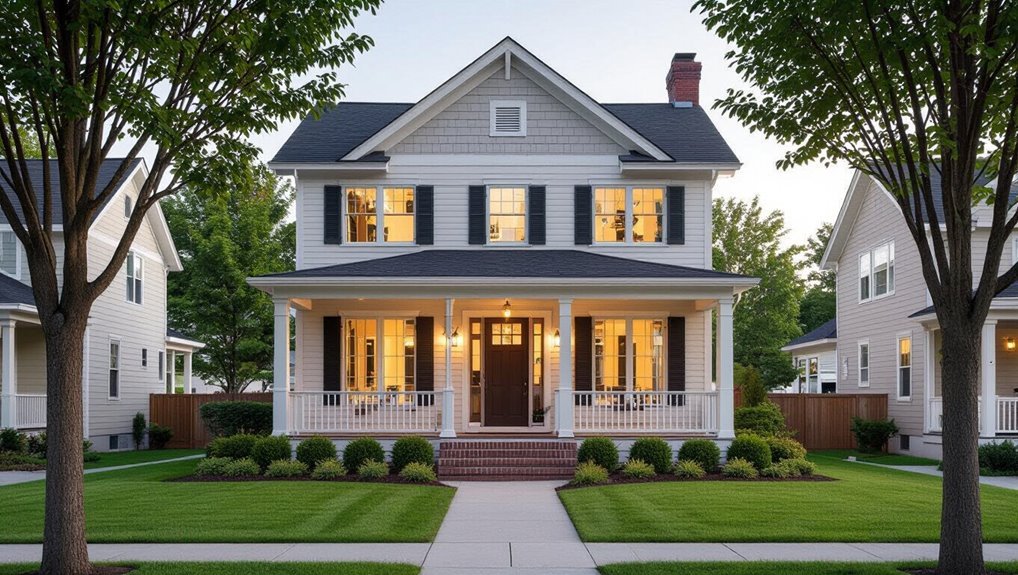
How much can a new coat of paint really boost your home’s value? You can often see stronger offers when you invest in exterior painting benefits like improved appearance, better protection, and reduced wear.
First impressions start before tours, but your payoff comes from maintenance. A well-applied, weather-resistant finish helps prevent moisture damage, rot, and fading, which supports long-term condition.
When appraisers review home value factors, they look at visible upkeep and system longevity. By updating outdated colors and revitalizing siding, you signal care and reduce perceived risk.
How Buyers Judge Curb Appeal After Painting
After the final coat dries, buyers start judging curb appeal the moment they pull up, and your paint job sets the tone for everything they think next. You watch for buyer perceptions: fresh, even coverage reads as cared-for, while drips or faded patches scream neglect.
Next, you align with aesthetic trends but still respect neighborhood standards; one bold shade can reduce trust. As you do market analysis, consider color psychology—cool grays and warm beiges often feel inviting.
Don’t ignore maintenance considerations; new paint should promise easier upkeep. Strong resale strategies depend on consistent trim and siding. Ultimately, you’re maximizing investment potential.
When Exterior Painting Is Worth The Investment
If you want better curb appeal and first impressions, exterior painting can be a quick win that helps buyers notice your home right away.
It also protects siding and trim from weather damage like sun, rain, and moisture.
And when you update the color for marketability, you make your property feel fresh and competitive without major renovations.
Curb Appeal And First Impressions
When you paint your home’s exterior, you don’t just change color—you shape the first impression people get before they even step on your porch. Strong curb appeal signals pride and fits neighborhood standards, boosting buyer psychology around value. You create a clear visual impact by revitalizing trim, doors, and siding tones that match seasonal trends. Even great landscaping can fall flat if paint looks dull or inconsistent; paint quality matters in how people judge maintenance perception. Use this map to decide what to update:
| Area | Goal | Result |
|---|---|---|
| Front door | Pop | Welcome |
| Trim | Crisp lines | Clean look |
| Siding | Even tone | Trust |
| Porch accents | Match style | Cohesion |
Protection From Weather Damage
Weather can beat your siding, trim, and doors long before you notice—sun fades color, rain drives moisture into seams, and freeze-thaw cycles expand small cracks.
If you want protection, you invest in the right exterior paint and weatherproofing techniques now. A fresh coat seals exposed wood, masonry, and trim, helping stop rot, peeling, and blistering. It also supports paint longevity by resisting UV and shedding water.
Use these practical steps:
- Caulk gaps around windows and trim
- Prime bare spots and stain-prone areas
- Choose exterior-grade, mildew-resistant coatings
- Maintain gutters and caulking yearly
Color Updates For Marketability
A smart exterior paint refresh can boost curb appeal and help your home sell faster—especially when the current color looks dated, faded, or mismatched.
You should follow color trends that feel fresh but not polarizing, since market appeal depends on broad buyer preferences. Choose inviting neutrals or balanced accents that match your roof, trim, and landscaping, because that aesthetic impact signals care.
If you’re repainting after long weather exposure, go two shades lighter or use matte finishes to reduce glare and make surfaces look clean.
When the palette feels current, you’ll attract more showings and stronger offers.
Siding Condition And Damage: Where ROI Starts
Siding condition often determines whether your exterior paint project earns a real return. Before you buy paint, you need to inspect for rot, warping, cracks, loose panels, and peeling caulk.
Siding condition often determines whether your exterior paint project earns real value—inspect for rot, warping, cracks, loose panels, and peeling caulk first.
If you skip siding maintenance now, moisture keeps moving behind the surface and your fresh coat won’t last. You also need to choose repair options that match the damage level: patch only, replace sections, or fully swap siding.
- Spot bubbling, soft spots, and missing fasteners
- Check seams, flashing, and trim for gaps
- Treat rusted nails and seal water paths
- Budget for localized replacements when needed
Color Choices And How They Change Perceived Value
Picking the right exterior color does more than refresh your curb appeal—it directly affects how buyers and neighbors read your home’s condition and value.
Use color psychology to guide perceptions: warm tones often feel inviting and well-kept, while stark whites can signal cleanliness but may expose imperfections.
Deep, saturated colors look premium, yet they can make a home feel smaller or draw attention to fading siding if not maintained.
You also need to account for trend influences; trending shades may feel current, but overly specific palettes can date faster.
Aim for balanced contrast and consistent trim for broad appeal.
Neighborhood And HOA Expectations For Exterior Paint
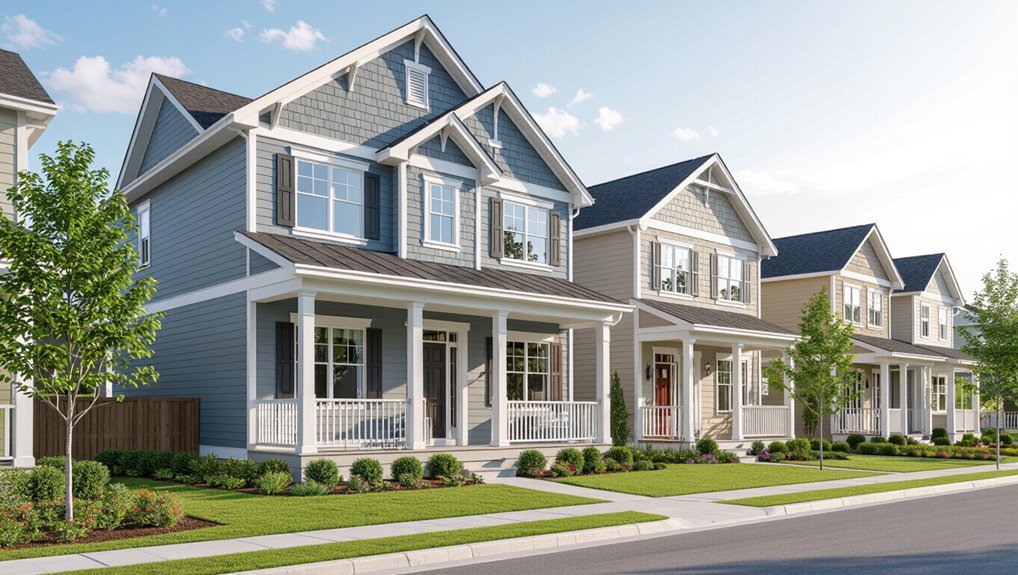
Neighborhood context and HOA rules can shape your exterior paint choices just as much as color psychology. You should check neighborhood standards and HOA guidelines before you buy samples, because approvals, deadlines, and palette limits can affect both cost and timing.
Before choosing exterior paint, review neighborhood standards and HOA guidelines for approvals, deadlines, and palette limits.
To avoid rework, review:
- Required paint finishes (matte vs. satin) and sheen levels
- Permitted colors, trim tones, and reference chips
- Application rules (primer coverage, prep steps, weather windows)
- Scheduling requirements for exterior work and inspections
When you follow the rules up front, you protect resale appeal and reduce the risk of complaints or mandated repainting.
Match The Paint Style To Your Home’s Architecture
You’ll get the best curb appeal when you match your trim and window details to the paint style of your home.
Choose a period-appropriate color palette that fits the era and proportions of your siding, shutters, and trim.
Before you buy paint, look at similar houses nearby and confirm your colors still look authentic.
Match Trim And Window Details
Matching trim and window details to your home’s architecture keeps the exterior looking intentional, not improvised. You should mirror trim styles with the existing framework so every edge looks planned, not patched.
When you match window accents, you guide the eye and reinforce architectural lines.
- Match trim profiles around doors, fascia, and corners.
- Use the same sheen on trim so it reads cohesive.
- Paint window sashes and frames in compatible tones.
- Verify caulking and reveals look crisp before color.
You’ll boost curb appeal by respecting proportions, materials, and character.
Choose Period-Appropriate Color Palette
Why guess at color when a period-appropriate palette can make your exterior look authentic from the street? Start by studying your home’s era and style—Victorian, Craftsman, Colonial—then choose shades that support historical accuracy. You’ll mirror what builders used, not what trends demand. Pay attention to regional influences too; coastal homes often favor softer, salt-touched tones, while inland areas lean richer pigments. Use a palette checklist before you buy paint:
| Style | Base Color | Accent Color |
|---|---|---|
| Colonial | Cream | Black |
| Craftsman | Earthy Tan | Dark Bronze |
| Victorian | Warm Brick | Deep Green |
| Bungalow | Sage | Charcoal |
How Long Exterior Paint Lasts (And Resale Timing)
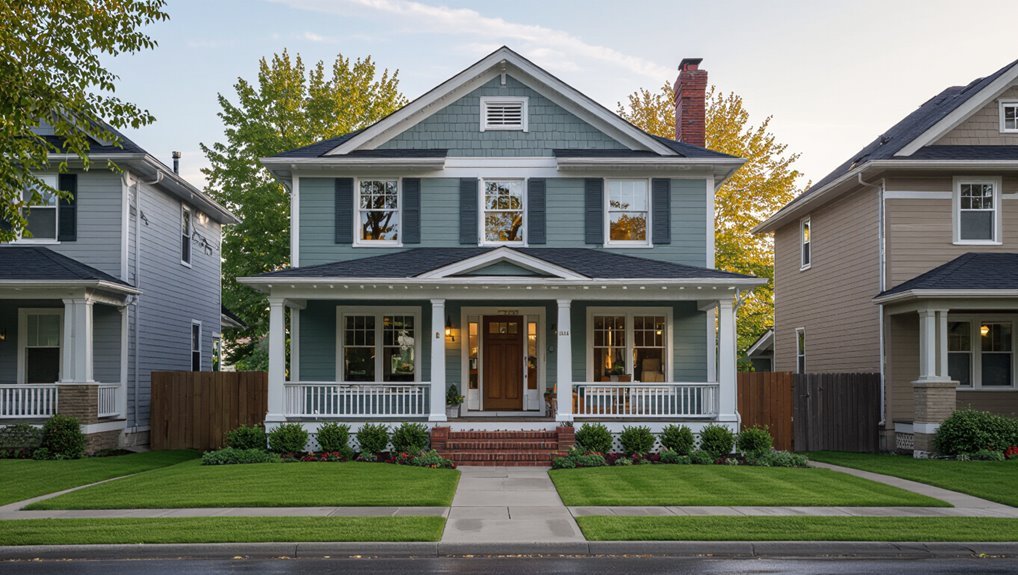
Exterior paint typically lasts about 5 to 10 years, but you’ll get the best mileage when surface prep and weather conditions align. Your paint lifespan depends on weather factors like sun, rain, and freeze-thaw cycles, plus how you match maintenance frequency to wear.
Exterior paint lasts about 5 to 10 years—best results depend on surface prep and weather, including sun, rain, and freeze-thaw cycles.
Watch for color fading, especially on south-facing walls. Use smart application techniques to reduce peeling and cracking.
- Schedule recoats before visible color fading
- Plan seasonal considerations to avoid extreme heat or rain
- Improve surface preparation for better adhesion
- Consider environmental impact when choosing low-VOC products
When you paint close to listing time, you’ll refresh curb appeal without overpaying.
Prep And Repair Costs That Affect Your Return
Before you spend on new paint, plan for the repair work that protects your investment, because prep costs often make or break your return.
Start by inspecting siding, trim, and caulk lines for rot, cracks, and peeling. You’ll save money by buying the right prep materials early and avoiding mid-project trips.
Replace damaged wood, then scrape loose paint and sand surfaces to create adhesion. Use repair techniques like spot priming, patching, and sealing around windows to prevent future moisture.
If you ignore minor defects, you’ll pay twice when stains return, bubbles form, or the finish fails early.
Plan A Repaint For The Best Selling Season
Now that your prep work is lined up, you can plan the repaint around the best selling season—because timing affects curb appeal and drying quality.
Use spring timing to target milder temperatures and faster cure times, so your finish looks fresh for showings.
Watch seasonal trends: buyers notice uniform color, crisp trim, and no visible flashing.
Aim to complete one full coat schedule before peak listing week, not during. Then keep the surface sheltered from sudden rain or cold snaps.
- Choose warm, dry forecast windows
- Schedule repaint early in spring
- Confirm coat dry times by temperature
- Inspect for touch-ups before photos
Hire A Pro Or DIY: What Pays Off More?
Is it smarter to hire a pro or tackle the job yourself—and where does the money really go? Your cost comparison starts with tools, prep time, and material waste.
DIY can look cheaper, but you’ll still pay for primers, quality paint, caulk, and cleanup, plus renting ladders or lifts.
Pros charge labor and sometimes a premium for safety and speed, yet they deliver steadier edges, better coverage, and fewer missed repairs.
Match the work to your homeowner preferences: if you hate prep and details, hire out. If you’ve painted before and can dedicate weekends, DIY may pay off.
Frequently Asked Questions
How Much Value Does Fresh Exterior Paint Add, on Average?
Fresh exterior paint typically adds about 2–5% in resale value, translating into improved curb appeal. You’ll often see a solid investment return, but results vary by neighborhood, condition, and paint quality; plan for labor costs too.
Will Repainting Help if My House Has Minor Roof or Siding Issues?
Yes, repainting can help, but only if you fix minor roof or siding issues first. Otherwise, you’ll waste money and worsen maintenance concerns. Address leaks, gaps, or damaged panels, then repaint to boost curb appeal.
What’s the Best Season to Repaint for Maximum Resale Impact?
Choose spring for maximum resale impact: imagine fresh curb appeal like sunlight on clean windows. In spring vs. fall, weather considerations matter—pick dry, mild weeks, avoid heavy rain or frost, and plan ahead so paint fully cures before listing.
Does Painting Over Old Peeling Paint Reduce Perceived Quality?
Yes—painting over old peeling paint can reduce perceived quality. You should remove loose flakes and do proper surface preparation first; otherwise, peeling returns sooner, undermining paint durability and making your home look neglected.
Can Changing Color Trigger HOA Violations or Buyer Rejection?
Yes—changing color can trigger HOA violations or buyer rejection. Like a red flag, it clashes with neighborhood standards. Use color psychology and check your HOA rules before painting, so buyers don’t see it as noncompliant or risky.
Conclusion
Yes—exterior painting can raise your home’s value, but you only win when you improve curb appeal and avoid hidden prep issues. Buyers often “pay” for a fresh, clean look, especially if siding is intact and color feels modern. For example, say you repaint a 2,500 sq. ft. home with chipped trim fixed and a neutral palette chosen before listing; you may see a faster sale and stronger offers compared to a similar house left faded.
