
How Do You Clean Chalkboard Paint Walls Safely
You can safely clean chalkboard paint walls by using gentle, nonabrasive methods that preserve the matte finish. Start by dry-wiping daily with a soft microfiber cloth or eraser to remove dust, then spot-clean weekly with a damp cloth and mild soap or a vinegar-water mix, rinse, and dry. For stubborn marks try rubbing alcohol or a soft sponge, testing first in a hidden spot. Avoid harsh scrubbing and abrasive cleaners; follow a simple routine and you’ll get tips for deeper care.
What Chalkboard Paint Is and Where to Use It
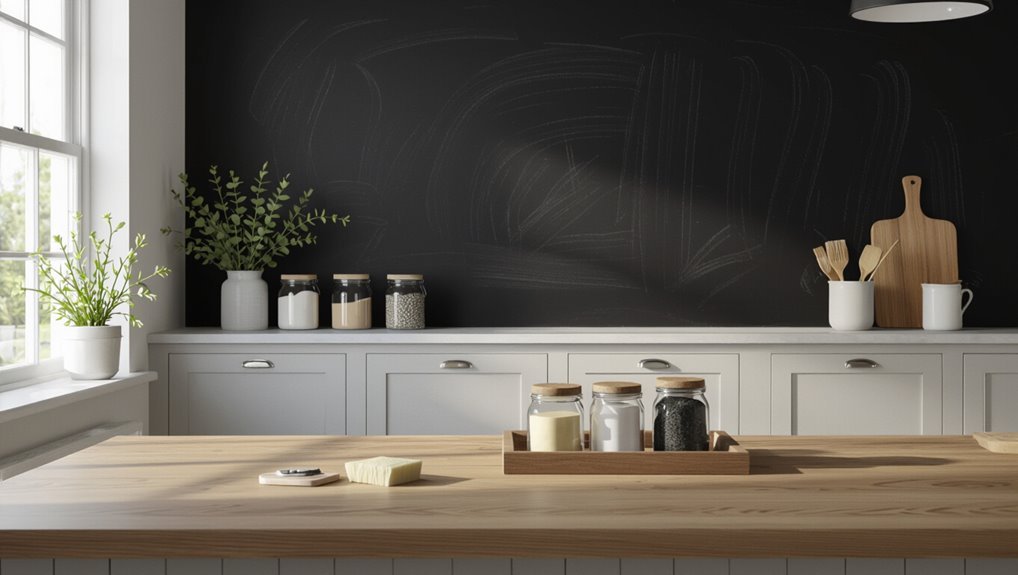
Although it looks like ordinary paint, chalkboard paint creates a hard, matte surface you can write on with chalk and erase cleanly. You’ll find it in classrooms, home offices, kids’ rooms, kitchens for menus or calendars, and on furniture or accent walls where temporary notes or art are useful.
You’ll appreciate chalkboard benefits for organization and playful creative applications that adapt to changing needs.
Why Cleaning Method Affects Chalkboard Paint Durability
How you clean chalkboard paint matters because harsh scrubbing can cause surface abrasion and wear the finish over time.
Using the wrong chemicals can trigger adverse reactions that dull or weaken the paint.
If you leave residue behind, it builds up and makes future cleaning harder while shortening the board’s usable life.
Surface Abrasion Risk
Because chalkboard paint relies on a textured, durable finish to hold chalk, the way you clean it directly affects its lifespan: scrubbing too hard, using abrasive pads, or harsh cleaners can wear down the surface, remove the paint binder, and create shiny spots where chalk won’t adhere.
You should prioritize surface protection and abrasion prevention.
- Use soft microfiber cloths
- Test cleaners first
- Avoid scrubbing pads
- Dry gently to finish
Chemical Reaction Effects
If you use the wrong cleaner, you’ll trigger chemical reactions that break down the paint binder and the matte finish, causing dull spots, softening, or even peeling.
You should test cleaners on an inconspicuous area first, because different solvents cause varied paint interactions.
Use pH-neutral, mild solutions and gentle tools to avoid altering adhesion or surface chemistry that shortens chalkboard paint lifespan.
Residue Build-Up Impact
When you clean a chalkboard with the wrong solution or tool, leftover film and particles build up on the surface and gradually dull the finish and reduce chalk adhesion.
You should identify residue types and choose safe cleaners to avoid abrasion. Proper build up prevention keeps durability and smooth writing.
- Dust and chalk powder
- Soap scum and oils
- Abrasive scratches
- Residual cleaner film
When to Clean: Daily, Weekly, and Deep Schedules
You should do a quick light wipe every day to keep chalk dust from building up and blurring your writing.
Save a more thorough clean for weekly spot checks, focusing on smudges and corners.
Once a month, give the whole surface a deep cleaning to remove ghosting and restore the finish.
Daily Light Wipe
A quick daily light wipe keeps chalkboard paint looking sharp and prevents ghosting from building up; you’ll want to do this every day in high-use areas and a few times weekly in lesser-used rooms.
For daily cleaning and chalkboard maintenance, use a soft microfiber cloth or dry erase eraser, wiping gently to remove dust and fresh marks.
- Soft microfiber cloth
- Gentle strokes
- Inspect for stains
- Repeat daily
Deep Monthly Cleaning
Once a month, give your chalkboard paint wall a deeper clean to lift stubborn ghosting, grease, and buildup that daily wipes miss.
Use eco friendly solutions like vinegar-water or baking soda paste, gently scrubbing with a soft sponge. Rinse, dry, then re-season the surface by rubbing chalk all over and erasing.
Schedule seasonal maintenance to inspect edges and repaint small areas as needed.
Tools You Need to Clean Chalkboard Paint
Before you start scrubbing, gather the right tools so you can clean efficiently and avoid damage.
You’ll want basic cleaning tools and simple maintenance supplies to protect the finish and prolong life. Keep everything handy, so you won’t overwork the surface.
- Microfiber cloths
- Soft sponge
- Soft-bristled brush
- Bucket and lint-free towels
Safe Cleaners for Chalkboard Paint Surfaces
While gentle solutions work best, you don’t need harsh chemicals to get chalkboard paint clean—mild soap and water, white vinegar diluted with water (about 1 cup vinegar to 1 gallon water), or a commercial cleaner labeled safe for painted surfaces are all good choices. Use natural alternatives and eco friendly options to avoid residue.
| Cleaner | Use |
|---|---|
| Mild soap | Daily wipe |
| Vinegar mix | Deep clean |
| Eco cleaner | Safe finish |
Everyday Erasing Without Scratching
After cleaning with mild soap or a vinegar mix, keep daily erasing gentle to protect the paint surface.
Use soft strokes, test different chalk types to reduce abrasion, and rotate eraser options to avoid buildup.
Replace or clean erasers regularly. Consider a microfiber cloth for quick wipes.
- Soft chalk sticks
- Felt erasers
- Microfiber cloths
- Regular eraser cleaning
Removing Ghost Marks After Erasing
If ghost marks linger once you’ve erased, try a targeted cleaning routine to lift the residue without damaging the paint: lightly dampen a microfiber cloth with water or a mild vinegar solution, wipe in circular motions, then dry immediately.
For persistent smudges, use a chalkboard cleaner sparingly.
This ghost mark removal approach complements effective erasing and preserves the finish.
Deep-Cleaning Stubborn Chalk Buildup
If normal erasing leaves chalk haze, start by wiping the surface with a damp microfiber cloth to remove loose residue.
For deeper stains, you’ll treat spots with a mild cleaning solution and a soft scrub pad, working in small sections.
Rinse with plain water and dry thoroughly before rewriting.
Remove Surface Chalk Residue
Scrub stubborn chalk haze by working in small sections and using the right tools so you don’t damage the paint. You’ll remove surface chalk residue with gentle, repeated motions, damp microfiber cloths, and mild soap solutions; avoid harsh abrasives.
Use proper cleaning techniques to lift buildup without overworking paint.
- Damp microfiber cloth
- Mild soap mix
- Soft circular strokes
- Rinse and dry promptly
Deep Stain Treatment
When gentle wiping won’t lift deep chalk haze, move on to a targeted deep-stain treatment that restores the paint without stripping it.
You’ll mix mild dish soap and warm water, test a small area, then gently scrub with a soft sponge. Rinse, dry, and repeat if needed.
Finish with regular maintenance to aid stain prevention and minimize future chalk residue buildup.
Cleaning Oil-Based Chalk Markers Safely
Oil-based chalk markers require a gentler approach than water-based ones, because their solvent-rich ink can leave stains or damage the paint if you’re not careful.
Oil-based chalk markers need extra care—test first and use gentle, minimal solvents to avoid stains or paint damage.
For safe removal, test a hidden spot, use mild solvent sparingly, blot rather than rub, and rinse with a damp cloth. Follow manufacturer guidance and wear gloves.
- Test first
- Blot gently
- Use minimal solvent
- Rinse well
Removing Permanent Marker or Ink Stains
If a permanent marker or ink lands on your chalkboard paint, act quickly but carefully—these stains soak in more aggressively than chalk markers.
Blot excess with a dry cloth, then test alcohol-based marker removal techniques on a hidden spot. Gently rub with isopropyl alcohol or a dedicated pen remover, rinse residue, and dry.
Use targeted ink stain solutions sparingly to protect the finish.
Cleaning Chalkboard Paint With Vinegar and Water
You can clean chalkboard paint effectively with a simple vinegar-and-water solution—use one part white vinegar to four parts water for general cleaning.
Apply it with a soft cloth or sponge, wrung out so it’s damp rather than dripping, and wipe in gentle, circular motions.
Rinse with plain water and dry with a clean cloth to avoid residue.
Vinegar-To-Water Ratio
When cleaning chalkboard paint with a vinegar solution, stick to a mild ratio so you won’t damage the finish: mix one part white vinegar with two to three parts warm water for routine cleaning, and use a 1:1 ratio only for tougher stains or ghosting.
You’ll get vinegar benefits while preserving finish; consider cleaning alternatives if concerns arise.
- Start mild
- Test first
- Blot, don’t scrub
- Rinse well
Safe Application Methods
Because chalkboard paint can be sensitive to harsh treatment, apply a vinegar-and-water solution gently and deliberately to avoid damage.
You should test a small area first as part of paint preparation. Use a soft microfiber cloth or sponge, wring it well, and wipe in light, circular application techniques.
Rinse with clean water, dry immediately, and avoid soaking or abrasive scrubbing.
Using Mild Dish Soap for Tougher Grime
Tackle stubborn smudges and grease on chalkboard paint by mixing a few drops of mild dish soap with warm water—this solution lifts grime without harming the finish.
You’ll notice mild soap effectiveness on stubborn grime when you gently wipe with a microfiber cloth, then rinse and dry.
- Use gentle pressure
- Rinse residue fully
- Test hidden spot first
- Dry completely afterward
Spot-Cleaning With Rubbing Alcohol
For quick spot-cleaning, dampen a microfiber cloth with a small amount of rubbing alcohol and gently blot the mark—you’ll lift ink, marker, and stubborn residue without scrubbing hard. Use careful alcohol application as part of spot cleaning techniques; test an inconspicuous area first. Work outward, blotting rather than rubbing, then air-dry.
| Cloth | Alcohol |
|---|---|
| Microfiber | Isopropyl |
| Blot | Small amount |
| Test area | Gentle |
| Dry | No rinse |
Using Commercial Chalkboard Cleaners Safely
When you use a commercial chalkboard cleaner, pick a nonabrasive formula to avoid scratching the paint.
Read and follow the manufacturer’s instructions for dilution, contact time, and rinsing.
Test the cleaner on a small, inconspicuous area first to confirm it’s safe for your surface.
Choose Nonabrasive Cleaners
Because chalkboard paint is delicate, you should stick to nonabrasive cleaners designed for painted surfaces and chalkboards.
Choose products labeled safe, test a small area first, and prefer eco friendly options or natural alternatives when possible.
Use soft microfiber or sponge and mild soap diluted in water. Avoid scrubbing with gritty pads.
- Soft microfiber
- pH-neutral cleaner
- Vinegar solution
- Commercial chalkboard spray
Follow Manufacturer Instructions
If a commercial chalkboard cleaner came with specific directions, follow them closely to get the best results and avoid damage.
Read labels for dilution, contact time, and compatibility so you won’t harm the finish. Use recommended applicators, test a small area first, and store products safely.
Following instructions supports chalkboard maintenance and maximizes paint longevity while keeping cleaning efficient and safe.
Protecting Trim and Nearby Surfaces While Cleaning
As you clean chalkboard paint walls, shield trim and nearby surfaces to prevent damage or staining from cleaners, chalk residue, or tape adhesive.
Use protective coverings and trim tape to define cleaning boundaries, and place surface shields on adjacent furniture. Work methodically, wiping toward protected edges and checking tape adhesion often.
- Lay drop cloths
- Apply trim tape
- Set surface shields
- Define cleaning boundaries
Avoiding Abrasive Tools and Scratches
When cleaning chalkboard paint, don’t grab steel wool, scouring pads, or abrasive brushes—those will scratch the surface and dull the finish.
Instead, use non abrasive materials like microfiber cloths or soft sponges and mild cleaner. You should rely on gentle scrubbing with light pressure, rinsing and drying thoroughly.
Avoid scraping or harsh pads to preserve the paint’s smooth, writable surface.
Test Cleaners on an Inconspicuous Area First
Before you clean the whole wall, spot-test your cleaner on a hidden section like behind a piece of furniture or inside a closet.
Let it dry and check for any changes in the finish, such as dulling or discoloration.
If the paint looks the same, it’s safe to proceed; if not, try a milder solution.
Spot-Test Hidden Section
Want to make sure your cleaner won’t damage the finish? Use spot test techniques on a hidden section importance: pick an out-of-sight corner, apply a small amount, wait, and inspect.
If safe, proceed to clean the rest. Test first to avoid surprises.
- choose an inconspicuous spot
- use the mildest cleaner
- wait 10–15 minutes
- compare before/after
Check For Finish Changes
After you’ve confirmed a cleaner won’t harm a hidden corner, check the finish itself by applying the cleaner to another small, inconspicuous patch and inspecting for changes in sheen, texture, or color.
You should perform a careful finish inspection and note any dulling or softening. If needed, plan touch up techniques—lightly buff, recoat, or blend with matching chalkboard paint to restore uniform appearance.
Re-Seasoning Chalkboard Paint After Cleaning
Once the surface is clean and dry, you’ll need to re-season the chalkboard paint to restore its erasability and prevent ghosting.
Once clean and dry, re-season the paint by rubbing chalk over the surface, then erase to prevent ghosting.
Rub the board with the side of a chalk stick, covering every inch, then erase. That primes the pores and evens chalk texture.
Repeat if needed for stubborn ghosting.
- Use whole chalk
- Cover thoroughly
- Erase well
- Test a corner
Caring for Textured or Matte Chalkboard Paints
Treat textured or matte chalkboard paints gently, since their irregular surfaces trap dust and chalk residue more than smooth finishes.
Use a soft-bristle brush or microfiber to dry-sweep, then wipe with a damp sponge and mild cleaner, avoiding excess water that can damage a matte finish.
For textured application, work in gentle circular motions and let the surface air-dry fully before writing again.
Cleaning Magnetic Chalkboard Paint Safely
Because magnetic chalkboard paint combines ferrous particles with a writeable surface, you’ll want to clean it more gently than a regular chalkboard to protect both the magnetic layer and the finish.
Wipe with a soft microfiber, use mild soap sparingly, avoid abrasive pads, and dry immediately to preserve paint longevity.
- Soft microfiber cloth
- Mild soap solution
- No abrasives
- Dry after cleaning
Care Tips for High-Traffic Chalkboard Walls
If your chalkboard wall gets constant use, you’ll want a simple daily light cleaning routine to keep dust and ghosting at bay.
Set a schedule for deeper, periodic maintenance—like using a damp microfiber cloth and a gentle cleaner—to remove stubborn residue without harming the paint.
With these small habits, your high-traffic wall will stay smooth and writable longer.
Daily Light Cleaning
1 key habit for keeping high-traffic chalkboard walls looking sharp is a quick daily wipe: you’ll remove loose dust and chalk haze before it builds up, making deeper cleanings less frequent and preserving the finish.
Store supplies neatly and choose proper chalk selection to reduce residue.
Daily routine:
- Use a dry microfiber cloth
- Wipe vertically then horizontally
- Empty supply storage daily
- Inspect for smudges
Deep Periodic Maintenance
Every few weeks you should give high-traffic chalkboard walls a thorough deep clean to remove embedded chalk haze, stains, and oils that daily wipes won’t catch.
Use a damp microfiber with mild detergent or vinegar solution, rinse, then dry.
Sand and repaint small worn spots as needed.
These maintenance tips prevent ghosting, preserve finish, and keep writing surfaces smooth and durable.
Preventing and Treating Mold or Mildew
Because chalkboard paint is porous and often used in humid rooms, you’ll want to stay proactive about mold and mildew before they take hold.
You should focus on mold prevention and quick mildew treatment using gentle cleaners and ventilation. Follow routine checks and act fast at first signs.
- Increase ventilation
- Wipe spills promptly
- Use mild, nonabrasive cleaners
- Dry surfaces thoroughly
Removing Waxy Residue From Specialty Chalks
When specialty chalks leave a waxy buildup, you’ll need a gentle, targeted approach to lift the residue without damaging the paint; start by testing cleaners on an inconspicuous spot.
Dampen a microfiber cloth with mild dish soap solution, gently rub in circular motions, then blot dry.
For stubborn waxy chalks, use a specialty erasers or a diluted isopropyl wipe, retesting as needed.
How Humidity and Temperature Affect Care
After you’ve tackled waxy residue, pay attention to the room’s humidity and temperature—both directly affect chalk adhesion and the paint’s finish.
You should monitor humidity effects to prevent chalk smudging and mildew, and adjust temperature impacts to avoid paint softening or brittleness. Control climate, air flow, and drying times to protect the surface.
- Keep humidity moderate
- Avoid rapid temperature swings
- Use dehumidifiers or fans
- Wipe when fully dry
Removing Crayon, Tape Adhesive, or Sticker Residue
When crayon marks or sticky residue show up, you can try gentle solvents like rubbing alcohol, white vinegar, or a citrus-based cleaner to soften the mess without harming the paint.
Test your chosen solvent in an inconspicuous spot, then apply it sparingly with a soft cloth and rub in a circular motion to lift the residue.
For stubborn adhesive, use a plastic scraper or peel slowly while reapplying solvent to avoid damaging the chalkboard finish.
Gentle Solvent Options
One quick way to tackle crayon marks, tape glue, or sticker gunk is to reach for gentle solvents that lift residue without harming chalkboard paint.
You’ll choose gentle cleaners or solvent alternatives, test a hidden spot, and dab—don’t rub—until residue softens. Follow with a damp cloth and dry.
- Rubbing alcohol (diluted)
- Vinegar solution
- Goo-remover wipes
- Mild dish soap
Adhesive Removal Technique
If gentle solvents didn’t fully remove crayon marks, tape adhesive, or sticker residue, you’ll need a targeted removal technique that lifts sticky gunk without damaging the chalkboard finish.
Test on a hidden spot. Identify adhesive types, then soften residue with heat or oil.
Use plastic scrapers, microfiber, and recommended removal tools gently. Clean, rinse, and re-season the surface afterward.
Cleaning a Chalkboard Wall Used by Kids
Kids will scrawl, smear, and layer chalk faster than you expect, so you’ll need a simple, regular routine to keep the wall usable and stain-free.
Use wet microfiber wipes, mild soap, and a soft eraser; choose chalk types and kid friendly supplies to minimize staining.
Wipe with a wet microfiber cloth, mild soap, and a soft eraser; pick washable, kid-safe chalk to prevent stains.
Quick daily erase, weekly deep clean, and spot-clean messy areas.
- Daily gentle erase
- Weekly wash
- Use washable chalk
- Store supplies neatly
Maintaining an Office Chalkboard Wall
An office chalkboard wall needs a different upkeep rhythm than a kid’s playroom. You’ll dust and erase daily to keep messages crisp. Use a damp microfiber weekly for smudges, and avoid oily cleaners that harm finish.
Schedule light deep-cleans monthly, keep chalk trays tidy, and coordinate chalkboard care with office aesthetics so the wall stays professional and functional.
When to Repaint: Signs You Need Renewing
After you keep up daily dusting and monthly touch-ups in an office, you’ll start noticing when the surface needs more than cleaning.
Watch for signs of wear: ghosting, uneven texture, loss of chalk adhesion, or visible scratches. Those indicate repainting frequency should increase.
Decide to renew when functionality drops or appearance bothers you.
Renew the surface when its function fails or its look no longer suits the space.
- Ghosting
- Texture change
- Poor chalk adhesion
- Visible scratches
Prep for Repainting Chalkboard Paint Walls
Before you start repainting, clear the room and protect floors, furniture, and fixtures with drop cloths or plastic sheeting.
Then remove light switch covers and outlet plates so paint goes on cleanly and evenly.
Sand lightly to scuff gloss, clean with mild detergent, and repair dents or chalk residue.
Prime bare spots to guarantee adhesion.
These steps support Chalkboard Maintenance and Paint Longevity.
Choosing Touch-Up Products That Match Existing Paint
Start by matching the finish and color rather than just grabbing the same brand—chalkboard paint varies in sheen and pigment, so test swatches on a hidden spot and let them dry to see how they look under your room’s light.
For paint matching and touch up colors, pick the closest dried swatch and blend carefully.
Consider:
- Small sample pots
- Feathered brushwork
- Layered thin coats
- Note source and batch
Setting a Simple Maintenance Routine
While you can skip deep cleaning most days, set a simple routine you’ll actually follow: wipe daily with a dry microfiber, erase fully weekly, and do a gentle damp clean monthly. These maintenance tips keep chalkboard paint looking sharp without overworking it. Adjust cleaning frequency for heavy use.
| Task | Tool | Interval |
|---|---|---|
| Dry wipe | Microfiber | Daily |
| Erase | Felt eraser | Weekly |
| Damp clean | Damp cloth | Monthly |
Common Cleaning Mistakes That Damage Paint
One common mistake is using harsh cleaners or abrasive tools that scrape or strip the chalkboard paint; they can dull the finish and leave permanent marks.
You should avoid over-wetting, frequent scrubbing, scented solvents, and sharp implements. Choose gentle cleaning techniques focused on paint preservation and test products first.
- Over-wetting
- Vigorous scrubbing
- Solvent cleaners
- Sharp tools
Quick Checklist: Safe Cleaning Steps to Follow Every Time
1 simple routine will keep your chalkboard paint looking great: wipe loose chalk with a dry cloth, spot-clean stubborn marks with a damp microfiber, dry the surface immediately, and avoid harsh cleaners or scrubbing. Follow this quick checklist to set cleaning frequency and chalkboard maintenance expectations.
| Step | Action |
|---|---|
| 1 | Dry wipe |
| 2 | Spot dampen |
| 3 | Dry fast |
| 4 | Inspect |
| 5 | Schedule |
Frequently Asked Questions
Can Chalkboard Paint Be Applied Over Wallpaper Safely?
Yes — you can apply chalkboard paint over wallpaper, but you’ll reduce chalkboard paint durability if the wallpaper isn’t stable. Test adhesion, verify wallpaper compatibility, prime or remove loose seams, and use multiple thin coats for best results.
Will Chalk Dust Affect Nearby Electronics Over Time?
Absolutely—yes; like a telegram-era warning, chalk dust can settle into electronic devices over time, so you’ll want to dust, use sealed containers, vacuum with HEPA, and keep electronics covered to prevent buildup and corrosion.
Can I Use a Steam Cleaner on Chalkboard Walls?
You shouldn’t use a steam cleaner on chalkboard walls; it can lift paint and warp the finish. For chalkboard maintenance, stick to gentle cleaning tools like microfiber cloths, damp sponges, and mild soapy water.
Are There Eco-Friendly Commercial Cleaners Available?
By Jove, yes — you’ll find eco-friendly commercial cleaners labeled gentle and biodegradable; you’ll also use natural alternatives and homemade solutions like vinegar-water or baking soda mixes, so you won’t harm the chalkboard finish.
How Do I Remove Grease or Food Stains From a Kitchen Chalkboard?
You’ll tackle grease removal and food stains by wiping with a damp microfiber cloth, then using mild dish soap diluted in water for stubborn spots, rinse, and dry; avoid abrasive scrubbing to protect the chalkboard finish.
Conclusion
Keep your chalkboard walls looking sharp by treating them gently and cleaning them regularly; think of maintenance as a little kindness you show your room. You’ll want to dust daily, wipe weekly with a damp microfiber, and deep-clean sparingly with a mild, nonabrasive solution. Avoid harsh chemicals or scrubbing pads, and keep matching touch-up paint handy for nicks. With a simple routine and a light touch, your chalkboard will stay functional and stylish for years.
