
How to Avoid Mold in House: Prevention Tips Every Homeowner Should Know
Stop water entry, fix leaks fast, and dry wet materials within 24–48 hours to prevent mold from taking hold. Keep indoor humidity between 30–50% using dehumidifiers and exhaust fans, and monitor levels with a hygrometer. Ventilate bathrooms, kitchens, and laundry areas and use mold-resistant materials when remodeling. Clean and discard soaked porous items, inspect roof, windows, and plumbing regularly, and wear gloves for small cleanups. Keep going to learn practical steps and checklists you can apply immediately.
Immediate Steps to Stop Mold Now
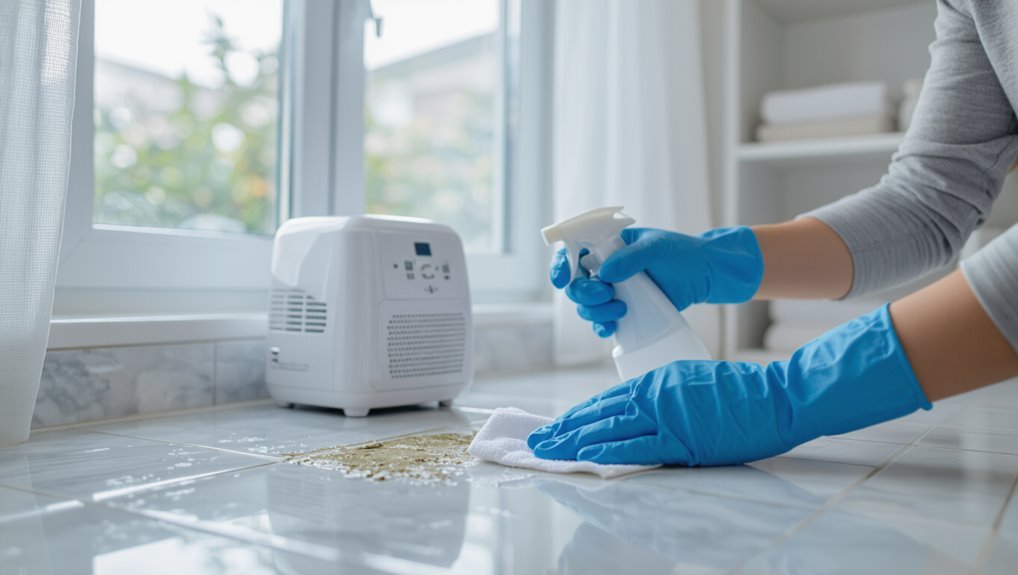
Act now: stop more water getting in and reduce humidity to halt mold growth.
You should dry wet materials within 24–48 hours, fix leaks, and use dehumidifiers and exhaust fans.
Wear gloves, remove small mold spots with detergent, and discard soaked porous items.
These prevention strategies keep spores from settling and spreading, letting you control moisture before mold becomes a bigger problem.
How Mold Gets Into Your Home : And What to Stop First
Because mold spores are everywhere, they only need moisture and food to colonize your home; start by stopping the most common entry points. You’ll block mold sources by sealing leaks, fixing roof vents, cleaning gutters, and keeping windows closed during storms. Improve air quality by filtering incoming air and controlling ventilation to reduce dust and dampness.
| Entry point | Action |
|---|---|
| Roof leaks | Repair promptly |
| Windows | Seal & weatherstrip |
| Vents | Install screens |
| Gutters | Clean regularly |
Control Indoor Humidity: Targets and Tools
Keep indoor humidity between about 30–50% to discourage mold growth and protect finishes.
Use dehumidifiers in damp areas and run them until readings stay in range, and improve ventilation with exhaust fans or by increasing air changes.
Check humidity with a hygrometer so you can adjust dehumidification and ventilation as needed.
Maintain Optimal Humidity
When indoor humidity stays between about 30% and 50%, you reduce mold growth while keeping comfort and protecting belongings.
Use a hygrometer to monitor levels and adjust with ventilation, dehumidifiers, or humidifiers as seasons change.
Check humidity levels in basements, bathrooms, and kitchens, and control moisture sources like leaks, drying laundry, and poor ventilation to keep conditions unfavorable for mold.
Use Dehumidifiers Strategically
If indoor humidity consistently creeps above 50%, run dehumidifiers in key spaces—basements, bathrooms, and laundry areas—to pull moisture from the air and stop mold before it starts.
Monitor humidity with a hygrometer, adjust dehumidifier placement for ideal coverage, and choose units with auto-shutoff and energy efficiency ratings.
Empty or connect drains regularly and maintain filters to keep units effective.
Improve Ventilation Rates
Dehumidifiers help pull moisture from the air, but improving ventilation rates removes and replaces humid indoor air so you won’t be fighting moisture buildup alone.
You should assess airflow patterns, add or upgrade ventilation systems, and use timed exhaust fans in kitchens and baths.
Balance intake and exhaust, open windows when outdoor humidity’s low, and consider whole-house mechanical ventilation to keep indoor humidity controlled.
Fix Leaks Fast: Plumbing & Roof Checklist
Check your roof regularly for missing shingles, damaged flashing, or clogged gutters so small problems don’t turn into mold-friendly leaks.
If you spot a plumbing leak—under sinks, around appliances, or in ceilings—shut off the water and fix it right away or call a pro.
Prompt roof and plumbing repairs stop moisture at the source and keep mold from getting started.
Inspect Roof Regularly
Because your roof is your home’s first line of defense against moisture, inspect it regularly so small problems don’t turn into mold-producing disasters.
You’ll get roof inspection benefits like early detection of common roof issues and extended lifespan.
Check for:
- Missing or damaged shingles.
- Clogged gutters and flashing gaps.
- Soft spots in attic ceilings or insulation.
Repair Plumbing Immediately
Fix leaks as soon as you spot them to stop moisture from feeding mold growth.
You should address dripping pipes, running toilets, and slow drains immediately to prevent water damage and mold colonization.
Regular plumbing maintenance cuts risks and saves money—tighten fittings, replace worn seals, and call a plumber for hidden leaks.
Quick action keeps your home dry and mold-free.
Improve Ventilation to Prevent Mold (Bath, Kitchen, Laundry)
When you vent moisture out of bathrooms, kitchens, and laundry rooms, you cut off mold’s main food source and greatly reduce its chance to grow.
Use consistent ventilation and humidity control:
- Run bathroom exhaust during and after showers.
- Use kitchen fans while cooking and for 10–15 minutes after.
- Confirm laundry ventilation vents outside and dries rooms thoroughly.
Clean Smart to Prevent Mold: Products & Methods
Use EPA-registered mold-killing cleaners on grout, shower curtains, and other damp-prone spots to stop spores before they take hold.
Wipe and dry surfaces immediately after cleaning or use to prevent moisture from returning.
Regular, targeted cleaning plus quick drying is one of the simplest ways you can keep mold from starting.
Use Mold-Killing Cleaners
Although mold thrives in damp, neglected spots, you can stop it before it spreads by choosing the right cleaners and applying them properly.
- Pick products with proven mold killing ingredients like hydrogen peroxide, bleach, or vinegar.
- Use effective cleaning techniques: scrub, dwell time, rinse, and ventilate.
- Wear gloves, test surfaces first, and repeat treatment for recurring spots.
Dry Surfaces Immediately
A quick wipe and thorough drying after spills or showers stops mold before it gets a foothold, so grab an absorbent towel or squeegee and remove moisture right away.
You should target moisture sources like shower walls, window sills, and counters.
Dry corners and grout, ventilate the area, and use microfiber cloths or a wet/dry vacuum to prevent mold growth and recurring dampness.
Dry Wet Items and Areas After Spills Or Floods
Act fast after spills or floods—moisture that’s left to sit for more than 24–48 hours can let mold take hold.
You should remove soaked items and use rapid drying techniques to prevent mold growth. Follow these steps:
- Remove and wash fabrics; dry outdoors or with a dryer.
- Extract water with a wet vacuum.
- Use fans and dehumidifiers until materials feel dry.
Mold-Resistant Materials for Home Remodels
Once you’ve dried wet areas and removed soaked items, pick building materials that resist moisture and mold so future problems are less likely.
When remodeling, choose moisture resistant drywall in bathrooms, basements, and laundry rooms, install water-resistant flooring, and seal gaps.
When remodeling, use moisture-resistant drywall, water-resistant flooring, and seal gaps to prevent mold and water damage.
Finish surfaces with mold resistant paints and use ventilated fixtures.
These choices cut humidity risks and make cleanup easier after leaks.
Monthly & Seasonal Mold-Prevention Checklist
Monthly and seasonal checks keep small issues from becoming mold infestations, so set a regular schedule and stick to it.
You’ll catch leaks, humidity spikes, and damp spots early. Include mold resistant paint where repainting’s needed and perform seasonal inspections after storms and before winter.
- Check vents, dehumidifiers, sump pumps.
- Inspect basements, attics, crawlspaces.
- Clean gutters, downspouts, window seals.
When to Call a Pro: Signs You Need Remediation
Keeping up with your monthly and seasonal checks will catch many problems early, but some situations call for professional help.
Call for a mold inspection and professional assessment if you find extensive visible growth, persistent musty odors, recurring dampness after fixes, allergic reactions among occupants, or contamination after flooding.
Don’t delay—timely remediation prevents structural damage and health risks.
High-Impact, Low-Cost Mold-Prevention Upgrades
If you want big reductions in mold risk without breaking the bank, start with a few targeted upgrades that improve ventilation, reduce moisture, and make cleaning easier.
- Install humidity monitors and air purifiers, and use mold resistant paint in damp rooms.
- Prioritize gutter maintenance, storm window installation, and attic insulation to limit water intrusion.
- Do basement sealing and crawl space encapsulation to stop ground moisture.
Frequently Asked Questions
Can Mold Return After Professional Remediation, and How Soon?
Yes — mold can return after remediation; you’ll often see a mold regrowth timeline of weeks to months if moisture isn’t controlled. Remediation effectiveness depends on fixing sources and monitoring, so address leaks and humidity promptly.
Are Some Houseplants Prone to Causing Mold Indoors?
Yes — some houseplant types, like ferns and dense tropicals, can encourage mold if you don’t manage moisture control; you’ll want well-draining soil, avoid overwatering, improve airflow, and occasionally remove dead leaves to reduce risk.
Do Air Purifiers With HEPA Filters Prevent Mold Growth?
“An ounce of prevention is worth a pound of cure.” You’ll find air purifier effectiveness helps mold spore reduction by capturing airborne spores, but they won’t stop growth on damp surfaces—you’ll still need moisture control and cleaning.
Can Scented Candles or Essential Oils Hide Mold Odor Without Fixing It?
No — scented candles and essential oils can mask mold odor temporarily, but they won’t fix the problem; you’ll still have mold growth and health risks, so you should locate, remove, and address the moisture source promptly.
Is Mold Testing Necessary if I Can’T See Any Visible Mold?
Sometimes yes: you should consider testing if you smell musty, have mold health concerns, or suspect hidden moisture. Testing can reveal risks you can’t see, so you’ll act quickly to protect family health and home.
Conclusion
You’ve got the tools to keep mold out—start now and stay consistent. Tackle leaks, cut humidity, boost ventilation, and choose mold-resistant materials so problems don’t sneak back in like unwanted guests. Do monthly checks, fix issues fast, and call a pro if mold spreads or you smell mustiness. With small, steady steps you’ll protect your home and health—think of prevention as a simple habit that pays compound interest over time.
