
How to Make Your House Look Expensive With Simple Design Tricks
You can make your home look expensive by prioritizing entryways and the rooms guests use most, swapping tired hardware and switch plates, and painting walls in a cohesive neutral palette with one bold accent. Layer warm, dimmable lighting, choose timeless fixtures, and edit furniture to create open, purposeful layouts. Add textured textiles, oversized art in quality frames, and tall greenery for height. Keep seasonal refreshes and scent cues for polish—keep going for practical, budget-friendly steps you can try next.
A Simple, Prioritized Plan to Make Your Home Feel Expensive
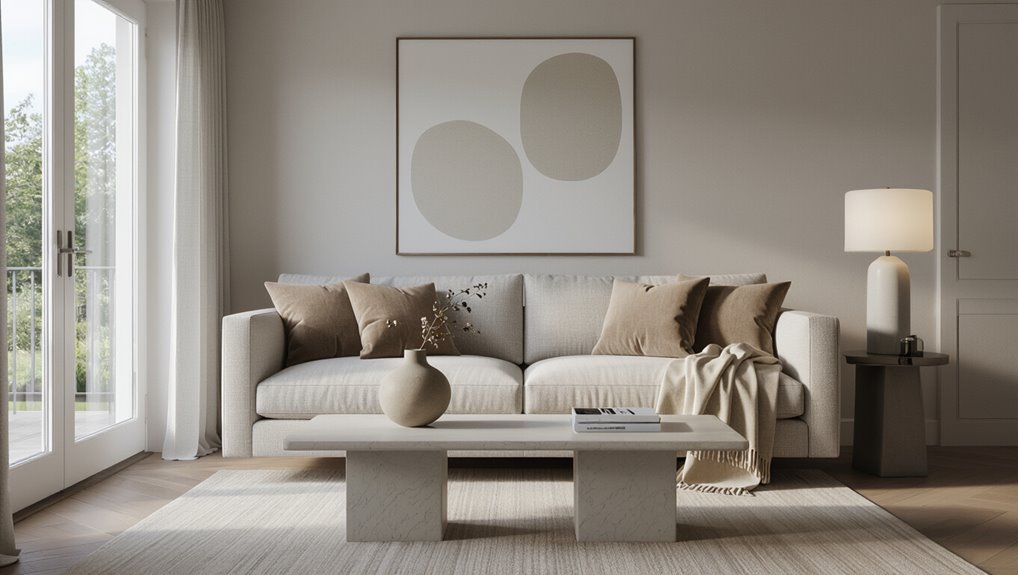
Before you tackle every corner of your home, focus on a few high-impact changes: lighting, paint, hardware, and decluttering.
You’ll introduce luxury textures and refined finishes, lean into modern minimalism and sophisticated simplicity, and add elegant accents and elevated accessories.
Use intentional styling and curated collections to create functional beauty and timeless elegance without clutter, so each piece feels purposeful.
Budget Smart: Prioritize Visible Areas First
Start by focusing on entryways since they set the first impression and cost little to upgrade.
Then prioritize living areas where guests spend most of their time to stretch your budget for maximum impact.
Small, targeted changes in these visible spots will make the whole house feel more upscale.
Focus On Entryways
Because your entryway is the first thing guests and buyers see, spend your budget there first to make the biggest impact.
Create entryway decor that delivers a welcoming ambiance and strong first impression with a clear focal point. Balance decorative accents, lighting options, and personal touches while adding practical storage and refined color scheme.
- Rug selection
- Mirror placement
- Artwork displays
- Plant arrangements
- Architectural details
Prioritize Living Areas
After you’ve set a strong first impression at the entry, shift your budget where people actually gather: the living room, dining area, and main family spaces.
Focus on living area functionality—invest in comfortable seating, layered lighting, and a polished focal point.
Edit excess furniture to improve space flow, add quality textiles sparingly, and prioritize upgrades that guests will notice first.
Quick Wins Under $100 to Lift Any Room
Swap out tired knobs and pulls for sleek hardware to instantly polish cabinets and drawers.
Layer in textured throw pillows to add depth and a designer feel without splurging.
Finish with an affordable statement light to lift the whole room and make everything look intentional.
Swap Hardware Quickly
A handful of new knobs and pulls can instantly lift a room without a full renovation. You’ll pick hardware styles that echo cohesive themes, balancing color contrast and modern finishes with vintage options.
Use ergonomic design, material choices, and simple installation tips for easy upgrades. Try DIY projects for a personal touch.
- Measure holes first
- Match finish family
- Prioritize grip comfort
- Swap one set at a time
- Tighten securely
Layer With Throw Pillows
Start with three pillows in varying sizes and textures to give your sofa an instant, curated look without spending much.
Mix throw pillow textures and fabric choices—velvet, linen, knit—for tactile depth. Use confident color combinations and pattern mixing with neutral anchors.
Employ layering techniques, size variations, and arrangement styles that suit your sofa.
Do seasonal swaps to refresh mood affordably.
Add Statement Lighting
Once your sofa feels curated with layered pillows, bring the room to life with statement lighting that looks luxe without breaking the bank.
You’ll pick a statement pendant or oversized lamps; explore chandelier styles, modern sconces, vintage fixtures, minimalist designs, or artistic lighting to add warm tones, geometric shapes, and ambient effects.
- Statement pendant
- Chandelier styles
- Modern sconces
- Vintage fixtures
- Oversized lamps
Choose a Cohesive Color Palette for Every Room
Because color sets the mood, pick a focused palette for each room and stick to it across walls, trim, textiles, and accessories.
You’ll use color psychology to influence energy—cool tones calm, warm tones energize.
Limit finishes and patterns so room harmony feels intentional.
Repeat key hues in small accents and artwork for cohesion.
Keep contrast subtle to maintain a polished, high-end look.
Set a Neutral Base and Add One Bold Accent
After settling on a cohesive palette, anchor each room with a neutral base—think warm whites, soft beiges, or muted grays—to give your eye a calm place to rest and let furnishings breathe.
Use neutral color schemes, then introduce one bold accent and let it pop with bold accessories.
- Pick one accent color
- Repeat it sparingly
- Vary textures
- Keep furniture muted
- Balance scale and placement
Patch, Paint, and Choose the Right Sheen for a Polished Finish
Start by fixing cracks, nail holes, and uneven drywall so your finish looks intentional.
Choose a timeless paint color—think warm whites, soft grays, or muted greiges—for lasting sophistication.
Match the sheen to the surface (flat for walls, eggshell for low-traffic rooms, satin or semi-gloss for trim and doors) to keep everything looking crisp.
Fix Flaws First
Fix visible imperfections first—patch nail holes, smooth cracks, and replace damaged trim—so your paint job can do its job.
Do a flaw assessment, prioritize minor repairs, and eliminate visual distractions. Focus on surface imperfections, maintenance routines, and intentional details that support decor consistency and layout adjustments.
- Patch and sand
- Correct color corrections
- Replace trim
- Tighten fixtures
- Align hardware
Pick Timeless Paint
When you patch and paint with intention, you set the stage for a room that reads as calm, cohesive, and high-end; choose classic hues—soft whites, warm grays, muted blues, and earthy neutrals—that withstand trends and pair easily with finishes and furnishings. Pick a timeless color from classic palettes, consider paint finishes and sheen types, use complementary shades to shape mood influence and room cohesion for lasting impressions.
| Tip | Benefit |
|---|---|
| Neutral base | Versatile |
| Accent color | Depth |
| Matte finish | Subtle |
| Satin finish | Durable |
Match Sheen To Surface
Once you’ve settled on a timeless hue, think about the sheen—it’s what makes paint look polished and wear well.
Match sheen types to surfaces: flatter for walls, satin for trim, semi-gloss for kitchens, gloss for doors.
Consider material compatibility and prep (patch, sand, prime) so finish lasts. Choose wisely to elevate rooms and resist scuffs.
- Flatter: hides flaws
- Satin: easy clean
- Semi-gloss: durable
- Gloss: high impact
- Prep: essential
Replace Basic Bulbs With Layered, Warm Lighting
If you want your rooms to read like a high-end magazine spread, swap out harsh, single-source bulbs for layered, warm lighting that flatters finishes and creates depth. You’ll build ambient atmosphere through lighting layering: mix soft overhead, task lamps, and accent spots to highlight art and textures. Imagine this vignette:
| Overhead | Lamp | Accent |
|---|---|---|
| soft glow | warm pool | focused beam |
| even wash | cozy nook | textured highlight |
Install Dimmers to Set the Mood
To get full control over the layered lighting you just set up, add dimmers so you can fine-tune brightness for every mood and moment.
You’ll create mood lighting and practical ambiance control without rewiring. Choose compatible dimmers, quality switches, and simple scenes to elevate rooms.
- Pick LED-compatible dimmers
- Use soft-start features
- Match switch style to decor
- Program simple scenes
- Test before finalizing
Layer Lighting for Function and Atmosphere
While great fixtures catch the eye, layering light gives your rooms both function and atmosphere—combine ambient, task, and accent sources so every space feels intentional and works for whatever you’re doing.
Use lighting layers with natural sources and curated fixture styles, balance color temperatures for mood enhancement, and plan functional placement to avoid glare.
Prioritize ambient temperature control and energy efficiency for comfort and savings.
Upgrade Door and Cabinet Hardware Strategically
Swap out a few well-placed pieces of hardware and you’ll instantly elevate the perceived quality of your home.
Choose sleek finishes and modern materials for functional elegance. Mix designer inspired looks with vintage finds or embrace minimalist designs.
Use mixed metals sparingly and add artful accessories for focal points.
- Brass knobs
- Matte black pulls
- Polished chrome levers
- Aged bronze accents
- Leather drawer pulls
Upgrade Switch Plates and Outlet Covers for Cohesion
When you replace cheap plastic plates with coordinated metal or textured covers, the room instantly feels more finished and intentional.
Choose switch plate styles and outlet cover materials that match your finish choices and color coordination.
Explore upgrade options from minimalist aesthetics to decorative accents for cohesive designs.
Modern upgrades and simple DIY installations deliver polish without fuss, tying rooms together subtly and affordably.
Choose Classic Faucets and Fixtures, Not Fads
Because trends come and go, pick faucets and fixtures with timeless lines that won’t look dated in a few years.
You’ll get timeless elegance and design durability by choosing simple shapes, quality finishes, and coherent styles that match your home.
Consider these options:
- Brushed nickel single-handle taps
- Matte black understated pulls
- Polished chrome classics
- Oil-rubbed bronze accents
- Satin brass minimal spouts
Refinish or Paint Dated Cabinets for a Fresh Look
Faucets and hardware set the tone, but your cabinets take up the most visual space—so refinishing or painting dated cabinets gives the room an instant facelift.
You’ll pick a cabinet color aligned with design styles, use refinishing techniques and painting tips for modern finishes, try DIY methods for cost effective solutions, swap hardware options, and apply transformation ideas to boost aesthetic appeal.
Choose Window Treatments That Read Custom
If you want your windows to feel tailored, choose treatments that look custom-made rather than off-the-shelf—think floor-to-ceiling panels, lined drapery, or tailored Roman shades that fit the frame precisely.
Use custom fabrics and tailored drapery, layer textures, add statement shades and color blocking, pick functional hardware, embrace minimalist designs to maximize natural light.
- custom fabrics
- tailored drapery
- layering textures
- statement shades
- functional hardware
Anchor Rooms With Rugs That Fit Properly
Pick a rug that’s the right size for the room so it anchors the space instead of floating awkwardly.
Align the rug with your furniture—at least the front legs of sofas and chairs should sit on it—to create a cohesive layout.
Keep proportions balanced so the rug complements the room’s scale and makes the whole space feel intentional.
Choose Correct Rug Size
1 rug that’s too small can make a well-designed room feel disjointed, so anchor seating areas with a rug that lets at least the front legs of furniture rest on it to create cohesion and balance.
Pick rug placement by size, consider rug materials, patterns, colors, textures and styles, use proper rug underlay, try rug layering, and factor rug shapes and rug maintenance.
- Measure first
- Visualize zones
- Match scale
- Test pile height
- Leave border space
Align With Furniture
Anchor your seating areas by sizing rugs so at least the front legs of sofas and chairs sit on the rug; this simple alignment visually ties furniture together, prevents pieces from floating awkwardly, and makes the room read as a single, intentional space.
You’ll improve furniture arrangement, create a focal point, enable functional layout and flow enhancement, and achieve color coordination, scale consistency, style blending, texture mixing, and aesthetic harmony.
Maintain Balanced Proportions
When you size a rug to fit the room rather than the piece, the whole space instantly feels more intentional and balanced; aim for rugs that leave a consistent border of visible floor around the edges so furniture sits comfortably on the rug without crowding the walls.
You’ll create proportion symmetry and clear visual balance.
- Anchor seating groups
- Keep a uniform border
- Let front legs rest on rug
- Match scale to room
- Avoid tiny rugs
Arrange Furniture to Create Purposeful Conversation Areas
Start by grouping seating so people face each other — that simple act turns a room into an intentional conversation area instead of a scattered collection of furniture.
You’ll arrange seating arrangements for social flow, balance furniture placement for spatial efficiency, and foster group dynamics that encourage conversation starters.
Aim for intimate settings with style cohesiveness so every cluster feels deliberate and inviting.
Invest in One High-Impact Statement Piece
Pick one striking focal piece—a sculptural lamp, bold artwork, or a standout sofa—and let it set the tone for the room.
You’ll keep the rest of the space simple so the statement item gets noticed, not lost.
This balance makes the room feel curated and expensive without overdoing it.
Choose A Focal Piece
A single striking piece — a sofa, chandelier, or artwork — can anchor a room and make everything else feel more intentional; choose it with purpose, focusing on focal point selection and statement furniture that reflects your style.
Pick one bold item, then complement it subtly.
- Choose scale wisely
- Prioritize quality over quantity
- Stick to a cohesive palette
- Let it command sightlines
- Avoid competing pieces
Balance With Simplicity
You’ve anchored the room with a focal piece; now resist the urge to clutter around it and let simplicity do the heavy lifting.
Choose minimalist decor and elegant accents that support sophisticated simplicity.
Embrace understated luxury through refined details, clean lines, and intentional design.
Keep additions measured so each element contributes to harmonious spaces, letting that one statement piece truly shine.
Mix High and Low Pieces to Look Curated, Not Cheap
When you blend splurge pieces with smarter buys, your home reads as intentional rather than thrifted; the trick is balancing quality focal items—like a statement sofa or crafted light fixture—with budget-friendly accents that echo their materials or scale.
You’ll create curated collections through intentional layering and stylish pairings, mixing modern classics with eclectic touches, vintage treasures, unique finds, and contrasting materials.
- decorative accents
- artful arrangements
- curated collections
- stylish pairings
- eclectic touches
Frame Art to Elevate Inexpensive Prints
You can make cheap prints look luxe by choosing high-quality frames that have clean lines and a solid finish.
Adding a mat between the print and frame gives each piece breathing room and a gallery-ready feel.
Together, a good frame and matting instantly elevate the whole room.
Choose High-Quality Frames
Frames can turn a cheap print into a gallery-worthy piece, so pick sturdy, well-finished options that complement your decor and the artwork’s scale.
You’ll choose frame materials and styles that suit design styles, color coordination, frame sizes, and art placement.
Consider vintage finds for texture and mix frame styles for creative displays; balance aesthetic choices across gallery walls.
- Match frame materials to artwork
- Vary frame sizes
- Coordinate colors
- Mix modern and vintage
- Plan art placement
Use Matting For Impact
One simple trick that makes inexpensive prints read as intentional and high-end is adding a mat: it creates breathing room, draws the eye, and gives even budget art a museum-quality presentation.
Choose archival matting materials to protect prints and pick neutral colors for contrast.
Use clean matting techniques — single, double, or oversized mats — to add scale, polish, and visual focus to your walls.
Create Gallery Clusters With Consistent Spacing
Start by grouping three to five pieces into tight gallery clusters so each arrangement reads as a single, curated statement. Keep the spacing between frames consistent to create visual rhythm and make the whole wall feel intentional and high-end.
Start with tight clusters of three to five pieces and consistent spacing for a polished, gallery-ready wall.
You’ll refine gallery arrangement with photo selection, frame styles, wall colors, cluster layouts, spacing techniques, visual balance and artistic themes.
- Choose complementary photo selection
- Match frame styles
- Test wall colors
- Map cluster layouts
- Measure spacing techniques
Style Shelves Like an Editor, Not a Hoarder
Think like an editor: curate each shelf with a clear purpose and only keep pieces that support that story.
Vary heights and depths to create rhythm and visual interest, mixing books, objects, and trays.
Leave negative space so each item can breathe and the whole arrangement reads as intentional, not cluttered.
Curate With Purpose
A carefully edited shelf tells a clearer story than a crowded one, so treat each surface like an art director would—choose pieces that complement one another, leave breathing room, and edit ruthlessly.
Embrace design trends sparingly, favor curated decor, intentional styling, tasteful minimalism, and personal touches for timeless elegance, artistic arrangements, thoughtful collections, functional aesthetics, and cohesive themes.
- Pick focal pieces
- Limit repeating colors
- Mix textures subtly
- Remove duplicates
- Rotate seasonally
Vary Heights And Depths
While arranging shelves like an editor, vary heights and depths so each object has room to breathe and a clear role in the composition. You’ll use height variations and depth contrasts to create rhythm: mix tall books, low sculptures, and layered frames. Keep groupings intentional, rotate pieces, and edit ruthlessly.
| Tall | Medium | Low |
|---|---|---|
| Vase | Frame | Bowl |
| Books | Plant | Candle |
Use Negative Space
Start by giving each shelf some breathing room — you don’t have to fill every inch to make it look curated.
Use negative space techniques to let standout pieces shine; you’ll create calm, intentional design that reads expensive. Edit ruthlessly, group items, and leave gaps for balance.
- Choose three focal objects
- Vary scale, not quantity
- Use matching tones
- Keep surfaces clear
- Rotate seasonally
Stage Countertops With Trays and Measured Vignettes
When you stage countertops with trays and measured vignettes, you’re creating focused scenes that feel curated instead of cluttered.
You’ll use tray styling to group essentials, improving countertop organization and reducing visual noise.
Aim for vignette balance by mixing heights, textures, and a single focal item.
That careful curation enhances surface aesthetics and makes even simple spaces read as intentional and refined.
Keep Surfaces Partially Empty to Feel Intentional
Don’t feel obligated to fill every surface — leaving breathing room makes each item look deliberate.
You’ll create a curated negative space that highlights quality over quantity. That restraint instantly reads as more polished and expensive.
Less Is More
Although it’s tempting to fill every surface, leaving some areas intentionally bare makes the pieces you do display feel more thoughtful and elevated.
You’ll embrace minimalist decor and elegant simplicity, letting quality items breathe. Edit ruthlessly, choose a focal object, and prefer negative balance.
- Keep counters mostly clear
- Limit tabletop trinkets
- Choose three strong pieces
- Use matching tones
- Rotate displays periodically
Curated Negative Space
Think of negative space as intentional breathing room: by leaving parts of tabletops, shelves, and walls deliberately vacant, you make the items you keep feel curated and valuable.
You create curated collections through intentional simplicity and stylish restraint, pairing functional decor with artful minimalism.
Use striking contrasts and balanced aesthetics, arranging purposeful arrangements and mindful selections to convey elegant simplicity without clutter.
Declutter Surfaces and Edit Tabletop Styling
When you clear off tabletops and keep only a few purposeful pieces, the whole room immediately reads as calmer and more curated.
You embrace minimalist decor and intentional simplicity, using stylish organization and decorative trays for functional aesthetics.
Apply strategic placement and visual balance with curated collections and elegant accessories—purposeful decor that feels edited, not empty.
- One decorative tray
- A single vase
- A small stack of books
- A curated bowl
- One sculptural object
Conceal Tech and Cords for a Cleaner Aesthetic
If you hide cords and tuck devices out of sight, the room instantly looks more refined and intentional; visible tech interrupts carefully edited surfaces and cheapens the overall feel.
You’ll use cord management and tech organization to create tidy spaces, install hidden outlets, and choose sleek storage that doubles as functional decor.
Embrace minimalist design for aesthetic balance and a polished, calming home.
Use Mirrors to Magnify Light and Perceived Space
Place mirrors opposite windows or lamps to bounce natural and artificial light into darker corners.
Use larger mirrors or clusters to create a sense of depth and make rooms feel bigger.
Finish with a bold frame to turn a practical mirror into a chic focal point.
Reflective Light Placement
Because light and reflection change how you perceive a room, strategically hung mirrors can double brightness and depth without costly renovations.
Use reflective surfaces and reflective decor for light bounce, mirror effects, and space perception. Position mirrors for natural light and light layering to enhance brightness and ambient glow.
- Place opposite windows
- Angle near lamps
- Group small mirrors
- Lean oversized mirror
- Match frame finish
Create Illusionary Depth
When you hang mirrors thoughtfully, they’ll amplify both light and perceived space, turning a cramped room into something that feels airy and intentional. Use strategic placement and reflective surfaces to enhance depth perception, visual layering, spatial organization, texture contrast, color gradients, light manipulation, shadow play, and furniture arrangement.
| Placement | Effect | Tip |
|---|---|---|
| Opposite window | Brightens | Angle slightly |
| Behind lamp | Soft glow | Use frame |
| Low near floor | Expands | Pair rugs |
| Hall end | Corridor illusion | Vertical |
| Above console | Focal depth | Keep slim |
Pair With Statement Frames
You’ve seen how mirror placement multiplies light and space; now amplify that effect by choosing a bold frame that anchors the room.
Use artistic arrangements and framing techniques to create visual balance and theme consistency. Pick frame materials that suit color coordination and design aesthetics, employ artistic layering, and try varied display strategies for creative displays.
- Mix metals and woods
- Group varied sizes
- Align heights precisely
- Contrast textures
- Repeat motif subtly
Add Tall Greenery for Scale and Life
If you want your rooms to read as curated and polished, add tall greenery to create instant scale and life.
You’ll use tall plants and indoor trees for height variation, choose plant selection wisely, and mix potted options with vertical gardens.
Thoughtful greenery placement and lush arrangements act as natural accents, delivering organic vibes while anchoring spaces without clutter.
Layer Textiles for a Collected, Luxe Look
Start with three thoughtfully chosen textiles—think a plush rug, a patterned throw, and a textured pillow—to instantly make a room feel curated and luxe.
Use textile layering with luxury fabrics, mindful color combinations, and texture contrast.
Mix fabric weights, rotate seasonal textiles, add decorative throws, and consider custom upholstery for cohesion.
- Plush rug
- Patterned throw
- Textured pillow
- Layered throws
- Upholstery accents
Swap Plain Bedding for Textured, Neutral Layers
Swap your plain sheets for layered, neutral textures to give your bedroom an instant upgrade.
You’ll want high-quality linens, a textured throw, and a mix of matte and subtle sheen fabrics instead of bold patterns.
Prioritize fabric weight and finish over busy prints for a calm, expensive look.
Layered Neutral Textures
When you replace flat, plain sheets with layered, textured neutrals, your bedroom instantly feels richer and more intentional.
Mix linen duvets, a waffle-knit throw, and a few tonal pillows to add depth without loud color.
You’ll create textural contrasts and layered patterns using tactile elements, neutral harmony, subtle variations, material diversity, visual warmth, organic touches, cozy ambiance, and inviting softness.
- Linen duvet
- Waffle throw
- Tonal pillows
- Knitted cushion
- Natural fibers
Quality Over Pattern
Although bold patterns can be fun, choosing high-quality, textured neutrals for your bedding immediately reads more refined.
Focus on materials like linen, brushed cotton, and wool that show depth through weave rather than color.
You’ll favor luxury materials and sophisticated textures, embrace minimalist aesthetics and refined simplicity, and showcase quality craftsmanship, elegant finishes, and curated collections for timeless elegance.
Invest in Soft, Absorbent Towels and Matching Accessories
Towels are one of the easiest ways to give your bathroom a high-end feel: choose plush, highly absorbent options in a consistent color palette and they’ll immediately read as intentional rather than thrown-together.
Pair luxury towels with coordinated bathroom accessories to highlight fabric quality and soft textiles for an elegant presentation.
- Choose matching sets
- Prioritize absorbent materials
- Stick to color coordination
- Display with care
- Replace worn pieces
Layer Lighting in the Bathroom for a Spa Vibe
If you want a spa-like bathroom, layer your lighting so each task and mood has its own source: bright, glare-free vanity lights for grooming, softer overhead or dimmable fixtures for ambiance, and accent lights to highlight architectural features or art.
Combine lighting with ambient scents, relaxing colors, luxurious textures, minimalist decor, spa accessories, elegant towels, serene artwork, and calming music to enhance the vibe.
Use Consistent Metallic Finishes for Polish
Lighting sets the mood in your bathroom, and the metal finishes you choose help tie that mood together throughout the rest of your home.
Use cohesive finishes and metallic accents to create modern glam with polished aesthetics and subtle shine. Choose stylish hardware and reflective surfaces for polished details and elegant touches to boost luxe appeal.
- Match metals room-to-room
- Limit finish varieties
- Mix textures subtly
- Prioritize quality
- Keep tones warm or cool
Use Sculptural Accessories for Shape and Interest
Choose sculptural accessories with bold silhouettes to give your rooms instant personality and visual punctuation.
Mix finishes and fabrics—ceramic, brass, matte stone, and woven textures—to add tactile contrast and keep the eye moving.
Vary scales from a dramatic floor piece to small tabletop objects so each grouping feels intentional and layered.
Play With Bold Silhouettes
When you bring in sculptural accessories, they give rooms instant backbone and personality without fuss.
You’ll play with bold silhouettes using unique shapes and oversized furniture as focal points.
Mix geometric patterns and striking contrasts with minimalist designs and dramatic accessories to create modern aesthetics.
Emphasize bold colors and playful textures through artistic arrangements.
- Statement lamp
- Curved vase
- Arched mirror
- Sculpted side table
- Bold artwork
Mix Textures And Scales
While sculptural accessories give rooms striking shapes, mixing textures and scales is what makes those pieces feel deliberate and luxurious. You’ll create textural contrast and scale harmony by pairing smooth ceramics with woven baskets, adding tactile layers and material variety for dimensional depth and sensory appeal. Aim for visual balance and layered looks to make accessories feel curated, not cluttered.
| Element | Effect |
|---|---|
| Ceramic vase | Smooth contrast |
| Woven basket | Tactile layer |
| Metal sculpture | Dimensional depth |
| Plush throw | Sensory appeal |
Introduce Pattern Through Textiles, Not Walls
Pattern doesn’t have to dominate a room to make it feel rich — bring it in with textiles like pillows, rugs, and throws.
You’ll use textile layers and fabric patterns to build color harmony, material contrast, and texture mixing for design balance. Focus on soft furnishings and textile accents to update rooms without repainting.
- Mix scales
- Repeat colors
- Add tactile throws
- Contrast materials
- Limit pattern count
Replace Flat White Trim With a Slightly Contrasting Tone
If you want your trim to feel intentional instead of an afterthought, swap flat white for a slightly contrasting tone that complements your walls—think soft warm white against cool gray or a creamy beige against pale blue.
Choose trim colors with subtle depth and durable, satin contrasting finishes so moldings read crisp. You’ll elevate rooms without heavy renovation, tying doors, windows, and baseboards together.
Add Architectural Detail With Affordable Moldings
When you add simple, inexpensive moldings—like picture rails, chair rails, or layered baseboards—you give plain walls instant architectural presence without a major remodel.
You’ll boost design impact and visual interest using molding styles, decorative trims, wall paneling, and ceiling accents. Choose budget options and paint finishes for cohesive architectural elements; DIY installation keeps costs low.
- Picture rails
- Chair rails
- Layered baseboards
- Panel molding
- Crown accents
Patch and Repair Floors; Keep Them Immaculate
Confidence in your floors starts with fixing the visible flaws: fill scratches, replace broken tiles, and sand or refinish worn spots so the surface reads as intentionally cared-for rather than neglected.
You’ll follow simple floor maintenance tips: clean regularly, address moisture, and match repair products to your flooring material options.
Keep grout bright and edges tight so rooms feel polished and high-end.
Optimize Kitchen Styling: Hide Small Appliances
A clutter-free countertop instantly elevates your kitchen, so tuck small appliances out of sight—store mixers, toasters, and blenders in cabinets, appliance garages, or pull-out drawers when you’re not using them.
- Use deep cabinets for kitchen organization
- Install an appliance garage for appliance concealment
- Choose uniform containers for countertop aesthetics
- Opt for hidden outlets inside drawers
- Embrace minimalist design to reduce visual clutter
Keep Floors Clean and Repair Visible Wear
After you clear countertops and stow appliances, shift attention downward—floors play a huge role in how polished your home feels.
Inspect floor materials and perform a wear assessment, then use cleaning routines and shine products to restore luster.
Apply simple repair techniques for scratches, follow maintenance tips, and consider modest flooring upgrades for aesthetic enhancements that elevate rooms without major renovation.
Make Small Landscaping Upgrades for Curb Appeal
When you tidy up your yard and add a few intentional touches, your whole house will read as more cared-for and expensive.
Use landscape lighting, smart plant selection, and clean garden pathways. Add tasteful outdoor furniture and seasonal blooms.
Consider mulch types, edging materials, privacy screens, small hardscape features, or subtle water elements.
- Layered lighting
- Defined beds
- Paved paths
- Cozy seating
- Bloom rotation
Use Fragrance and Sound to Elevate the Experience
If you want your home to feel curated, use scent and sound to shape how people perceive it—subtle notes and soft background audio make rooms read as more intentional and luxurious.
You’ll apply fragrance layering—clean top notes with a warm base—to evoke consistency.
Pair that with tailored soundscapes design: low-volume instrumental playlists or ambient tracks that match each room’s mood so guests sense calm, cohesion, and refinement.
Edit Personal Items to Maintain a Sophisticated Feel
Scent and sound set the mood, but your belongings tell the story—so edit personal items to keep spaces feeling curated and grown-up.
You’ll remove cluttered personal mementos, display curated collections sparingly, and keep surfaces calm. Limit family photos, rotate meaningful pieces, and store excess items to let quality and cohesion shine.
- Limit photos
- Group similar pieces
- Use uniform frames
- Store excess
- Rotate displays
Maintain the Look With Seasonal Refreshes
As seasons change, give your home small, purposeful updates so the look you worked for stays fresh and intentional.
Swap textiles, rotate art, and tweak lighting to reflect weather and mood. Use seasonal decor sparingly and with restraint; pick two or three focal pieces.
Schedule simple design updates each quarter so your space feels curated, cohesive, and consistently elevated.
Frequently Asked Questions
How Do I Make Small Rooms Feel Taller Without Renovations?
Hang vertical stripes on walls or curtains, use reflective surfaces like mirrors or glossy tiles, raise curtain rods near the ceiling, choose tall furniture, and keep clutter low so your eye travels upward and spaces feel taller instantly.
Can I Achieve a Luxe Look on a Strict Rental Lease?
Yes — coincidentally, you can achieve a luxe look on a strict rental lease: use removable luxury accents, smart lighting, and cohesive budget decor; you’ll transform spaces without damage, keeping deposits safe while feeling intentional and upscale.
What Paint Sheen Is Best for High-Traffic Hallways?
Use eggshell or satin for high-traffic hallways; they balance paint durability and cleanability. In sheen comparison, satin offers slightly more resilience and scuff resistance, while eggshell hides imperfections better—both beat flat for wear.
How Do I Discreetly Secure Bulky Kid or Pet Items?
Like a secret garden, you’ll tuck bulky kid or pet items into multifunctional storage solutions: ottomans, benches, labeled baskets, or built-in cubbies. You’ll enjoy stylish concealment while keeping things accessible, organized, and safe for everyone.
Are There Low-Cost Ways to Upgrade Exterior Lighting Fixtures?
Yes — you can upgrade exterior lighting affordably by using solar lights, swapping fixture finishes, adjusting lighting placement, and adding inexpensive dimmers or bulbs to boost outdoor ambiance, so your home feels polished without a big expense.
Conclusion
So, you want your house to look expensive without selling a kidney — smart. Start where guests actually see: entry, living room, kitchen. Spend money where it matters, not on novelty throw pillows. Pick a calm base and one confident accent, tidy away souvenirs, and fake lush landscaping with strategic green pots. Add subtle scent and soft sound, then maintain with light seasonal edits. Voilà: luxury that reads as effortless, not tragic.
