
How to Remove Latex Paint From Concrete Safely and Effectively
You can remove latex paint from concrete safely and effectively by matching the stain’s age to the right approach: blot fresh spills, scrub with warm soapy water and a stiff brush, and rinse; for tacky or dried paint, scrape gently with a plastic putty knife, try diluted vinegar or rubbing alcohol, then use a biodegradable paint stripper or pressure washer for stubborn patches. Wear PPE, contain runoff, and test cleaners first—keep going for step-by-step methods and pro tips.
Who This Guide Helps and What You’ll Learn
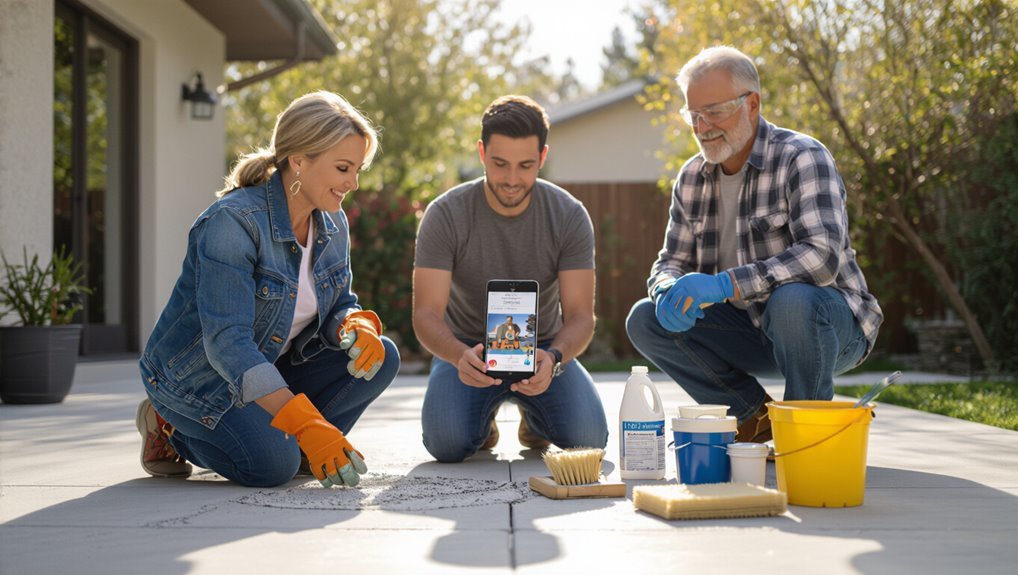
Anyone tackling leftover latex paint on a driveway, garage floor, patio, or concrete step will find this guide useful.
You’ll learn practical paint removal techniques tailored to different stains and curing stages, along with safe product choices and tool use.
You’ll also get clear steps for concrete surface care, preventing damage while restoring appearance, and knowing when to call a pro.
Quick Fix: Remove Fresh Latex Paint From Concrete Now
If you catch latex paint while it’s still wet, act fast to prevent it from bonding to the concrete.
Grab a stiff brush or scrub pad, warm water, and dish soap, and scrub the spot until the paint lifts.
Rinse thoroughly and repeat as needed before the paint starts to skin over.
Act Fast
When latex paint’s still wet on concrete, act fast to prevent it from bonding and soaking in; grab a plastic scraper or a stiff brush and start lifting as much as you can before it sets.
You’ll interrupt paint drying and reduce cleanup.
Prioritize surface preparation: clear debris, protect surrounding areas, and work outward from the stain so you remove fresh paint efficiently without spreading it.
Scrub With Soap
Grab a bucket of warm water, dish soap, and a stiff brush—these simple tools will remove fresh latex paint before it bonds to the concrete.
Wet the spot, apply effective soaps, and use firm scrubbing techniques in short, overlapping strokes.
Rinse frequently, reapply soap as needed, and scrub until the paint lifts.
Dry and inspect; repeat for stubborn spots.
Decide: DIY or Hire a Pro?
Wondering whether you should tackle latex paint removal yourself or call a pro?
You’ll weigh DIY Costs against time, tools, and risk. If you’re confident, have proper gear, and want savings, do it yourself.
Hire someone for faster, safer results when Professional Experience matters, complex surfaces exist, or you prefer guaranteed cleanup and liability coverage.
Identify Paint Age: Fresh Spill or Old Stain?
Because how you tackle removal depends on it, first figure out whether the paint is a fresh spill or an old stain.
Check paint characteristics and surface texture to decide speed and solvents.
Then:
- Scrape glossy wet spots; fresh paint lifts easily.
- Blot softness; solvent may work.
- Probe brittle flakes; likely old.
- Note deep penetration into pores for long-aged stains requiring stronger methods.
How Paint Type, Sheen, and Finish Change Removal Steps
Different paint types react to removers and scraping differently, so you’ll need to match your method to whether it’s pure latex, acrylic-latex, or a blend.
Higher sheens like semi-gloss or satin often bond tighter and may need stronger cleaning or more mechanical action than flat finishes.
Also consider the concrete’s texture and sealers—smooth, sealed surfaces release paint easier than rough, porous ones.
Paint Type Effects
When you’re removing latex from concrete, the paint’s type, sheen, and finish change which products and techniques will work best; flat and matte paints soak in and often need more aggressive abrasion, while semi-gloss and gloss form a tougher surface film that responds better to solvents and mild stripping agents.
- Identify paint properties and substrate penetration.
- Expect deeper removal challenges with porous finishes.
- Use abrasives for absorbed, flat paints.
- Lean on solvents/chemical strippers for film-forming sheens.
Sheen And Removability
Sheen affects how paint bonds to concrete and how you’ll remove it: high-gloss and semi-gloss paints form a hard, continuous film that solvents and mild strippers can soften, while flat and matte finishes tend to penetrate pores and need more mechanical abrasion or stronger, longer-acting removers.
You’ll assess sheen impact, choose appropriate removal techniques, and adjust contact time and agitation accordingly.
Finish Surface Interaction
1 key factor that changes how you’ll strip paint is the finish: paint type, sheen, and surface texture dictate your approach.
You’ll assess finish surface interaction and paint adhesion effects to pick solvents, pressure, or sanding.
Follow steps by finish:
- Smooth glossy: test solvent.
- Satin: use gentle pressure.
- Flat/matte: scrape then wash.
- Textured: low-pressure blasting, repeat.
Safety Essentials: PPE and Ventilation for Concrete Work
Because concrete prep and paint removal stir up dust and fumes, you should protect yourself with the right personal protective equipment and guarantee good ventilation before you start work.
Follow PPE guidelines: wear N95 or P100 respirator, safety goggles, gloves, and durable clothing.
Use ventilation strategies like cross-ventilation, fans, and, indoors, exhaust blowers to move contaminants out and keep air fresh.
Environmental Precautions for Outdoor Concrete Cleaning
When you clean paint off outdoor concrete, you’ll need to contain runoff to keep chemicals from washing into storm drains or soil.
Set up barriers or absorbent materials to channel and capture wash water.
Keep nearby plants covered or water them beforehand so they’re less likely to absorb contaminants.
Contain Runoff
Before you start rinsing, set up barriers to keep paint, cleaners, and dirty water from flowing into storm drains, soil, or nearby plants.
- Use berms or absorbent socks for paint containment.
- Direct water to a temporary collection pit or portable tank.
- Patch drains and cover with weighted tarps.
- Collect and dispose of contaminated water per local runoff management rules.
Protect Nearby Vegetation
After you’ve contained runoff, turn your attention to nearby plants so cleaning agents and diluted paint don’t harm them.
Cover shrubs and flowerbeds with plastic sheeting, secure edges, and divert wash water away.
Remove or bag potted plants temporarily.
Rinse protective coverings carefully and dispose of contaminated water per local guidance to preserve plant protection and maintain soil health.
Tools for Removing Latex Paint From Concrete
If you want to tackle latex paint on concrete effectively, you’ll need the right tools: a stiff-bristled push broom or wire brush for loosening dried paint, a scraper or putty knife for lifting chips, a pressure washer or garden hose with a high-pressure nozzle for rinsing, and protective gear like gloves and eye protection.
- Stiff brush
- Scraper/putty knife
- Pressure washer/nozzle
- PPE and tarps
Use paint removal techniques and eco friendly options when choosing cleaners.
Household Cleaners That Work on Fresh Latex Paint
When latex paint is still wet, you can remove it with common household cleaners before it sets into the concrete pores.
Blot excess with paper towels, then use a sponge with mild dish soap, diluted vinegar, or rubbing alcohol for targeted scrubbing. These household solutions aid paint removal without harsh chemicals.
Rinse area, repeat as needed, and dry to prevent residue.
Commercial Removers: What to Look For
Once household cleaners can’t lift dried or deeply set latex, you’ll need a commercial remover designed for concrete—these products have stronger solvents and additives that penetrate pores and break down binders.
- Look for labels specifying concrete-safe formulas and appropriate dwell time.
- Choose commercial paint removers with low VOCs when possible.
- Check for eco friendly options and biodegradability.
- Confirm safety gear and clear instructions.
How to Spot-Test a Cleaner Without Damaging Concrete
Because concrete can vary in porosity and finish, you should always spot-test a cleaner on an inconspicuous area before treating the whole stain.
Use small test methods: apply a dime-sized amount, wait the recommended time, then rinse and inspect for discoloration or etching.
Record results and compare cleaner compatibility with your concrete type before proceeding to larger areas.
Removing Wet or Tacky Latex Paint From Concrete
Act quickly to remove wet or tacky latex paint from concrete, since fresh paint wipes away far easier than dried paint and won’t require aggressive solvents or scraping.
Act quickly—wet latex paint wipes away easily from concrete, avoiding harsh solvents or scraping later.
- Blot excess with paper towels, avoiding spread.
- Rinse with warm soapy water, scrub gently.
- Use a damp microfiber pad for stubborn spots.
- Rinse thoroughly and let dry to check for complete latex paint removal and concrete surface preservation.
Scraping Techniques That Protect Concrete Surfaces
Start by choosing the right tools and working slowly to lift dried latex without gouging the concrete. Use plastic scrapers, putty knives with blunt edges, or a rubber-edged scraper and keep the blade shallow.
Test scraping methods on a hidden spot, apply steady low-angle pressure, and clear loosened flakes frequently. That surface protection prevents chipping and preserves concrete finish.
Using Soap, Water, and Scrubbing for Recent Spills
Tackle fresh latex spills quickly with a mix of warm water, mild dish soap, and a stiff nylon brush to prevent the paint from bonding to the concrete.
- Wet the area, apply soap, and let it sit briefly for soap effectiveness.
- Scrub firmly with short strokes using fresh paint techniques.
- Rinse with clean water and repeat if needed.
- Blot excess with a microfiber cloth.
How to Use a Pressure Washer Safely on Painted Concrete
If scrubbing and rinsing haven’t removed stubborn latex stains, a pressure washer can finish the job more quickly—just use it carefully to avoid damaging the concrete or stripping nearby paint you want to keep.
Start with low pressure settings, test a small area, and increase only as needed.
Choose appropriate nozzle types (25° or 40°) and keep the wand moving to prevent etching.
Using Rubbing Alcohol or Denatured Alcohol on Small Spots
When you’ve got a small blob of latex paint on concrete, rubbing alcohol or denatured alcohol can dissolve the film without the abrasiveness of solvents like acetone.
- Moisten a cloth with rubbing alcohol, blot the spot.
- Scrub gently with a nylon brush.
- Rinse and repeat if residue remains.
- Wear gloves and ventilate; denatured alcohol vapors can irritate.
Apply Biodegradable Paint Strippers for Set-In Latex
When small spot cleaning won’t cut it, you’ll want to pick a biodegradable stripper labeled for latex and concrete to minimize environmental impact.
Apply it with a brush or roller in a well-ventilated area, follow the manufacturer’s dwell time, and wear gloves and eye protection.
Rinse thoroughly with water and a stiff brush, disposing of runoff according to local guidelines.
Choose Eco-Friendly Stripper
Because set-in latex can be stubborn, pick a biodegradable stripper designed for water-based paints so you remove the finish without harming plants, pets, or ventilation.
Choose eco-friendly options and biodegradable solutions that match concrete. Consider these factors:
- Active ingredient suitability
- Concrete porosity
- Residue cleanup ease
- Environmental certifications
Safe Application Techniques
1. You’ll apply biodegradable paint stripper carefully: wear protective gear, use safe tools, and test a small area first. Work with ventilation and avoid runoff. Follow product dwell times, then gently agitate and rinse.
| Step | Tool | Tip |
|---|---|---|
| Prep | Brush | Test spot |
| Apply | Scraper | Don’t oversaturate |
| Rinse | Hose | Contain runoff |
Using Poultices and Absorbents for Stubborn Stains
If a brush and solvent can’t lift old latex, try a poultice or absorbent to draw the pigment out of the concrete’s pores. These mixtures—made from an absorbent base like talc, diatomaceous earth, or baking soda combined with a solvent or soap solution—pull and trap paint particles so you can scrape or vacuum them away.
When solvents fail, use a poultice—absorbent powder plus solvent—to draw old latex from concrete pores.
- Choose poultice materials by stain depth.
- Mix paste for absorbent techniques.
- Apply, cover, and let dwell.
- Remove, rinse, repeat as needed.
Mechanical Methods: Grinding, Shot Blasting, and Sanding
When you use mechanical methods like grinding, shot blasting, or sanding, pick the right tools and protective gear for the job—diamond grinders, abrasive discs, or a shot blaster depending on the paint thickness.
You’ll need respiratory protection, eye and ear protection, and measures to contain and collect dust.
Plan for dust control and cleanup before you start so you don’t spread hazardous particles around the area.
Tools And Equipment
Mechanical methods like grinding, shot blasting, and sanding use power and abrasion to strip latex paint from concrete quickly.
So you’ll need the right tools and safety gear to do the job effectively. Choose equipment that matches scale and favors paint removal techniques and eco-friendly solutions.
- Angle grinder with diamond cup
- Shot blaster
- Floor sander
- HEPA vacuum and brushes
Safety And Dust Control
Since grinding, shot blasting, and sanding kick up a lot of hazardous dust and debris, you’ll need a clear plan for protecting yourself and anyone nearby. Wear PPE, use HEPA vacuums, and isolate the area. Follow these safety measures and maintain strict dust management.
| Task | PPE | Controls |
|---|---|---|
| Grind | Respirator | HEPA vacuum |
| Blast | Goggles | Containment |
| Sand | Gloves | Wetting |
Heat Guns and Infrared Devices: When to Use Them
If you’re dealing with stubborn latex paint patches that won’t budge with scraping or chemical strippers, a heat gun or infrared device can speed the job by softening the paint so you can remove it cleanly without excessive abrasion.
Use heat gun techniques and note infrared device advantages as you decide.
Try heat-gun methods and compare infrared benefits to choose the gentlest, most efficient paint removal approach.
- Work in small areas.
- Keep moving the tool.
- Scrape softened paint gently.
- Ventilate and wear protection.
Muriatic Acid: When to Use It – And When Not To
When you’re facing paint that won’t come off with scrapers or strippers, muriatic acid can dissolve stubborn latex residues quickly—but it’s a powerful chemical that you should only use in specific situations.
Use it on bare, cured concrete with full PPE, ventilation, and neutralizing rinse.
Prioritize muriatic acid safety: test small areas, avoid plants, and consider muriatic acid alternatives if you lack controls.
Eco-Friendly Alternatives to Harsh Chemical Removers
Although harsh chemicals work fast, you don’t have to damage the environment or your driveway to remove latex paint. Use biodegradable options and natural solvents that soften paint without toxic runoff.
Try these approaches:
- Citrus-based cleaner and scrubbing.
- Baking soda paste with a stiff brush.
- Hot water pressure rinse plus eco detergent.
- Biodegradable paint stripper for small spots.
Step-by-Step: Remove Large-Area Latex Spills
First, check how thick the latex layer is so you know whether scraping or softening will be needed.
Put on gloves, eye protection, and a mask before you start to avoid fumes and splatter.
For large areas, you’ll usually finish by removing the softened paint with a pressure washer.
Assess Paint Thickness
Start by gauging how much paint you’re dealing with: run your hand (wearing a glove) over different spots to feel for thickness and look for areas where paint pooled or formed ridges.
Use paint thickness analysis and simple measurement techniques to plan removal.
- Note thin vs. thick zones.
- Mark pooled areas.
- Estimate volume per area.
- Prioritize thick ridges.
Prepare Safety Gear
Before you touch a single tool, gather protective gear so you won’t have to stop once you begin cleanup.
Put on chemical-resistant gloves, eye protection, and a respirator rated for organic vapors if solvents are involved. Wear long sleeves, pants, and sturdy shoes.
Lay down waterproof covers for nearby surfaces. These safety gear and protective measures minimize exposure and let you work efficiently and confidently.
Remove With Pressure
Grab a pressure washer or hose with a high-pressure nozzle and position yourself so water runs away from areas you want to keep clean.
Use controlled pressure techniques to lift paint without damaging concrete; focus, keep wand moving, and rinse residue thoroughly for surface preservation.
- Test a small area.
- Start low pressure.
- Increase gradually.
- Finish with a wide rinse.
Step-by-Step: Remove Small Splatters and Drips
Work methodically to soften and lift small latex paint splatters so you don’t damage the concrete.
Wet the spot, apply a mild cleaning solution or diluted dish soap, then gently scrub with a nylon brush.
Wet the spot, add mild cleaner or diluted dish soap, then gently scrub with a nylon brush until clean.
For stubborn drips, use a plastic scraper and repeat cleaning solutions or a citrus-based remover.
Rinse, dry, and repeat until the surface is clean and undamaged.
Removing Paint From Textured or Stamped Concrete
Textured and stamped concrete trap paint in grooves and raised patterns, so you’ll need to use gentler, targeted methods to avoid damaging the finish while fully lifting the color.
- Test a mild remover on a hidden area; use textured techniques like soft-bristle brushing.
- Apply poultices to stained recesses on stamped surfaces.
- Rinse gently with low-pressure washer.
- Repeat spot treatments until paint lifts.
Dealing With Paint in Concrete Pores and Hairline Cracks
If you’ve cleared paint from grooves and stamps, the next challenge is paint that’s soaked into concrete pores or settled in hairline cracks—these areas hold pigment tightly and won’t respond to surface scrubbing. You’ll need targeted paint penetration methods and focused crack treatment: small brushes, nylon picks, poultices, or mild chemical gels applied, agitated, and rinsed until pigment lifts.
| Tool | Use | Caution |
|---|---|---|
| Brush | Agitate pores | Gentle |
| Poultice | Draw pigment | Test first |
| Gel | Soften paint | Ventilate |
How to Remove Latex Paint From Garage Floors Specifically
Before you start, confirm the paint is latex and note any stubborn spots that might need stronger treatment.
Clear and protect the area—move cars, sweep, and mask nearby surfaces so cleaners don’t cause damage.
Then pick a remover or method suited to garage concrete, from soap-and-water scrubbing to a poultice or a commercial latex stripper.
Assess Paint Type
Start by identifying whether the paint on your garage floor is true latex (water-based) or an oil-based enamel, because the removal method you choose depends on that.
You’ll note paint characteristics and predict removal challenges. Check sheen, smell, and solvent reaction.
Then:
- Test with water.
- Try rubbing alcohol.
- Scratch a small spot.
- Note adhesion and age.
Prep The Area
1. Clear the garage: remove vehicles, tools, and debris so you can inspect paint adhesion and concrete texture.
Sweep and vacuum loose dust, then degrease oil spots—solvents can affect adhesion tests.
Use painter’s tape and plastic to protect walls, trim, and drains.
Open windows and ventilate.
Wear gloves and eye protection; keep a fire extinguisher nearby for safety.
Use Appropriate Removers
With the area prepped, you can focus on selecting the right remover for latex paint on garage floors.
Choose based on remover effectiveness, safety, and cleanup. Consider eco-friendly options if ventilation is limited.
- Citrus-based gels for mild spots
- Biodegradable solvents for larger patches
- Mechanical scrubbing with detergent
- Heavy-duty commercial stripper for stubborn layers
Removing Paint From Driveways and Outdoor Patios
When paint splatters or a missed brush stroke mars your driveway or patio, you can usually remove latex paint without replacing the concrete; the key is choosing the right method for the paint’s age, thickness, and the surface texture. You’ll protect finish with gentle scraping, pressure washing, or a biodegradable remover suited for driveway maintenance and patio care.
| Method | Best for |
|---|---|
| Scrape | Thick spots |
| Pressure wash | Fresh spills |
| Remover | Stubborn stains |
Cleanup and Neutralizing After Chemical Treatments
After using chemical removers or strippers, rinse the area thoroughly to remove residue and neutralize any remaining active agents; you’ll prevent surface damage and protect plants and pets by flushing away contaminants promptly.
- Wear gloves and eye protection for safe chemical residue management.
- Use low-pressure water to avoid driving residues deeper.
- Apply appropriate neutralization techniques per product instructions.
- Collect runoff and dispose per local hazardous-waste rules.
Repairing Surface Damage After Aggressive Removal Methods
Rinse and neutralize residue first, then assess the concrete for gouges, etching, or thin spots left by aggressive strippers or mechanical scraping.
You’ll choose surface repair techniques like patching with polymer-modified mortar for deep damage or feathering with cementitious skim coats for shallow etching.
After smoothing, consider concrete finishing options — broom, trowel, or exposed aggregate — to match surrounding texture.
Restore and Reseal Concrete After Paint Removal
Seal the surface to protect your repairs and restore durability; you’ll want to choose a breathable sealer that suits the concrete’s location and finish.
Apply it evenly, and let it cure fully before regular use.
- Inspect for residual damage and complete concrete restoration.
- Clean with pH-neutral wash.
- Evaluate resealing options: penetrating vs. film-forming.
- Apply sealer, follow cure times, then monitor performance.
Preventive Measures to Avoid Future Paint on Concrete
To keep paint off your concrete, use heavy-duty protective drop cloths whenever you’re painting nearby.
Seal exposed concrete with a good-quality sealer so spills don’t soak in and become permanent.
Also designate specific painting zones to contain messes and make cleanup easier.
Use Protective Drop Cloths
When you’re painting, lay down sturdy drop cloths and secure their edges so drips and tracked paint never reach the concrete; doing this simple step prevents most cleanup headaches and preserves the surface.
- Choose drop cloths types for durability and absorbency.
- Plan proper placement before you start.
- Overlap seams and tape edges.
- Replace or wash cloths after heavy use to avoid transfers.
Seal Concrete Surfaces
You can take one more step after laying drop cloths: protect the concrete itself by applying a clear sealer.
Choose durable concrete sealing methods—penetrating sealers or acrylics—that repel paint and simplify future cleanup.
Apply thin, even protective coatings per manufacturer instructions, curing fully before painting nearby.
Regular reapplication keeps surfaces stain-resistant and reduces the need for aggressive paint removal later.
Designate Painting Zones
A clear, well-marked painting zone keeps paint off concrete and makes cleanup faster: lay out drop cloths, tape perimeter lines, and set boundaries with cones or temporary barriers so painters know where they’re allowed to work.
- Mark designated areas clearly.
- Use durable drop cloths.
- Post paint precautions signs.
- Assign a supervisor to enforce limits and tidy spills promptly.
Best Drop Cloths and Masking for Protecting Concrete
Because concrete soaks up drips and spills fast, you’ll want heavy-duty protection under and around your work area; choose drop cloths and masking that resist paint, stay put, and shield seams.
Use canvas types for durability and textured grip, polyethylene or reinforced paper for waterproof protective barriers, and non-slip tape to secure edges.
Replace soaked cloths promptly to prevent bleed-through and staining.
Cost Comparison: DIY Supplies Versus Professional Removal
When weighing whether to tackle paint removal yourself or hire a pro, consider both upfront costs and hidden expenses:
DIY kits, scrapers, rental grinders, and protective gear typically run much cheaper initially, but they can add up if you need special chemicals, multiple passes, or replace stained tools.
Professionals charge more per hour but bring specialized equipment and speed that often reduce total time and risk of damage.
- Compare DIY Supplies prices vs labor.
- Factor rental and disposal fees.
- Estimate repeat-treatment likelihood.
- Weigh warranties and Professional Services value.
Signs You Need to Call a Professional Paint Remover
If the paint covers large areas of your concrete, you’ll save time and get better results by calling a professional.
You should also contact a pro if stubborn paint has left persistent odors that won’t go away after cleaning.
These signs usually mean the job needs stronger equipment and expertise than typical DIY methods offer.
Extensive Paint Coverage
Assess the situation carefully: extensive paint coverage—large swaths of dried latex across driveways, sidewalks, or entire garage floors—usually means this job is beyond DIY.
You’ll face extensive coverage challenges and need effective removal techniques a pro provides.
Consider hiring when:
- Coverage spans large contiguous areas.
- Paint is multi-layered or thick.
- Surface is textured or damaged.
- Time, tools, or safety gear are limited.
Persistent Stain Odors
Because lingering paint smells can signal deep penetration into porous concrete, you should consider a pro when odors persist after cleaning.
If you’ve tried ventilation, odor absorption techniques, and repeated washing without success, the smell may indicate chemical residues tied to paint stain longevity.
A professional paint remover has stronger solvents and equipment to extract embedded compounds safely, preventing recurring odors and further surface damage.
Questions to Ask a Contractor Before Hiring Them
Who’ll actually do the work and what’s their experience with removing latex paint from concrete?
Ask about contractor experience, certifications, and a clear project timeline.
Verify insurance and references.
Get a written estimate and warranty.
Confirm cleanup methods and disposal.
Trust transparent communication and written agreements.
Insist on clear, honest communication and written agreements to ensure expectations are met and work is documented.
- Experience
- Timeline
- Insurance
- Estimate
Common Mistakes to Avoid When Removing Latex Paint From Concrete
When you tackle latex paint removal on concrete, don’t skip testing methods on a small area first — using the wrong remover, too much pressure, or harsh chemicals can permanently damage the surface or surrounding landscaping.
Don’t believe common misconceptions or removal myths that faster equals better.
Wear PPE, avoid metal scrapers that gouge, and don’t neglect runoff control to protect plants and drains.
Quick-Reference Checklist for Safe, Effective Paint Removal
After avoiding common mistakes and testing methods, use this quick-reference checklist to keep the job safe, efficient, and repeatable.
Use this quick-reference checklist to keep paint removal safe, efficient, and consistently repeatable on every job.
- Wear PPE, ventilate, and contain debris before starting paint removal.
- Choose the right stripper or pressure setting for the surface and finish.
- Test a small area, follow dwell times, and agitate gently to protect concrete care.
- Rinse, neutralize, and inspect; repair etch or residue, then seal if needed.
Frequently Asked Questions
Can Leftover Paint Chips Contaminate Groundwater Near Treated Concrete?
Yes — if you don’t manage paint disposal, leftover paint chips can leach chemicals and increase environmental impact, so you should collect chips, follow local disposal rules, and avoid washing them into drains or soil near groundwater.
How Long Before Resealing Concrete Is It Safe to Walk on the Area?
You can usually walk on resealed concrete after 24–48 hours; concrete drying varies, so check resealing timeline instructions and light-traffic guidance, and don’t fully load the surface until the sealer’s recommended cure time has passed.
Can Concrete Color Change Permanently After Paint Removal?
Yes — concrete can change color permanently after paint removal; imagine lighter patches where paint sealed pores. You’ll want color restoration techniques and surface treatment to even tones, and you’ll accept some variability despite best efforts.
Will Removing Paint Affect Warranties on Stamped or Decorative Concrete?
Yes — removing paint can void warranties if you alter surface treatments or use abrasive paint removal techniques that manufacturers prohibit; check warranty implications and approved paint removal techniques before you start, and document approvals to protect coverage.
Are Pets at Risk From Residues After Using Commercial Removers?
Yes — residues from commercial removers can harm pets, so you should follow paint removal safety measures, rinse thoroughly, ventilate, and keep pets away until surfaces dry; that protects pet health and prevents toxic exposure.
Conclusion
You’ve got the tools now to tackle latex paint on concrete—whether it’s a fresh spill or a stubborn stain. Act fast for best results: fresh paint is up to 90% easier to remove than cured paint, so quick action saves time and effort. If it’s old or widespread, consider a pro. Ask the right questions, avoid common mistakes, and follow safety steps to protect yourself and your surface for a clean, lasting finish.
