
How to Remove Stains From Tub: Easy Cleaning Methods That Work
You can remove tub stains fast by matching cleaner to stain and surface: use baking soda paste or mild dish soap for acrylic and fiberglass, gentle nonabrasives for porcelain, and vinegar or commercial descalers for hard-water rings; hydrogen peroxide helps organic stains and lemon freshens. Test a small area, scrub with a nonabrasive pad, rinse well, dry with a microfiber, and ventilate. Wear gloves and goggles. Follow up weekly to prevent buildup—keep going for tips on tougher stains and materials.
Quick Fix: Fastest Way to Remove Bathtub Stains
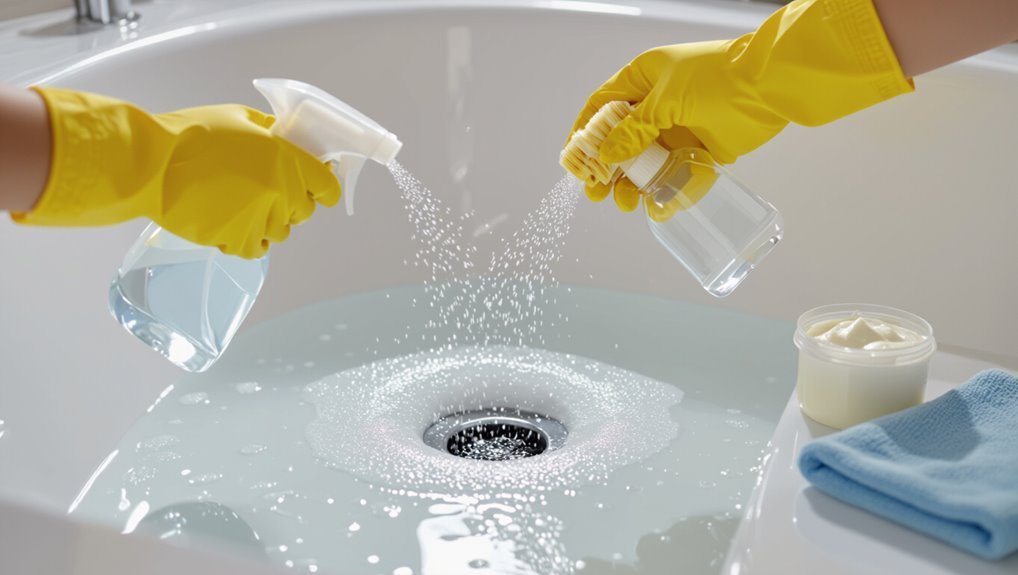
When you need a fast fix, grab baking soda and white vinegar — they cut through soap scum and light stains quickly and without harsh chemicals.
Sprinkle baking soda, spray vinegar, let fizz, then scrub with a soft brush. Rinse thoroughly.
Use this quick method regularly to aid stain prevention; adjust cleaning frequency based on use and water hardness to keep the tub bright.
Identify Your Stain: Rust, Soap Scum, Mildew, Hard Water, Mineral Deposits
Start by identifying what you’re looking at so you can choose the right cleaner.
Rust shows reddish-brown streaks, soap scum appears as dull, filmy residue, and hard water leaves chalky white or gray mineral rings.
Once you can spot those signs, you’ll know which method to use.
Identify Rust Stains
Not sure if that orange-brown mark is just grime or something more stubborn? You’ll know it’s rust if it’s reddish, flakes, or returns after cleaning. For rust removal use acidic cleaners or commercial rust removers; for stain prevention dry metal fixtures and fix leaks promptly.
| Sign | Color | Tip |
|---|---|---|
| Rust | Orange-brown | Act fast |
| Texture | Flaky | Use remover |
| Source | Metal | Prevent leaks |
Spot Soap Scum
If the orange-brown mark wasn’t rust, check for soap scum next—you’ll spot it as a filmy, chalky layer that builds where water and soap meet, often around faucet bases and tub edges.
You can scrub it with vinegar and baking soda, rinse thoroughly, and adopt soap scum prevention like squeegeeing after use.
Consider natural alternatives such as castile soap to reduce future buildup.
Detect Hard Water
Hard water leaves behind chalky, white or grayish flakes and streaks that feel gritty when you rub them. You’ll often see mineral rings around the tub, faucet aerators, and showerheads where calcium and magnesium concentrate.
To detect water hardness, test with strips or a kit, inspect fixtures for buildup, and note dullness or cloudy water. Those hard water effects confirm mineral deposits.
Know Your Tub Material (Acrylic, Porcelain, Cast Iron) and Why It Matters
Because each tub material reacts differently to cleaners and scrubbing, you should identify whether yours is acrylic, porcelain, or cast iron before treating stains. Know tub material types to match cleaning compatibility and avoid damage. Visualize differences:
| Smooth finish | Porcelain gleam |
|---|---|
| Lightweight | Acrylic flexibility |
| Heavy | Cast iron durability |
Safety First: Gloves, Eye Protection, and Ventilation
Before you start cleaning, put on chemical-resistant gloves to protect your skin and goggles to shield your eyes from splashes.
Open windows or run a fan so fumes from cleaners don’t build up.
Taking these simple precautions keeps you safe while you remove stains.
Wear Chemical-Resistant Gloves
Put on chemical-resistant gloves before you touch cleaners or scrub the tub—your skin isn’t meant to handle concentrated bleach, drain cleaners, or strong degreasers.
Choose glove types like nitrile for chemical resistance or neoprene for heavier solvents, and check for tears.
Follow safety precautions: clean gloves after use, replace compromised pairs, and avoid touching your face or phone while cleaning to prevent contamination.
Use Eye Protection
One simple step that protects your eyes is wearing splash-resistant safety goggles whenever you mix or apply cleaners—many household products can release fumes or spit when poured or stirred. You should pick proper cleaning goggles, fit them snugly, and clean them after use to maintain eye safety.
| Situation | Risk | Recommendation |
|---|---|---|
| Bleach | High | Wear goggles |
| Spray cleaners | Medium | Use goggles |
| Splashes | High | Seal fit |
| Rinsing | Low | Keep on |
Ensure Proper Ventilation
Because many tub cleaners release fumes, you should always ventilate the bathroom when you’re removing stains—open windows, run an exhaust fan, or crack the door to keep fresh air moving and fumes from accumulating.
You’ll protect your lungs by prioritizing ventilation importance: maintain steady air circulation during and after cleaning, and pause if you feel dizzy or lightheaded.
Tools You Need for Every Tub-Cleaning Job
Before you tackle stains, get your arsenal ready so cleaning goes fast and finishes well.
Gather gloves, scrub brushes, nonabrasive sponges, a microfiber cloth, a plastic scraper, and a sturdy bucket.
Keep a spray bottle for targeted application and a pumice stone for stubborn spots.
Store items together with your cleaning supplies to streamline tasks and support stain prevention.
Household Cleaners That Work: Vinegar, Baking Soda, Hydrogen Peroxide, Lemon
When stains resist your usual cleaner, reach for common household ingredients—vinegar, baking soda, hydrogen peroxide, and lemon—which each tackle grime differently and safely when used correctly.
Use vinegar for mineral rings, baking soda as a gentle abrasive, hydrogen peroxide for organic stains, and lemon for freshening and mild bleaching.
These natural cleaners help with stain prevention when you clean regularly and rinse thoroughly.
When to Use Commercial Removers and Which Types to Choose
If home remedies don’t shift a stubborn stain, it’s time to contemplate commercial removers tailored to the job.
When tough stains resist home cures, consider a commercial remover designed for the specific surface and stain type.
You’ll choose based on surface material and stain type: bleach-based for mold/mildew, oxygen cleaners for organic stains, and solvent-based for rust or hard-water deposits.
Check labels for compatibility and ventilation needs.
Compare commercial options, prioritizing stain effectiveness and safety for your tub finish.
Remove Soap Scum From Bathtub (Vinegar + Microfiber)
One simple, effective way to tackle soap scum is to spray white vinegar on the tub, let it sit for a few minutes to break down the residue, then wipe with a damp microfiber cloth—no harsh chemicals needed.
You’ll notice vinegar benefits in cutting grease and residue while microfiber effectiveness lifts particles without scratching.
Rinse, dry, and repeat for stubborn areas.
Remove Hard Water Stains From Bathtub (Vinegar or CLR)
Soap scum and hard water deposits can look similar, but hard water leaves mineral rings that need a different approach.
You can spray white vinegar, let it sit 15–30 minutes, then scrub with a nonabrasive pad to test vinegar effectiveness.
For stubborn buildup, use CLR per label instructions—rinse well.
Always ventilate, wear gloves, and spot-test to avoid surface damage.
Remove Rust Stains Without Scratching the Tub
When rust shows up, you can tackle it with gentle acids like diluted vinegar or lemon juice to break the stain without harming the finish.
Use soft cloths or non-scratch pads and work in small sections so you don’t need to scrub aggressively.
Wear gloves and rinse thoroughly to protect both the tub and your skin.
Gentle Acid Options
Although rust can seem permanent, gentle acids break down iron deposits without scratching most tub finishes.
You can use lemon juice on a soft cloth for small spots, or try vinegar alternatives like diluted citric acid for tougher stains.
Apply, let sit briefly, then rinse and wipe. Test a hidden area first, and avoid abrasive scrubbing to protect the finish.
Protective Cleaning Techniques
Once you’ve broken up rust with a gentle acid, protect the tub finish by using soft tools and careful motions—microfiber cloths, nonabrasive sponges, and soft-bristled brushes will lift residue without scratching.
Wear protective gear like gloves and eye protection, work in ventilated areas, and rinse thoroughly.
Use gentle cleaning techniques, test a small area first, and repeat short, controlled passes until stains fade.
Remove Mildew and Mold From Grout and Caulk
Because grout and caulk trap moisture, mildew and mold can take hold quickly.
However, you can remove them effectively with the right cleaners and a bit of elbow grease. Scrub affected grout with a brush and a bleach or hydrogen peroxide solution, rinse, and dry thoroughly.
Seal joints after drying for mold prevention and regular grout maintenance to keep mold from returning.
Remove Yellow Bath Rings and Body-Oil Buildup
Scrub away yellow bath rings and greasy body-oil buildup with a targeted cleaner and a little elbow grease: these stains form where soap residue, oils, and minerals cling to the tub’s surface, and tackling them promptly makes removal much easier.
Scrub away yellow rings and greasy buildup with a targeted cleaner and a little elbow grease for faster removal.
- Apply paste cleaner to yellow ring causes.
- Let sit 10 minutes.
- Scrub with nonabrasive pad.
- Rinse; dry to aid body oil prevention.
Lift Brown Stains From Drains and Overflow
Start by inspecting the drain and overflow to identify whether the brown stains come from mineral buildup, rust, or organic residue.
If it’s surface-level grime, you can scrub with a baking soda paste (mix baking soda with a little water to form a spreadable paste).
Apply the paste, let it sit for 10–15 minutes, then scrub and rinse to lift the stains.
Inspect And Identify Source
Check the drain and overflow openings closely to determine whether the brown stains come from mineral buildup, rust, or organic residue; knowing the source tells you which cleaning method will work best.
- Note visible color and texture to classify stain sources.
- Smell for organic decay versus metallic odor.
- Probe with a flashlight for corrosion or scale.
- Record cleaning frequency to prevent recurrence and choose treatment.
Use Baking Soda Paste
A simple baking soda paste will lift most brown stains from drains and overflow without harsh chemicals, and you can make and apply it in minutes.
Mix baking soda with water to a thick paste, spread it over stained areas, and let it sit 15–30 minutes.
Scrub with a brush, rinse thoroughly, and repeat paste application for stubborn spots until the stain fades.
Clean Mineral Deposits Around Faucets and Jets
Minerals from hard water build up around faucets and jets, leaving white crusts that can clog aerators and dull finishes.
So you’ll want to tackle them regularly to keep water flowing and fixtures looking good.
- Soak a cloth in vinegar to loosen mineral buildup.
- Remove and rinse aerators for faucet cleaning.
- Brush jets with an old toothbrush.
- Wipe dry and polish to prevent return.
Remove Discoloration From Acrylic and Fiberglass Tubs Safely
If your acrylic or fiberglass tub has yellowing, gray streaks, or soap-scum discoloration, you can restore its appearance with gentle, nonabrasive methods that won’t dull or scratch the surface. Use mild dish soap, baking soda paste, or a diluted vinegar spray; rinse and dry. Focus on acrylic care and fiberglass maintenance to preserve shine.
| Step | Tip |
|---|---|
| 1 | Rinse |
| 2 | Apply paste |
| 3 | Gently scrub |
| 4 | Rinse again |
| 5 | Dry and buff |
Clean Porcelain and Enamel Tubs Without Damaging the Finish
When caring for porcelain or enamel tubs, use gentle, nonabrasive cleaners and soft tools so you don’t chip or dull the finish; harsh scrubbing pads, acidic chemicals, and bleach can etch the glaze and leave permanent marks.
- Rinse tub, remove soap scum with mild dish soap.
- Use baking soda paste for spots.
- Soft sponge or microfiber only.
- Dry and buff to maintain porcelain care and enamel protection.
Best Approach for Cast-Iron Tubs With Chipped Enamel
1 smart step is to assess the extent of the chipped enamel before you start repairs, because that determines whether you can spot-fix with an enamel repair kit or need professional refinishing; check for rust, loose flakes, and deep pits.
Then clean and dry the area so repairs bond properly.
For enamel restoration, use a matched kit, sand gently, apply primer and topcoat, and seal to aid stain prevention.
Clean Jetted Tubs and Remove Buildup From Jets
Because jets hide grime in tight spaces, you’ll want to clean them regularly to prevent odor, bacterial buildup, and reduced performance.
Jets trap grime in hidden crevices—clean them regularly to avoid odors, bacteria, and loss of performance.
For effective jet cleaning and buildup removal, follow these steps:
- Fill tub with warm water above jets.
- Add a cleaning solution recommended for jetted tubs.
- Run jets 15–20 minutes to loosen deposits.
- Drain, wipe openings, and run fresh water to rinse.
Eco-Friendly Stain Removal Methods That Avoid Harsh Chemicals
Looking for stain removers that won’t harm your skin or the environment?
Try eco friendly alternatives like baking soda paste, white vinegar sprays, and hydrogen peroxide for whitening. Apply, let sit, then scrub gently with a soft brush.
For stubborn marks, mix lemon juice with baking soda. These natural solutions cut grease and mildew without harsh fumes, preserving finishes and indoor air quality.
Fast Fixes for Renters: Non-Permanent Cleaning Solutions
If you liked the gentle, natural cleaners above, you’ll appreciate options that protect your deposit while leaving no permanent changes.
You can use renter friendly products and simple cleaning hacks to tackle tub stains without altering surfaces.
Try these quick, non-permanent fixes:
- Vinegar spray + microfiber wipe
- Baking soda paste, rinse thoroughly
- Magic eraser, test hidden spot
- Portable steam cleaner, gentle passes
Stain Removal on a Budget: Cheap Products That Work
You can tackle tub stains without spending much by using baking soda as a scrub and vinegar as a spray soak.
Sprinkle baking soda on the stain, scrub with a damp cloth or brush, then spray white vinegar and let it sit for several minutes to fizz away grime.
Rinse and repeat for tougher spots until the surface looks clean.
Baking Soda Scrub
One simple, inexpensive way to tackle tub stains is a baking soda scrub that lifts grime without harsh chemicals.
You’ll sprinkle baking soda, add water to form a paste, and apply with a sponge. Use gentle, circular scrub techniques to avoid scratching. Rinse and repeat for stubborn spots.
- Paste consistency
- Soft sponge
- Short scrubbing bursts
- Thorough rinse
Vinegar Spray Soak
Because vinegar’s acidity breaks down soap scum and mineral deposits, a simple vinegar-and-water spray followed by a short soak can loosen stains quickly without spending much.
You’ll enjoy vinegar benefits like deodorizing and mild bleaching.
Mix equal parts, use spray application to saturate stains, wait 15–30 minutes, then scrub gently and rinse.
Repeat for stubborn spots.
Use Poultices and Specialty Products When Scrubbing Fails
When scrubbing won’t budge a stubborn stain, reach for a poultice or a specialty cleaner designed for your tub’s material; these products draw out embedded discoloration or chemically break down deposits without excessive abrasion.
- Test on inconspicuous spot for poultice effectiveness.
- Follow label directions for specialty products.
- Apply, cover, wait recommended time.
- Rinse thoroughly and repeat if needed.
Prevent Stains: Daily and Weekly Maintenance Routines
You can prevent most tub stains with a simple daily wipe-down to remove soap scum and mineral deposits before they set.
Once a week, give the tub a deeper clean with a nonabrasive cleaner and a scrub to catch buildup you missed.
These quick routines cut down on stubborn stains and make occasional heavy cleaning much easier.
Daily Quick Wipe-Down
A two-minute wipe-down after each bath or shower keeps soap scum, body oils, and mineral spots from settling into stains.
You’ll stick to a simple daily maintenance cleaning schedule that prevents buildup and saves time.
- Squeegee walls and tub.
- Wipe fixtures with microfiber.
- Rinse shampoo residue.
- Air-dry with towel.
Weekly Deep Clean
After your quick daily wipe-downs keep fresh buildup at bay, set aside one thorough weekly session to tackle lingering soap scum, mineral deposits, and grout grime that a two-minute routine won’t remove.
Use a mild abrasive or enzyme cleaner, scrub edges and drains, rinse well, and dry.
This deep cleaning habit boosts stain prevention, prolongs finish, and catches trouble before it stains.
Long-Term Protection: Sealants, Waxes, and Tub Coatings
When you want stains to stay away for months or years, apply a protective finish like a sealant, wax, or specialized tub coating. These treatments create a durable barrier that repels grime and makes routine cleaning far easier.
You’ll appreciate sealant benefits and simple wax application. Choose products for your tub material, follow cure times, and reapply as recommended.
- Surface prep
- Product choice
- Application
- Maintenance
How Water Softeners Prevent Recurring Hard-Water Tub Stains
Because hard water leaves mineral deposits that bake onto tub surfaces, installing a water softener stops the problem at the source by replacing calcium and magnesium with sodium or potassium ions.
You’ll see far fewer white, chalky rings and filmy buildup because softened water doesn’t deposit those stubborn minerals.
You’ll reduce water hardness, cut cleaning time, and improve stain prevention so stains don’t keep recurring.
What to Do If Cleaning Damages the Tub Finish
If a cleaner strips or dulls your tub’s finish, don’t panic—you can often restore appearance or at least stop further damage by acting carefully and choosing the right repair steps.
- Rinse and neutralize residue, then dry.
- Assess damage; small scratches may buff.
- Use recommended finish restoration kits for enamel or acrylic.
- Schedule regular tub maintenance to prevent recurrence.
How to Test a Cleaner on a Small Area Safely
After you’ve rinsed and assessed any finish damage, it’s wise to check cleaners on an inconspicuous spot before treating visible stains.
Dab a small amount, wait a few minutes, then blot and rinse. Inspect for discoloration, softening, or residue to confirm cleaner compatibility.
If the test area looks fine, proceed with confidence; if not, choose a gentler product for stain removal.
Timing Tips: How Long to Let Cleaners Sit
When treating tub stains, let cleaners sit only as long as the label or a reliable guide recommends—you’ll get the best results without risking surface damage.
You’ll balance cleaner absorption and ideal dwell to dissolve grime efficiently.
Follow these timing tips:
- Start with label time.
- Increase slightly for stubborn spots.
- Don’t exceed max dwell.
- Rinse promptly and inspect.
Tools and Techniques to Avoid Scratching or Etching
When removing tub stains, use non-abrasive tools like soft sponges or microfiber cloths to protect the surface.
Always test cleaners on a small hidden area first to make sure they won’t etch the finish.
Use gentle, circular scrubbing motions rather than heavy pressure to lift stains without scratching.
Use Non-Abrasive Tools
1 simple rule will protect your tub’s finish: skip harsh scrubbing tools and choose non-abrasive implements instead.
You’ll avoid scratches by using soft options and sticking to gentle scrubbing. Prefer tools that lift grime without abrasion.
- Microfiber cloths
- Non abrasive sponges
- Soft-bristle brush
- Rubber squeegee
Test Cleaners First
Before you apply any cleaner broadly, test it on a small, hidden patch of the tub to make sure it won’t dull, etch, or discolor the finish.
After drying, inspect for changes and odor. Note how well it removes a sample stain to test cleaner effectiveness.
Repeat with another brand to compare cleaning products, then choose the gentlest option that works.
Soft Scrubbing Techniques
Start with soft, nonabrasive tools—microfiber cloths, soft sponges, or a nylon scrub pad—and apply gentle, circular motions so you lift stains without scratching the surface.
You’ll prefer soft scrubbers and gentle abrasives that clean, not etch.
Follow a simple routine:
- Rinse area.
- Apply cleaner.
- Scrub lightly.
- Rinse and dry.
Troubleshooting Stubborn Bathtub Stains That Won’t Come Out
When a stubborn bathtub stain refuses to budge, don’t panic—you can usually diagnose and fix the problem with a few targeted steps.
Inspect stain type, age, and surface; adjust stain removal techniques accordingly. Test a small area to gauge cleaning product efficacy.
Try repeated gentle abrasion, enzyme cleaners, or diluted bleach for organic marks. Rinse thoroughly and repeat only as needed.
When to Call a Professional Refinisher or Plumber
If you see cracks, chips that expose the substrate, or other visible structural damage, you should call a refinisher to prevent bigger problems.
If stains won’t budge after proper cleaning or they’re accompanied by surface pitting, a pro can evaluate whether reglazing is needed.
And if you’re dealing with slow drains, recurring clogs, or odd water behavior, call a plumber to address the underlying plumbing issues.
Visible Structural Damage
Cracks, chips, or missing pieces in your tub’s surface aren’t just cosmetic—they can let water reach the underlying structure and cause rot or mold, so call a professional refinisher or plumber as soon as you spot them.
You’ll want to address visible deterioration to protect structural integrity.
Consider professional help when you notice:
- Deep cracks
- Loose panels
- Persistent leaks
- Sagging floorboards
Persistent Stubborn Stains
Visible surface damage can hint at deeper problems, but stubborn stains that won’t budge after thorough cleaning point to a different issue: worn or compromised finish.
If your regular cleaning frequency and stain prevention efforts fail, call a professional refinisher to restore the surface.
You’ll avoid recurring discoloration and save time; hire a pro before the finish deteriorates further.
Plumbing Function Issues
When water pools, drains slow, or you notice persistent leaks around the tub, those are signs you should call a professional—either a refinisher if the finish is failing or a plumber if the problem’s mechanical.
You’ll want expert pipe maintenance and thorough drain cleaning for lasting fixes.
- Refinisher inspects finish
- Plumber diagnoses leaks
- Replace damaged pipes
- Schedule routine drain cleaning
How Much Time and Money Common Methods Take
Different stain-removal methods vary a lot in cost and time, so pick one that fits your schedule and budget: you’ll want a clear time estimation and basic cost analysis before starting.
DIY scrubs take 30–90 minutes and cost under $10; peroxide or vinegar methods need hours to sit but low expense.
Commercial cleaners save time but raise costs.
Quick Checklist: Step-by-Step Plan to Restore a Stained Tub
Start with a quick inspection to identify the stain type and its location, then gather supplies (gloves, scrub brush, cleaner, baking soda, vinegar or peroxide, rags, bucket) so you won’t stop mid-job.
- Pre-treat spot, let cleaner sit.
- Scrub gently, rinse thoroughly.
- Repeat for stubborn marks; dry completely.
- Schedule maintenance to maintain stain prevention and set cleaning frequency for lasting results.
Frequently Asked Questions
Can Toothpaste Remove Small Tub Scratches and Light Stains?
Yes — you can try toothpaste; its mildly abrasive toothpaste effectiveness helps with scratch removal and light stains on tubs, but it’s limited. You’ll need gentle rubbing, rinse thoroughly, and repeat or use stronger products if needed.
Will Bleach Damage Colored or Patterned Tubs?
Yes — bleach can damage colored or patterned tubs, so you’ll want tub material considerations first; try bleach alternatives like vinegar, baking soda, or oxygen-based cleaners, and test a hidden spot before treating the whole surface.
How Do Pets’ Baths Affect Tub Staining and Cleaning?
Right off the bat, you’ll find pet grooming oils and fur leave residue that speeds staining, so you should rinse promptly, use a pet-safe cleaner, and adopt stain prevention habits to keep your tub looking shipshape.
Can Vinegar Damage Metal Fixtures Over Time?
Yes, vinegar can cause metal corrosion over time, so you should avoid prolonged use on fixtures; instead, try cleaning alternatives like mild soap, baking soda paste, or commercial non-acidic cleaners to protect finishes.
Are Steam Cleaners Safe for All Tub Materials?
Not always — you should match steam cleaner types to your tub material and follow safety precautions. You’ll avoid damage by using lower-pressure, adjustable-steam models on acrylic, gentle settings on enamel, and avoiding high heat on laminate or porous stone.
Conclusion
You’ve got practical options to bring your tub back to life—just match the method to the stain and your tub material, wear gloves and ventilate, and don’t be afraid to call a pro if it’s beyond DIY. Remember Mrs. Patel’s tub: after months of brown rings, a targeted rust remover and gentle scrubbing restored her porcelain and her pride. Follow the checklist, take your time, and you’ll enjoy a cleaner, safer bath again.
