
Is Dried Spray Paint Toxic? Health and Safety Explained
Dried spray paint isn’t usually highly toxic to touch, but you shouldn’t be casual about it—flakes, dust, and residual solvents can release particles that irritate skin, eyes, and lungs or contain heavy metals in older paints. Avoid sanding without a respirator and eye protection, control dust with wet methods or a HEPA vacuum, and bag debris securely for disposal per local rules. Keep kids and pets away; keep going and you’ll learn how to test, protect, and dispose safely.
Quick Answer: Is Dried Spray Paint Toxic?
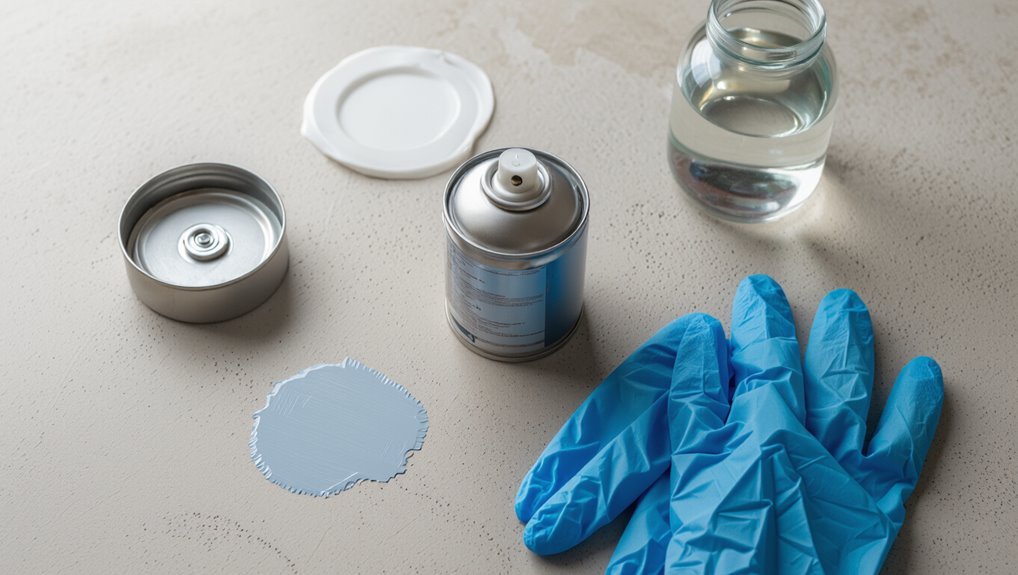
Quick answer: no, dried spray paint generally isn’t highly toxic to touch, but it can still pose health risks.
You shouldn’t assume it’s harmless—dust, flakes, or disturbed coatings can release particles. If you handle painted surfaces, wash hands, avoid inhaling dust, and ventilate work areas.
Be aware of potential long-term health effects and take simple precautions to reduce exposure.
Hazardous Ingredients That Persist After Drying
Even after paint feels dry, you can still get exposed to residual solvent vapors that slowly off-gas and irritate your lungs or eyes.
Tiny metal pigment particles, like lead or chromium in some formulations, can remain embedded in the film or flake off as dust.
You should be aware of both risks when sanding, scraping, or working near painted surfaces.
Residual Solvent Vapors
Why would dried spray paint still smell? You’re sensing residual solvent vapors from incomplete solvent evaporation; some solvents linger in layers or porous surfaces.
You should avoid prolonged inhalation because low-level exposure can cause headaches, dizziness, respiratory irritation, or worsen chronic conditions.
Ventilate, use masks with organic vapor cartridges during cleanup, and allow extended curing before occupying the area to reduce health effects.
Metal Pigment Particles
Besides lingering solvents, dried spray paint can still contain metal pigment particles that pose health risks.
You can inhale or ingest tiny flakes or dust, exposing yourself to metal toxicity from lead, cadmium, chromium, or copper-based pigments.
Handle painted surfaces carefully, wet-clean or HEPA-vacuum to minimize dust, wear gloves and a mask, and choose low-toxicity pigments to improve pigment safety.
How to Test Dried Paint for Heavy Metals or VOCs
Want to know whether that dried spray paint on your wall contains heavy metals or continues to off-gas VOCs?
Use simple testing methods and labs to confirm. Check options:
- Home test kits for heavy metals
- Portable VOC meters for off-gassing
- Send a sample to an accredited lab
- XRF screening for metal pigments
- Ask manufacturer for safety data sheets and analysis
Can Dried Spray Paint Harm Your Skin on Contact?
Curious whether dried spray paint can hurt you if it touches your skin? You’ll usually get mild skin irritation or, rarely, allergic reactions from pigments or additives. Wash gently with soap and water, avoid scrubbing off flakes, and see a doctor for persistent redness, swelling, or blistering.
| Contact | Likelihood | Action |
|---|---|---|
| Brief touch | Low | Wash |
| Prolonged | Medium | Clean + monitor |
| Visible rash | High | Seek care |
| Sensitive skin | Higher | Patch test |
Does Sanding Dried Spray Paint Create Toxic Dust?
When you sand dried spray paint you can release fine particles and old pigments that may be toxic if inhaled.
You should assume hazardous dust is possible, especially with lead-containing or solvent-based paints.
Wear a proper respirator, eye protection, and use wet sanding or a HEPA-equipped vacuum to control dust.
Toxic Particles Released
If you sand dried spray paint, you’ll often release fine particles into the air that can contain toxic metals, solvent residues, and polymer fragments depending on the paint’s formulation.
Those particles can be inhaled or settle on surfaces, posing health risks especially without proper ventilation or a respirator.
- Metals (lead, chromium)
- Solvent residues
- Polymer fragments
- Indoor contamination
- Environmental impact and toxic exposure
Necessary Protective Measures
1 clear rule applies: sanding dried spray paint will often create fine dust that can be toxic, so you should treat the task like working with any hazardous particulate—wear a properly fitted NIOSH-rated respirator (N95 at minimum, P100 for heavy sanding or older paints), use eye protection and gloves, work with good ventilation or outdoors, and contain the area to prevent dust spreading.
| Gear | Purpose |
|---|---|
| Respirator | Filter particles |
| Gloves | Protect skin |
| Protective clothing | Prevent contamination |
| Ventilation systems | Clear air |
| Eye protection | Shield eyes |
| Containment | Limit spread |
Respiratory Risks From Dried Spray Paint Dust
Because dried spray paint flakes and dust can release tiny pigment and binder particles into the air, you can inhale substances that irritate or harm your lungs.
Dried spray paint flakes can release fine pigment and binder particles you may inhale, potentially irritating or harming lungs
Take precautions and recognize symptoms:
- spray paint inhalation can trigger cough or shortness of breath
- dried paint particles may cause chronic irritation
- wear a respirator when sanding
- ventilate workspaces
- seek medical help for persistent symptoms
How Dried Paint Can Contaminate Soil, Water, and Wildlife
Beyond inhalation risks, dried spray paint can also harm the environment when flakes and dust leave your workspace and enter soil, waterways, or reach wildlife.
You may unknowingly cause soil degradation by altering pH and introducing heavy metals; runoff transports pigments into streams, affecting aquatic life.
You should be aware of wildlife impact—ingested flakes or contaminated prey can disrupt feeding, reproduction, and health.
Safe Handling and Cleanup of Dried Spray Paint
When you handle dried spray paint, take precautions to avoid spreading flakes and dust—wear gloves and a mask, work in a well-ventilated area or outdoors, and keep tools and surfaces contained to prevent contamination.
Follow these steps for cleanup and safe storage:
- Collect flakes with a damp disposable cloth
- Sweep gently with a dustpan
- Use HEPA vacuum for fine dust
- Bag waste securely
- Label and store containers safely
Protective Gear for DIYers and Controls for Professionals
You should choose a respirator and filters rated for organic vapors when sanding or removing dried spray paint.
For small DIY jobs a half‑mask with replaceable cartridges is usually sufficient, while professionals need fitted respirators and assigned protection factors.
Also make sure ventilation is controlled—use local exhaust or mechanical ventilation on jobs that generate dust or fumes.
Respirator And Filter Choices
If you’re working with spray paint—especially solvent-based or old lead-containing products—choose a respirator and filters that actually block the chemicals and particulates you’re exposing yourself to.
Pick respirator types and check filter ratings for solvent vapors and particulate removal.
Consider:
- NIOSH-certified half- or full-face
- Organic vapor cartridges
- P100 particulate filters
- Combination cartridges
- Proper fit testing and maintenance
Workplace Ventilation Controls
Although protective gear helps, controlling spray-paint fumes at the source is the most reliable way to keep yourself and others safe.
So prioritize ventilation strategies that match the job. For DIY, work outdoors or use cross-ventilation and a window fan.
Professionals should install local exhaust, inline filters, and make-up air systems.
Monitor air quality and maintain controls to reduce exposure.
Best Disposal and Recycling Options for Leftover Dried Paint
When leftover spray paint cans or dried paint chips pile up, it’s worth knowing the safest, most practical disposal and recycling routes so you don’t end up tossing hazardous materials in the trash.
You should:
- Use community recycling programs for empty cans.
- Check hazardous waste drop-off schedules.
- Dry and label fully before disposal.
- Seek eco friendly alternatives next time.
- Donate usable leftovers to local workshops.
When to Call a Professional or Your Local Health Authority
Wonder whether a situation calls for a pro or a call to your local health authority?
If you detect persistent odors, visible mold-like degradation, large-area contamination, or symptoms after exposure, that’s when to consult professionals.
Contact environmental cleanup services or public health if spills affect neighbors, water, or you suspect hazardous additives.
Follow local regulations for reporting and get documented guidance before remediating.
Quick Checklist: Reduce Exposure and Dispose Safely
If you’ve got dried spray paint in your home or workshop, start by isolating the area, ventilating well, and avoiding direct contact with the residues.
Follow this quick checklist for exposure reduction and safe disposal:
- Wear gloves and a respirator
- Keep kids and pets away
- Wet down dust lightly before sweeping
- Bag debris in sealed containers
- Check local hazardous waste rules for disposal
Frequently Asked Questions
Can Dried Spray Paint Affect Indoor Air Quality Months Later?
Yes—you can still be affected months later because paint particle dispersion and slow off-gassing can persist indoors; you’ll risk long term exposure if ventilation’s poor, so clean settled dust, ventilate, and use air filtration.
Can Pets Be Poisoned by Licking Painted Surfaces?
About 25% of household poisonings involve ingestion of household chemicals — yes, pets can be poisoned by licking painted surfaces. You should prioritize pet safety, avoid accessible painted areas, and clean or seal surfaces to limit paint toxicity.
Do Dried Spray Paints Emit Detectable Odors Over Time?
Yes — you’ll often notice faint smells because the chemical composition includes solvents that off-gas; odor persistence varies with formulation, ventilation, and surface, so you’ll still detect residual odor for days to months in some cases.
Is It Safe to Repurpose Furniture With Old Spray Paint?
Yes — you can, but 60% of DIYers underestimate fumes; you should prioritize furniture restoration, use proper paint removal, ventilate, wear a respirator and gloves, and test for lead or old coatings before refinishing.
Can Dried Spray Paint Damage Electronics or Sensors?
Yes — dried spray paint can damage electronics or sensors if it reduces spray paint adhesion around joints or covers exposed contacts, because electronics sensitivity means coatings can insulate, block cooling, or interfere with optical and capacitive functions.
Conclusion
You can’t assume dried spray paint is harmless — some pigments and binders stick around, some dust kicks up, and some particles can get into your lungs, skin, or the environment. Test if you’re worried, wear a mask and gloves, wet-sand or vacuum with HEPA to cut dust, and follow disposal rules. Protect yourself, protect others, and follow local guidance — reduce exposure, control dust, and dispose responsibly to keep everyone safer.
