
Is Flat Paint Good for Exterior Surfaces or Just a Common Mistake?
You can use flat paint on exteriors when you want a soft, low‑glare look that hides minor flaws, but you’ll trade off durability and stain resistance. It weathers faster, shows water marks and mildew, and needs better prep, primers, and more frequent touch‑ups than satin or semi‑gloss. For high‑contact trim, doors, or harsh climates, choose a higher sheen; for rustic or historic siding, flat can work if you’re ready for extra maintenance. More tips follow below.
Primary Search Intent and Best Format
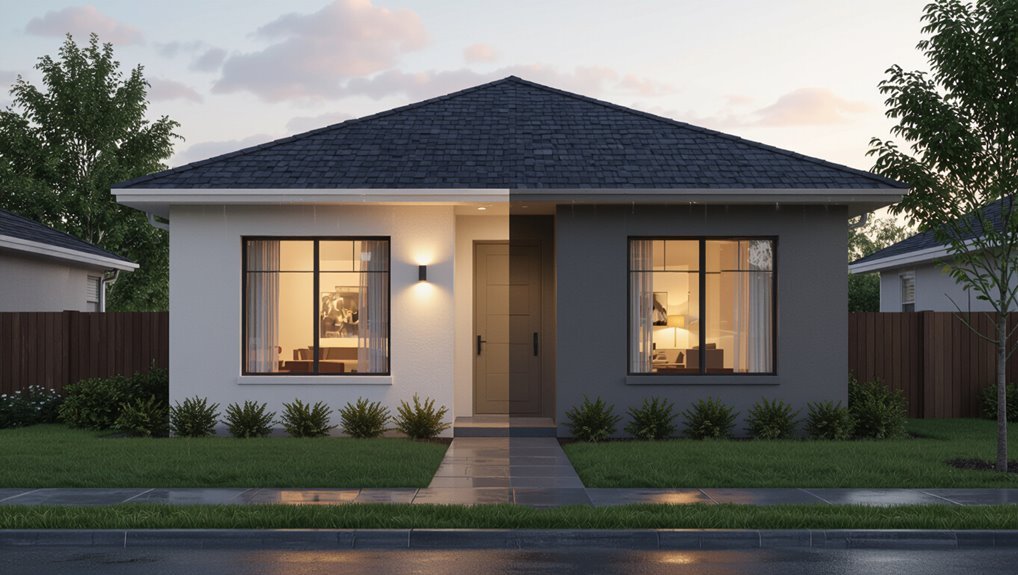
What’re people really looking for when they search “Is flat paint good for exterior surfaces”?
You want clear guidance on durability, maintenance, and aesthetic trade-offs.
Structure content with concise sections: ideal paint application tips, weather resistance, and a straightforward sheen comparison to glossier finishes.
Structure concise sections: application tips, weather resistance, and a clear sheen comparison to glossier finishes.
That way readers find quick recommendations, pros and cons, and when flat makes sense without wading through fluff.
Quick Answer: Is Flat Paint Good for Exteriors?
Flat paint can look great, but you’ll run into durability and moisture problems on many exterior surfaces.
It hides imperfections well yet stains, mildew, and washability are real concerns outdoors.
For longer-lasting results, consider satin, semi-gloss, or exterior-specific formulations instead.
Flat Paint Durability Concerns
Because matte finishes hide imperfections and look clean, you might assume they’re fine for every exterior surface—but durability is where they often fall short. You should weigh flat paint advantages against wear; flat paint myths can mislead you about scuff resistance. Consider location and traffic before choosing.
| Consideration | Impact |
|---|---|
| Abrasion | High |
| Sunlight | Moderate |
| Touch-ups | Easy |
| Longevity | Lower |
Moisture And Stain Issues
Having covered durability concerns, let’s look at how moisture and stains affect matte finishes on exteriors.
You’ll find flat paint offers poor stain resistance and can trap dirt unless you use proper moisture barriers and surface treatments.
During paint application, address environmental factors and prep thoroughly.
Expect more frequent maintenance routines to manage mold, efflorescence, and staining on matte surfaces.
Best Exterior Alternatives
If you want a low-maintenance, weather-resistant exterior, choose eggshell, satin, or semi-gloss over flat; they shed moisture and stains better, resist mildew, and clean more easily while still providing a pleasant appearance. Consider best finishes, sheen options, color choices, application techniques, surface types, weather factors, maintenance tips, aesthetic impact, primer selection, and cost analysis.
| Finish | Surface types | Maintenance tips |
|---|---|---|
| Eggshell | Wood, stucco | Wipe gently |
| Semi-gloss | Trim, doors | Scrubable, durable |
How to Decide: Appearance vs. Durability
How do you balance the calm, low-sheen look of flat paint against the practical need for weather resistance and cleanability?
You weigh aesthetic appeal and sheen preferences vs. maintenance challenges and color fading.
Consider surface imperfections, environmental factors, application techniques, and cost effectiveness.
Choose based on exposure, cleaning routine, and how much flaw-hiding you value versus long-term durability and ease of upkeep.
What “Flat Paint” Means for Exterior Use
When considering flat paint for exterior use, you’ll notice its matte, non-reflective finish hides surface imperfections better than glossier options.
Be aware that flat paint generally resists wear and weathering less effectively and may need more frequent touch-ups.
That makes thorough surface preparation—cleaning, repairing, and priming—essential before you apply it.
Flat Finish Characteristics
Because flat exterior paint has very low sheen, it hides surface imperfections and gives walls a smooth, muted look that many homeowners prefer.
You’ll notice flat paint benefits like color depth and minimal glare, but you should weigh flat paint drawbacks: it’s harder to clean and can show marks.
Choose flat where appearance matters over high-traffic practicality.
Durability And Weathering
Flat paint’s muted look can be appealing, but it performs differently under weather and wear than glossier finishes, so you’ll want to contemplate what that means for long-term durability.
You’ll need weather resistance strategies like breathable sealers and timely touch-ups, since flat films hide blemishes and absorb moisture.
Follow seasonal application tips to schedule recoats before extreme heat or freeze cycles to prolong life.
Surface Preparation Needs
If you plan to use a flat exterior paint, prepare the surface more thoroughly than you’d for glossier finishes: flat sheens don’t hide imperfections or repel moisture, so you’ll need to clean, repair, and prime carefully to get durable results.
Assess surface types, adjust cleaning techniques for weather conditions, choose primer choices and paint application for longevity factors, weigh finish selection, color options, aesthetic preferences, and follow maintenance tips.
How Flat Differs From Eggshell, Satin, and Semi-Gloss
When you’re choosing a finish, remember that sheen changes both appearance and performance: eggshell, satin, and semi-gloss each reflect more light than flat, which makes them easier to clean and better at hiding minor surface imperfections.
You’ll pick paint finishes based on durability and maintenance; higher sheen levels resist staining and scrub damage, while flat masks texture and touch-up seams more effectively.
Why Homeowners Choose Flat: Pros and Trade-Offs
Because it hides imperfections better than shinier finishes, many homeowners choose flat paint for exterior walls and trim, especially on older or textured surfaces; you’ll also appreciate its matte look for creating a subdued, uniform appearance.
You’ll weigh flat paint benefits like aesthetic appeal, low cost factors, surface compatibility, environmental impact, sheen comparison, application techniques, color selection, and maintenance tips against homeowner preferences.
Common Exterior Problems Flat Paint Struggles With
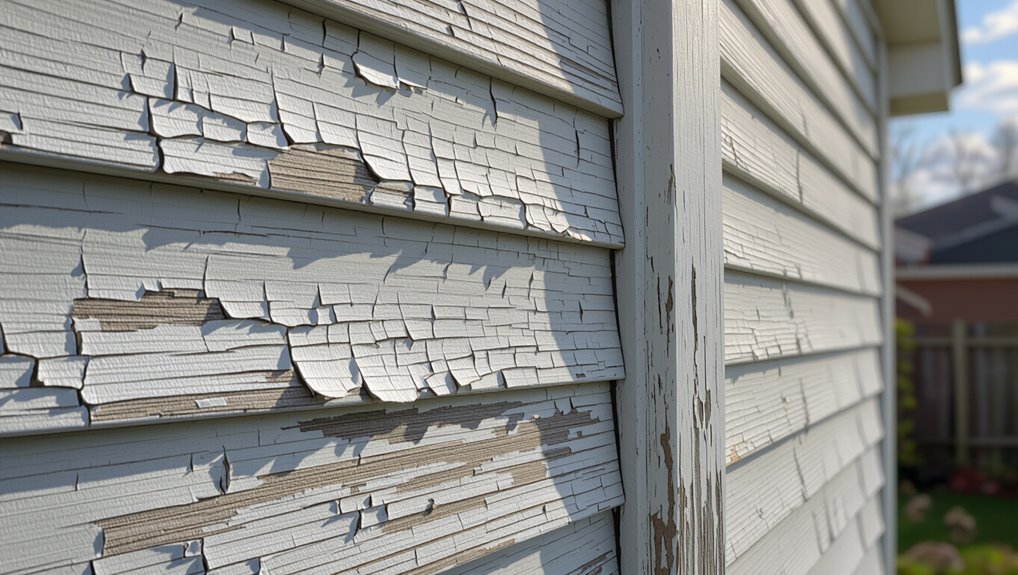
Although flat paint gives a clean, matte look, it struggles with several common exterior issues you’ll want to weigh before choosing it.
You’ll notice flat paint challenges with dirt pickup, staining, and poor abrasion resistance. It also hides minor imperfections but shows water marks and mildew growth more readily.
These exterior paint weaknesses make maintenance and longevity concerns you shouldn’t ignore.
How to Prevent and Fix Those Common Problems
To keep flat paint looking good, you’ll want to stop moisture from getting into the substrate, repair any peeling or blisters promptly, and treat mildew and stains before repainting.
Start by sealing gaps and using proper primers to prevent water penetration.
When problems appear, scrape or sand damaged areas, apply a mildew cleaner, and spot-prime before you repaint.
Prevent Moisture Penetration
If you want your exterior paint to last, preventing moisture penetration is essential—water that soaks into siding, trim, or masonry will lift paint, promote mold, and rot underlying materials.
You should install proper moisture barriers, flashings, and sealants, guarantee tight caulking at joints, and follow correct paint application on dry, clean surfaces.
Regular inspections catch issues early.
Fix Peeling And Blistering
When paint peels or blisters on your exterior, it’s usually a sign of trapped moisture, poor adhesion, or improper surface prep—so address the root cause before you redo the finish.
Scrape loose paint from peeling surfaces, sand edges smooth, and strip stubborn areas. Prime with a bonding primer and use compatible exterior paint.
Fix leaks, guarantee drying time, and repaint to prevent blistering paint recurrence.
Address Mildew And Stains
How do you keep mildew and stubborn stains from ruining your exterior paint?
You’ll start with mildew prevention: clean surfaces, trim foliage, and use mildew-resistant primers.
Choose paints with proven stain resistance and recoat high-risk areas.
Establish simple maintenance strategies—regular washing and prompt spot treatment—to protect finish and guarantee long-term exterior care without costly repairs.
Weather Effects on Flat Paint Performance
Because flat paint lacks the durable binder and sheen that shed water and resist abrasion, it shows weather-related wear more quickly than glossier finishes.
You’ll notice fading, chalking, and moisture absorption reduce weather resistance, so maintenance becomes more frequent.
Protect surfaces with proper prep and quality primers, since those steps help extend paint lifespan even though flat sheens remain more vulnerable to harsh sun, wind, and rain.
Flat Paint Durability: Expected Lifespan
Although flat paint can give a clean, modern look, you should expect a shorter exterior lifespan than with glossier finishes; typically, well-applied flat exterior paint lasts about 3–7 years depending on climate, surface prep, and coating quality.
You’ll weigh flat paint benefits like hiding surface flaws against durability limits.
Don’t buy into flat paint myths that it’s as long-lasting as satin or semi-gloss.
Moisture Resistance on Siding and Trim
Why does moisture behavior matter so much on siding and trim? You need coatings that repel water yet breathe, matching siding materials to paint permeability.
If you choose a flat finish, check substrate and installation details so trapped moisture doesn’t degrade boards or underlayers.
For trim finishes, prioritize adhesion and flexible coatings that tolerate expansion, preventing paint failure and timber rot.
Flat Paint and Mildew: Risks and Prevention
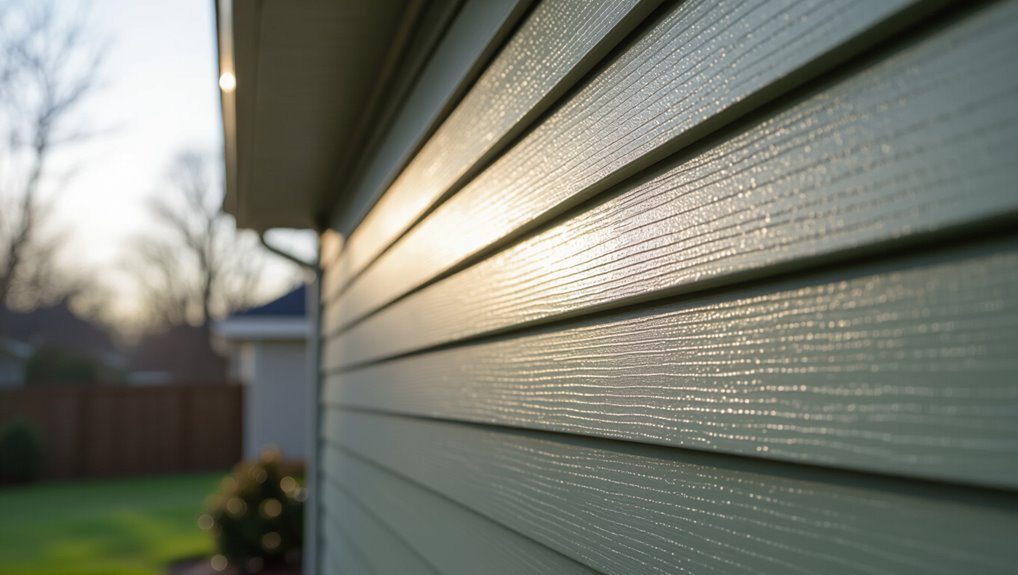
If you use flat paint on exterior surfaces, be aware it can hide and hold moisture that encourages mildew growth; flat sheens absorb and retain more water than glossier finishes, so mildew spores find them easier to colonize.
You should clean and dry surfaces, use mildewcide additives, guarantee proper ventilation and flashing, and choose breathable primers to aid mildew prevention and preserve paint longevity.
How Flat Paint Handles Dirt, Dust, and Stains
You’ll notice dirt and dust show up more quickly on flat paint and can build up over time, especially in high-traffic or windy areas.
Because flat finishes are more porous, they tend to absorb stains rather than let them sit on the surface.
That means cleaning and maintenance become more frequent and sometimes more challenging than with glossier paints.
Dirt Visibility Over Time
Over time, flat paint tends to show dirt, dust, and stains more readily than glossier finishes because its matte surface traps particles and won’t reflect light to hide imperfections.
You’ll notice dirt accumulation sooner, so surface maintenance matters: you’ll need regular gentle cleaning, periodic touch-ups, and preventive measures like landscaping and drip guards to minimize visible grime and keep the exterior looking fresh.
Stain Absorption Tendencies
Flat paint soaks up oils, grime, and water-based stains more readily than eggshell or satin because its porous, matte finish lacks the protective film that helps repel contaminants.
You’ll notice different stain types—grease, pollen, mildew, splashes—penetrate rather than bead, increasing paint absorption and discoloration risk.
That makes stain prevention critical, since flat surfaces trap contaminants and show embedded marks more permanently.
Cleaning And Maintenance
Because the matte finish soaks up grime and stains instead of repelling them, you’ll need a more hands-on cleaning routine than with satin or semi-gloss finishes.
Plan a paint care maintenance schedule, consider environmental factors, and follow product selection and application tips. Use cleaning methods that protect the surface and perform seasonal checks.
- Gentle washing
- Spot treating stains
- Protective coatings
- Routine inspections
Maintenance Frequency for Flat Exterior Finishes
When you choose a matte exterior finish, expect to touch it up more often than glossier paints because it hides fewer stains and shows wear more quickly.
You’ll inspect surfaces seasonally, clean gently, and plan repainting every 3–7 years depending on exposure.
Use maintenance tips to prioritize trouble spots and weigh aesthetic choices against upkeep frequency to decide if flat suits your home.
Touch-Up Ease: Matching and Blending Outdoors
When you touch up flat exterior paint, matching the original color can be tricky because sunlight and weather change its appearance.
You’ll also notice flat finishes don’t feather as smoothly, so edges can stay visible if you don’t blend carefully.
Planning small, well-blended patches and keeping leftover paint for future fixes helps minimize noticeable repairs.
Color Matching Challenges
How do you touch up flat exterior paint so the patch doesn’t stand out? You’ll face color perception shifts and lighting effects that change hue and sheen.
Plan carefully, then:
- Test small samples at different times
- Note temperature and age of existing paint
- Use the same batch or custom-mix notes
- Compare wet and dry appearances before committing
Feathering And Blendability
If you want a touch-up to disappear instead of reading like a patch, focus on feathering and blendability: feather your brush or roller strokes outward from the repair, thin the edges, and match application texture so the new paint fades seamlessly into the old.
Use feathering techniques to soften changes and follow blendability tips—work wet, match sheen, and step back often to guarantee an invisible repair.
Surface Preparation Checklist for Flat Exteriors
Start by inspecting the whole surface for loose paint, mildew, chalking, and soft spots so you know exactly what needs repair before you touch a brush.
Begin by thoroughly inspecting surfaces for loose paint, mildew, chalking, and soft spots before you pick up a brush.
Then follow this checklist focused on surface preparation for durable flat applications:
- Scrape and sand loose or flaking paint.
- Wash mildew and chalk with a detergent solution.
- Repair soft spots and caulk gaps.
- Prime bare or repaired areas before painting.
Best Substrates for Flat Exterior Paint (Wood, Stucco, Brick)
With the surface prepped, you’ll want to match flat exterior paint to the right substrate—each material behaves differently and needs specific products and techniques.
For various wood types, use primer and breathable flat formulations.
For stucco finishes, pick masonry flat paint that handles texture and moisture.
For brick textures, guarantee proper cleaning and thin coats; adjust paint application for porosity and profile.
When to Avoid Flat on Trim and Doors
Think twice before using flat paint on trim, because it shows wear, scuffs, and dirt much faster than glossier finishes.
You’ll also want a tougher, more washable finish on doors that get constant handling and exposure. For those high-contact areas, choose satin or semi-gloss for better durability and easier maintenance.
Trim Shows Wear Quickly
Trim and door trim take the most handling and scuffs, so flat paint—while great at hiding imperfections—won’t stand up to frequent contact.
You’ll want tougher sheens to preserve trim maintenance and boost trim longevity. Consider these points:
- Scuffs show immediately
- Cleaning wears finish
- Touch-ups stand out
- High-traffic areas demand resilience
Choose satin or semi-gloss for lasting results.
Doors Need Durability
Because doors get the most contact, you shouldn’t use flat paint on them—it’s too soft and shows wear fast.
You need to weigh durability factors like scuff resistance, cleanability, and weather exposure.
Choose semi-gloss or satin for trim and doors so you get easy maintenance without sacrificing aesthetic choices.
That balance keeps entrances attractive and long-lasting under constant use.
Heat, Light, and Color: Flat Paint Considerations
When you choose flat paint for an exterior, consider how heat, sunlight, and color interact—darker, matte finishes absorb more solar energy and can make surfaces warmer, while lighter tones reflect more light and help keep siding cooler.
You’ll weigh heat retention, light reflection, color fading, surface texture, aesthetic appeal, and paint application:
- Dark colors raise surface temperature
- Light tones reduce heat gain
- Matte texture shows fading subtly
- Application technique affects longevity
Aesthetic Benefits: Curb Appeal With Flat Finishes
You’ll notice flat finishes give your home a soft, elegant look that’s easy on the eyes.
They also help mask minor surface imperfections like hairline cracks or patchy texture. That subtle, forgiving appearance can boost curb appeal without drawing attention to flaws.
Soft, Elegant Appearance
A flat finish gives your home a soft, elegant look by gently diffusing light and hiding surface imperfections, so walls and trim appear smooth and refined.
You’ll notice a soft texture and an elegant finish that feels intentional and curated.
- Subtle, painterly presence
- Muted reflections that soothe
- Cohesive curb appeal
- Timeless, understated charm
Hides Surface Imperfections
Because flat paint doesn’t bounce light back like glossier finishes, it hides bumps, seams, and patchwork so your exterior reads as smooth and well cared for.
You’ll mask surface imperfections that would catch glare and distract from design details. That subtle concealment boosts curb appeal and aesthetic appeal, making homes look unified and intentionally finished without calling attention to minor flaws.
Color Retention and Fading Patterns for Flat Paint
How well does flat paint hold color over time? You’ll notice color fading faster in harsh light exposure, affecting color vibrancy and aesthetic appeal.
Consider:
- Surface sheen lowers reflectance, increasing paint longevity concerns and aesthetic drawbacks.
- Maintenance challenges rise as you chase color matching.
- Environmental impact (UV, pollution) accelerates fading, so plan touch-ups and protective steps.
Cost Comparison: Flat Paint vs. Higher Sheens
While flat paint often costs less per gallon than higher sheens, you’ll pay for differences in lifecycle and labor—flat finishes typically require more frequent touch-ups and can need extra coats to achieve full coverage, which narrows the upfront savings;
conversely, satin or semi‑gloss may cost more initially but resist dirt and wear better, reducing maintenance and repainting frequency.
For practical cost analysis, weigh sheen preferences against long‑term labor.
Eco and Health Considerations for Flat Exterior Paints
If you’re weighing flat exterior paints, consider both their lower-VOC formulations and how surface finish affects exposure:
- Choose eco friendly choices like low-VOC or zero-VOC latex to reduce emissions.
- Remember flat finishes can trap dirt, possibly increasing cleaning frequency and exposure.
- Watch for allergenic additives; read labels for health impacts.
- Ventilate during application and drying to minimize indoor/outdoor inhalation.
Choosing Primer and Improving Adhesion for Flat Exteriors
Before you paint, prep the surface by cleaning, scraping loose material, sanding glossy spots, and repairing cracks so the primer can bond properly.
Choose a primer type—stain-blocking, bonding, or oil- versus water-based—based on the substrate and existing finish.
With the right prep and primer, your flat exterior paint will adhere better and last longer.
Surface Preparation Techniques
Preparing a flat exterior starts with the right primer and a few adhesion-boosting steps that make the paint hold up longer.
You’ll follow surface preparation essentials and effective priming to guarantee bonding. Use these steps:
- Clean and remove mildew
- Sand glossy or peeling areas
- Repair cracks and loose caulk
- Apply primer per substrate directions, then paint promptly
Primer Types Explained
When you’re choosing a primer for a flat exterior, match the primer to the substrate and the problem you’re solving—stain-blocking, adhesion, or sealing bare material—so the paint can bond and wear well.
Pick oil-based, acrylic, or bonding primers based on wood, metal, or chalky old paint.
Understand primer benefits and follow correct primer application—clean, dry, and sand for best adhesion and durability.
Topcoats and Sealers to Boost Flat Paint Performance
Although flat paint gives a smooth, low-sheen finish, you can greatly extend its durability and resistance to stains, moisture, and abrasion by applying the right topcoat or sealer.
Although flat paint looks smooth, a proper topcoat greatly boosts durability and resistance to stains, moisture, and wear
Consider these topcoat benefits and sealer options to protect surfaces:
- Clear acrylic topcoat for UV and water resistance
- Polyurethane for abrasion resistance
- Breathable masonry sealer for walls
- Wax or matte varnish for touch-up flexibility
Best Season and Climate Tips for Applying Flat Paint
You’ll get the best results when you paint in mild, dry weather—temperatures between about 50–85°F and low humidity help flat paint level and cure.
Spring and fall are usually the safest seasons to schedule exterior work, since extreme heat or cold can ruin adhesion and finish.
Keep an eye on humidity and forecasted rain, because high moisture slows drying and can cause streaks or mildew.
Ideal Weather Conditions
If you want flat paint to adhere and dry properly, pick a mild, dry day with temperatures between about 50°F and 85°F and humidity below 60%. You’ll want the ideal temperature and controlled humidity levels.
Consider these points:
- Avoid rain or damp surfaces
- Paint in shaded areas to prevent rapid drying
- Monitor wind; dust ruins finish
- Allow longer cure time if nights cool down
Best Seasons To Paint
When planning exterior flat paint work, aim for spring and early fall in most regions because these seasons usually give you the steady, moderate temperatures and lower humidity that help flat finishes adhere and cure evenly.
Watch seasonal trends in your area and avoid extreme heat or cold.
Consider local weather impact on prep and timing so your paint performs and lasts.
Humidity And Drying Time
Because humidity directly affects how flat paint dries, you should plan exterior jobs around both moisture levels and temperature to get even curing and durable results.
You’ll face humidity effects and drying challenges, so pick times that minimize risk:
- Avoid painting during high overnight humidity.
- Work mid-day when surfaces warm.
- Don’t paint before rain forecasts.
- Allow extra cure time in cool, moist weather.
Tools and Techniques for a Smooth Flat Exterior Finish
A few well-chosen tools and the right techniques will make achieving a smooth flat exterior finish straightforward. You’ll value proper surface preparation and consistent application techniques: sand, clean, prime, then use quality brushes, rollers, or an airless sprayer. Work in thin, even coats, maintain wet edges, and inspect for runs.
| Tool | Purpose | Tip |
|---|---|---|
| Sander | Smooth surface | Use fine grit |
| Sprayer | Even coat | Keep constant motion |
| Roller | Texture control | Choose nap length |
Troubleshooting Peeling, Cracking, and Chalking
Even with careful sanding, priming, and steady application, exterior paint can still peel, crack, or chalk — and you’ll want to diagnose the cause before repairing.
Inspect for poor paint adhesion from weather impact, choose surface treatments and paint types accordingly, and address environmental factors and seasonal concerns.
Maintenance tips include:
- peeling solutions: remove loose paint
- cracking prevention: control moisture
- chalking causes: UV and aging
- paint adhesion: proper primer
Repainting: Switching Sheen Without Stripping
If you’re switching from flat to a higher-sheen exterior finish, you don’t have to strip the old paint first—just prep the surface so the new coat can bond.
Clean, sand glossy spots, repair damage, and apply a quality bonding primer designed for sheen change.
That primer guarantees adhesion, improves paint longevity, and helps you avoid premature peeling while keeping the project efficient.
Case Study: Success With Flat Paint on a Shaded Bungalow
When you prepare surfaces properly for a sheen change, flat paint can still be a smart choice on homes that don’t get much sun.
You’ll see how a shaded bungalow retained charm and hid imperfections without gloss.
Benefits you’ll notice:
Benefits you’ll notice: softer curb appeal, less glare, easier touchups, and preserved texture and character.
- softer curb appeal on shaded bungalows
- reduced glare on trim
- easier touchups
- preserved texture and character
Case Study: Failure on a Sun-Exposed Facade
Because the south-facing facade baked under constant sun and reflected heat off its light trim, your flat exterior paint began chalking, fading, and blistering within months.
You watched UV-driven breakdown accelerate, saw adhesion fail where heat concentrated, and realized sun exposure shortened paint longevity dramatically.
You documented prep shortcomings and material limits, learning that flat finishes struggled to handle intense thermal and UV stress on exposed facades.
Alternatives to Flat Exterior Paint and When to Pick Them
Looking for a more durable finish than flat paint? You’ll choose alternative finishes based on surface types, durability factors, and aesthetic preferences.
Consider sheen options, primer selection, application techniques, color choices, maintenance tips, and environmental impact.
Pick satin or semi-gloss for trim, acrylic-latex for siding, or elastomeric for stucco.
Balance needs, inspect substrate, and follow proper prep.
How to Weigh Appearance vs. Durability for Your Project
After you’ve narrowed down sheen and substrate options, decide how much you want your paint to perform versus how you want it to look.
Consider current appearance trends but balance them with durability factors like weather exposure, cleaning frequency, and surface prep.
Prioritize durability for high-traffic or harsh climates; choose flatter, trendier finishes only where maintenance is low and touch-ups are acceptable.
Long-Term Cost: Flat Paint vs. Higher-Sheen Options
When you compare long-term costs, don’t just look at the upfront price per gallon—factor in maintenance, repairs, and repaint cycles too.
You’ll weigh long term savings against aesthetic goals and sheen preferences.
Consider:
- Touch-up frequency for flat versus glossy
- Cleaning effort and stain resistance
- Recoat interval and labor costs
- Fade and weather repair impact on budget
Pro Painter Perspective: When Pros Recommend Flat
Why do pros still reach for flat paint for certain exterior jobs? You’ll hear pro painter recommendations stressing texture, hiding flaws, and reducing glare. They tackle flat paint misconceptions head-on, choosing flat for rustic siding, historic homes, and shaded areas where sheen would highlight imperfections.
| Situation | Benefit |
|---|---|
| Rustic siding | Hides seams |
| Historic trim | Preserves character |
| Shaded facades | Lowers glare |
| Matte finishes | Softens flaws |
DIY Checklist for Painting Exteriors With Flat Paint
Pros pick flat paint for specific exterior jobs, and you can get the same results if you follow a clear checklist.
You’ll protect exterior aesthetics and improve paint longevity by preparing and applying carefully:
- Clean and repair surfaces thoroughly
- Prime stained or porous areas
- Use quality flat exterior paint and proper tools
- Apply consistent thin coats, allow full curing between coats
Quick Decision Flowchart: Is Flat Paint Right for You?
Need a quick way to decide? Follow a simple flow: assess exposure, maintenance tolerance, and desired exterior design.
If high wear or frequent cleaning, skip flat.
If you value subtle texture, accept touch-ups, and want flat paint benefits like hiding imperfections, choose it.
For trim, high-traffic areas, or glossy accents, pick satin or semi-gloss instead—better durability and washability.
Frequently Asked Questions
Can Flat Exterior Paint Be Safely Used on Metal Surfaces?
Yes — you can use flat exterior paint on metal, but you’ll need proper preparation and primers so flat paint adhesion holds and metal surface durability improves; otherwise it’ll chip, trap moisture, and reduce longevity.
Will Flat Paint Trap Moisture in Newly Installed Siding?
Flat paint can increase moisture retention on newly installed siding, so you shouldn’t rely on it alone; you’ll reduce risks to siding durability by using breathable primers, proper flashing, and a satin or semi-gloss exterior topcoat.
Can I Apply Flat Paint Over Existing Oil-Based Exterior Paint?
Yes—you can, but you’ll need thorough surface preparation: clean, sand or degloss, and use a quality bonding primer to guarantee paint adhesion. Otherwise, new flat paint may peel or fail to stick over oil-based coats.
How Long Should I Wait Before Sealing Flat Paint With a Clear Topcoat?
Like waiting for dawn to break, you’ll typically wait 24–48 hours of drying time before sealing; verify topcoat compatibility with flat paint and test a small area so the clear coat adheres and won’t peel or blush.
Are There Flat Exterior Paints Formulated Specifically for Coastal Salt Air?
Yes — you can buy flat exterior paints formulated for coastal salt air; they’ll offer coastal durability and salt resistance, so you’ll get corrosion protection and breathable, fade-resistant finishes tailored to seaside conditions when applied correctly.
