
Best Deck Paint for Old Cracked Wood: What Holds Up Over Time
You’ll want a flexible, breathable system that bonds to weathered wood, sheds moisture, and bridges small cracks—typically an acrylic-latex deck paint for hairline gaps and an elastomeric or flexible deck coating for wider splits, applied over an oil or adhesion primer and properly prepped wood. Use fillers or epoxy for soft or deep rot, keep coats thin and elastic, and maintain regular cleaning to extend life. Keep going to learn specific product choices and prep tips.
Quick Decision Checklist for Old Cracked Decks
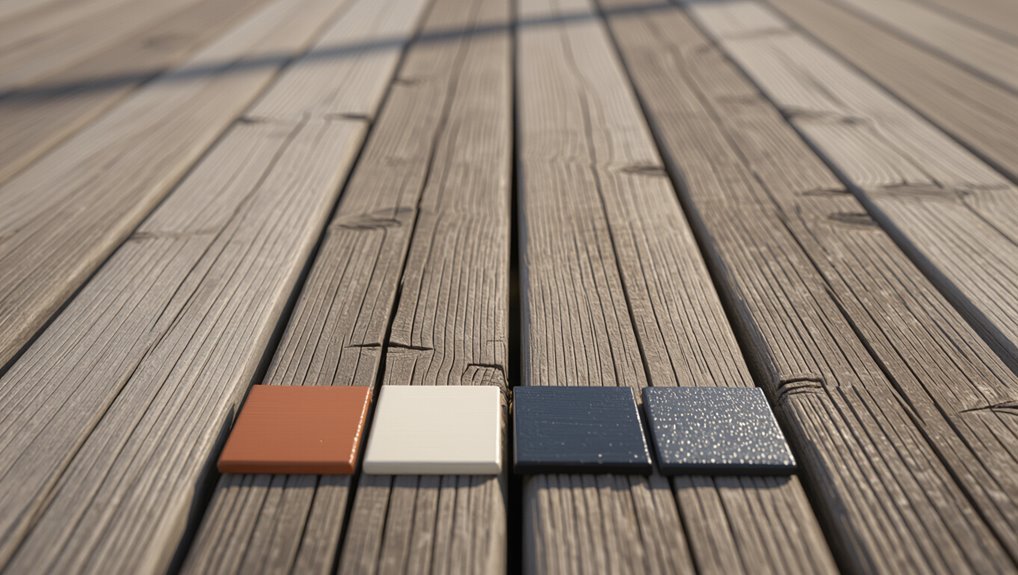
Start by checking the wood’s structural soundness and moisture level—if boards flex underfoot or read above 15% moisture, repair or replace them before painting.
Next, follow deck preservation tips: remove loose paint, clean mildew, and sand just enough for adhesion.
Use clear surface preparation techniques, choose appropriate fillers for cracks, and decide whether full replacement or targeted repairs save time and money.
What “Best Deck Paint for Cracked Wood” Means
When you’re looking for the best deck paint for cracked wood, think beyond color and sheen: you want a product that penetrates or bridges cracks, resists moisture and UV, and stays flexible so it won’t flake as the wood moves.
You’ll focus on deck paint benefits like adhesion, durability, and moisture control, choosing practical cracked wood solutions that extend life and reduce maintenance.
Quick Answer: Paint Types That Work on Compromised Wood
Although no single paint fixes severe structural damage, there are types that work well on compromised wood: flexible acrylic latex paints, elastomeric coatings, and oil-based primers paired with flexible topcoats. You’ll choose based on crack width and surface prep to maximize paint adhesion on cracked wood.
| Type | Strength | Best Use |
|---|---|---|
| Acrylic Latex | Flexibility | Small cracks |
| Elastomeric | Sealant | Wider cracks |
| Oil Primer | Adhesion | Undercoats |
Why Elasticity and Breathability Save Cracked Boards
If you pick a flexible paint like acrylic latex or an elastomeric coating, you’re giving cracked boards a coat that moves with them rather than against them.
You’ll benefit from elastic movement that bridges gaps and prevents further splitting.
Breathable finishes let trapped moisture escape, reducing rot risk, while surface flexibility maintains adhesion through temperature swings and foot traffic, extending the deck’s usable life.
Coatings to Avoid on Old Damaged Decks
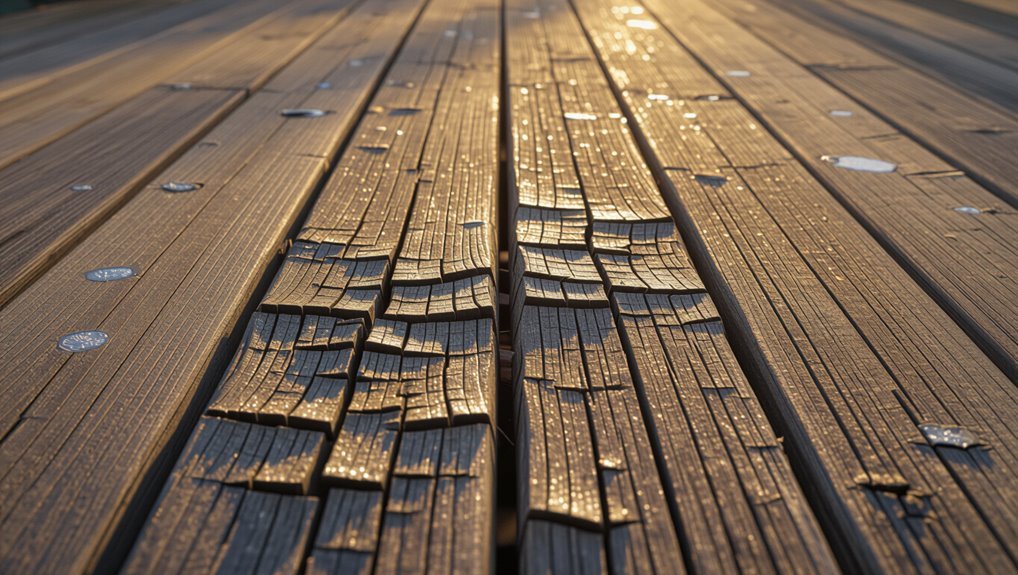
Because old, cracked boards need coatings that move and breathe, you should steer clear of rigid, non-breathable finishes like oil-based enamels, epoxy, and thick polyurethane films.
Those coating types trap moisture, undermine surface preparation, and mask underlying issues. They reduce product durability and weather resistance on damaged wood.
Instead, follow maintenance tips and gentle application techniques for flexible, breathable systems that perform.
How to Assess Deck Damage: A Simple Checklist
When you’re checking an old, cracked deck, start by noting structural safety, surface condition, and moisture issues so you can prioritize repairs and choose the right coating.
Walk the deck, look for soft spots, rot, loose fasteners, and major cracks. Record board stiffness, finish wear, mold, and drainage.
Use a simple damage assessment checklist to rate deck condition and plan next steps.
Repair vs. Replace: When to Swap Boards First
You should first check each board’s structural integrity—look for soft spots, major cracks, and rot that compromise safety.
Then weigh the immediate cost of repairs against how long patched boards will realistically last compared with new boards.
That comparison helps you decide whether swapping boards now is the smarter investment.
Assess Structural Integrity
Anyone inspecting a deck should focus first on the boards underfoot: check for deep cracks, rot that crumbles under pressure, springy spots that indicate a failed joist, and any fasteners that spin or pull free.
These signs determine whether you can patch or must swap boards outright.
Use a deck stability assessment and thorough wood condition evaluation to decide targeted repairs versus full board replacement.
Cost Versus Longevity
After you’ve identified which boards are visibly compromised, weigh repair costs against long-term value: small cracks and surface rot can often be patched and sealed cheaply, but boards with structural failure or widespread decay will keep costing you in maintenance and safety risks if you don’t replace them.
Do a cost analysis that includes labor, materials, and longevity factors; replace when recurring repairs outstrip replacement.
How Moisture and Rot Change Paint Performance
When moisture soaks into cracked deck boards, it undermines paint adhesion and accelerates peeling, blistering, and flaking.
You’ll notice moisture effects quickly: swollen fibers, loss of bond, and pigment failure.
Rot impact goes further, turning paint into a cosmetic mask over weakened wood.
Consider these consequences:
- Soft spots underfoot
- Rapid paint failure
- Staining and discoloration
- Structural decay visible beneath paint
Primers That Improve Adhesion on Aged Wood
When you’re prepping old, cracked boards, choosing the right primer makes the paint stick and last.
Oil-based bonding primers grip weathered fibers and fill tiny gaps, while shellac-based sealers lock in tannins and stubborn stains that can bleed through topcoats.
We’ll compare their adhesion, drying times, and best-use scenarios so you can pick the right one for your deck.
Oil-Based Bonding Primers
If your deck’s old boards have lost their bite for new coatings, oil-based bonding primers can restore adhesion and create a stable base for paint or stain.
You’ll get superior oil adhesion, water resistance, and primer benefits that bridge old and new layers. Apply on clean, dry wood; sand gloss; thin only if manufacturer allows.
- Penetrates cracked fibers
- Seals tannins
- Promotes topcoat grip
- Extends coating life
Shellac-Based Sealers
Because shellac bonds so quickly and seals old wood’s porous, tannin-rich surface, you’ll often find it’s the go-to primer for restoring adhesion on aged, cracked boards. You’ll appreciate shellac benefits for blocking stains and improving paint grip. Use careful application techniques: thin coats, quick drying, light sanding.
| Benefit | Tip |
|---|---|
| Stain blocking | Thin coats |
| Fast drying | Light sanding |
| Adhesion | Solvent cleanup |
| Versatile | Test patch first |
Oil-Based vs. Water-Based: Pros and Cons for Old Decks
Though both oil- and water-based paints can protect an old, cracked deck, you’ll want to weigh their trade-offs carefully:
Though oil and water paints both protect cracked decks, weigh their trade-offs carefully before choosing.
- Oil based advantages: deeper penetration, better durability factors, longer drying times, tougher finish options.
- Water based drawbacks: faster drying times but less penetration, different finish options, lighter durability factors.
- Application techniques: solvent vs. water cleanup, surface preparation matters.
- Environmental impact: solvents vs. low-VOC choices.
What Elastomeric and Flexible Deck Coatings Do
When you’re dealing with old, cracked wood, elastomeric and flexible deck coatings create an elastic surface seal that stretches with the board instead of flaking off.
They’re designed to bridge and hide hairline to moderate cracks, keeping water out of the substrate.
Because they remain breathable, they let trapped moisture escape while still accommodating seasonal movement.
Elastic Surface Seal
Elastomeric and flexible deck coatings form a stretchy, waterproof membrane that bridges hairline cracks and moves with the wood as temperatures and humidity change.
You get elasticity benefits and practical sealant applications that protect, reduce moisture ingress, and prolong finish life.
Consider how each function helps your deck:
- Waterproofing
- Movement tolerance
- UV resilience
- Surface adhesion
Crack Bridging Ability
You’ll notice one of the biggest benefits of flexible coatings is their crack-bridging ability: they stretch over hairline and moderate cracks, forming a continuous film that keeps water and dirt out while the wood expands and contracts.
You’ll find flexible paint options let you seal faults without filling every split, complementing other crack prevention methods and extending the deck’s usable life with minimal maintenance.
Breathability And Movement
Although flexible and elastomeric deck coatings form a continuous, stretchy film that keeps out water and dirt, they also let trapped moisture escape from the wood beneath, preventing blistering and rot.
You’ll manage moisture control, expansion contraction, heat resistance, UV protection, color retention, and long term durability with proper surface preparation and application techniques while weighing environmental impact.
- Flexible deck surface
- Breathable moisture control
- Movement and expansion contraction
- UV protection and heat resistance
Solid Stain vs. Paint: Which Hides and Fills Cracks
Wondering whether solid stain or traditional paint will do a better job hiding and filling cracked, weathered deck boards?
You’ll find solid stain benefits include better breathability and pigment that masks minor checks without forming a thick film.
Paint durability can resist abrasion and color loss longer, but paint’s rigid film may show deeper cracks unless you prep and fill them first.
Penetrating Sealers and Stabilizers: When They Help
If solid stain or paint isn’t filling deeper checks, penetrating sealers and wood stabilizers can be a better move because they work below the surface rather than forming a film on top.
You’ll focus on surface preparation, choose penetrating sealers for moisture barriers, and use stabilizers as restoration techniques. Consider protective coatings later. Application methods matter for long term solutions.
- Clean and dry
- Test absorbency
- Brush or sprayer
- Recoat timing
Best Commercial Deck Paints for Cracked Wood (Roundup)
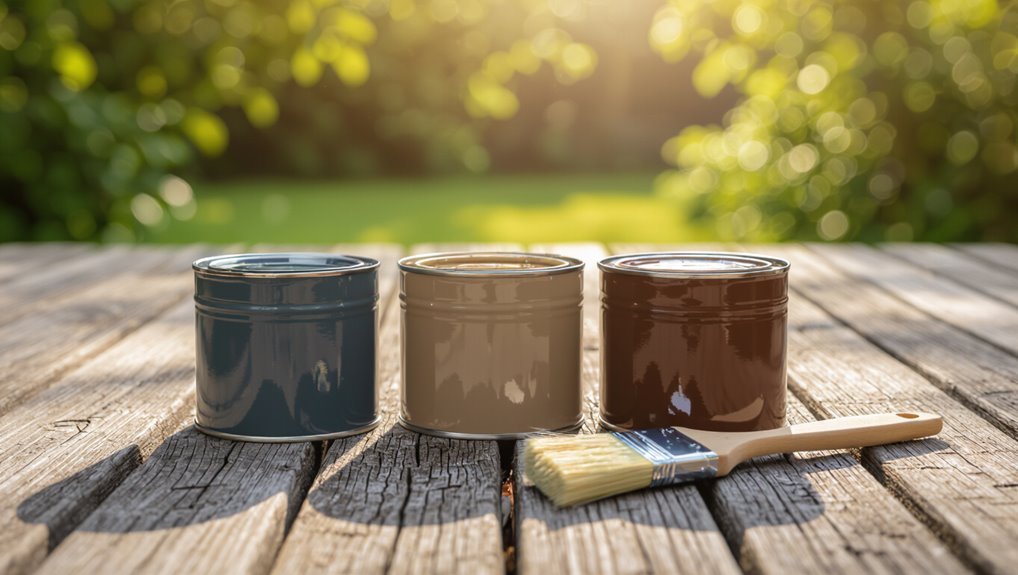
Choosing the right commercial deck paint for cracked, weathered wood means looking for products that combine deep-penetrating binders with flexible, durable topcoats so the finish moves with the wood instead of flaking out of the checks.
You’ll want a concise deck paint comparison: high-solids acrylics, oil-modified enamels, and hybrid alkyds.
Pair choices with proper wood preparation techniques to guarantee adhesion and longevity.
Best Elastomeric Deck Coatings to Buy
Elastomeric deck coatings give cracked, aged wood a flexible, waterproof membrane that bridges checks and keeps moisture out, so you’ll want formulas that combine high elongation with good abrasion resistance.
Choose products for elastomeric benefits and long-term protection. Consider:
Choose elastomeric formulas that combine flexibility and durability for long-term, waterproof protection of aging wood
- High-elongation acrylic elastomeric
- Silicone-modified flexible coatings
- Urethane-reinforced elastomeric
- Breathable masonry-style elastomeric
Top Solid Stains for Worn Decking
When elastomeric coatings aren’t the right match—maybe because you want more color options or prefer the look of pigmented wood—solid stains offer a durable, opaque finish that masks heavy wear and grain irregularities.
You’ll choose solid stain options by color, UV resistance, and mildew control.
Follow proper surface prep and recommended application techniques for even coverage and adhesion on aged, cracked decking.
Best Penetrating Sealers and Wood Stabilizers
If you want long-lasting protection that soaks into old, cracked boards rather than just sitting on the surface, penetrating sealers and wood stabilizers are the tools to reach deep into the fibers and lock in strength and moisture resistance.
You’ll focus on moisture barriers, surface treatments, smart application techniques, and key durability factors.
- Oil-based penetrating sealers
- Polymer wood stabilizers
- Primer + moisture barriers
- Reapplication schedule
Budget-Friendly Products That Still Work on Cracks
You don’t have to spend a lot to treat cracked deck boards—low-cost flexible sealers can bridge gaps and move with the wood.
Look for paint-and-filler combos that prime, hide hairline cracks, and finish in one coat to save time and money.
With simple DIY prep techniques like thorough cleaning and back-rolling, you’ll get longer-lasting results from budget products.
Low-Cost Flexible Sealers
Low-cost flexible sealers give cracked, weathered deck boards a second life without draining your wallet.
You’ll find flexible formulations and affordable options that bridge small splits and repel moisture. Apply with a brush or roller, let cure, then repaint or seal.
Consider these practical choices:
- Rubberized sealer for surface cracks
- Acrylic-elastomeric coat
- Water-based flexible primer
- Clear penetrating sealer
Paint-And-Filler Combos
When budget and durability both matter, paint-and-filler combos let you patch hairline to moderate cracks and finish in one go.
You’ll get good paint durability if you follow basic surface preparation and smart application techniques.
Prioritize filler selection for moisture resistance, match color choices to existing deck tones, consider weather considerations for cure times, and follow maintenance tips to prolong results.
DIY Prep Techniques
If you’re tackling cracked deck boards on a tight budget, smart prep beats expensive products every time: focus on cleaning, evaluating crack depth, and choosing affordable fillers that bond and flex.
Use basic prep tools for surface cleaning, moisture testing, and surface stabilization before paint application.
Follow sanding techniques, targeted crack filling, and consider weather considerations.
- Clean
- Test
- Fill
- Sand
Pro-Grade Products Homeowners Can Buy
Anyone tackling old, cracked wood will want pro-grade products that deliver stronger adhesion, deeper penetration, and longer-lasting protection than consumer DIY paints. You’ll favor pro grade brands after product comparisons show superior flexibility and mildew resistance. Choose concentrated primers, oil-modified sealers, and high-solids acrylics to repair, seal, and protect.
| Confidence | Relief |
|---|---|
| Trust | Calm |
| Strength | Pride |
| Renewal | Joy |
Choosing Color and Sheen to Hide Imperfections
When you pick a darker color, it’s easier to mask cracks and stains on old boards.
Choose a satin or eggshell sheen to soften surface flaws without showing every scratch. These choices will make your deck look more uniform while still allowing some texture to show.
Darker Colors Mask Cracks
Shadowing can make a big difference: darker deck paints absorb light and reduce glare, so they help conceal hairline cracks and minor surface irregularities that lighter hues tend to highlight.
You’ll get dark color benefits and improved crack concealment while keeping a cohesive look.
Consider:
- Deep charcoal hides texture
- Rich brown warms tones
- Navy masks stains
- Olive blends with foliage
Satin Or Eggshell Sheen
Because sheen affects how light plays across your deck, choosing satin or eggshell can help minimize the look of cracks without sacrificing durability.
You’ll prefer satin durability for outdoor traffic because it resists scuffs and sheds dirt, while an eggshell finish softens contrasts, hiding fissures and uneven grain.
Combine either sheen with a mid-tone color to mask imperfections and simplify maintenance.
Prep for Cracked Wood: Clean, Sand, Stabilize
Start by clearing debris and mildew from the surface so you can see every crack and loose fiber; you’ll use a stiff brush and a mild detergent or deck cleaner for this step.
Use cleaning techniques, sanding methods, stabilizing options, preparation essentials, and a damage assessment to guide work.
- Sweep and wash
- Inspect cracks
- Sand to sound wood
- Apply stabilizer
Simple Repairs: Fillers, Epoxy, and Board Replacement
When small cracks and splits are confined to a board, you can often restore it with a quality wood filler or a two-part epoxy that bonds and flexes with the deck. You’ll assess filler selection, follow epoxy application steps, and decide on board replacement when rot or structural damage appears. Keep repair tools handy and work methodically.
| Task | Notes |
|---|---|
| Fill | Match grain |
| Replace | Secure fasteners |
How to Apply Flexible Coatings and Solid Stains
Before you coat, make sure you’ve prepped the deck and repaired cracks so the flexible coating or solid stain can bond properly.
Use a brush or roller for edges and a roller or sprayer for field boards, keeping wet edges and working with the grain for even coverage.
Follow manufacturer cure times and apply thin, even coats to preserve flexibility and hide imperfections.
Prep And Repair
Although the surface may look salvageable at a glance, you’ll need to remove loose paint, clean deeply, and repair cracks so a flexible coating or solid stain can bond and move with the wood.
Use these deck maintenance tips and wood protection strategies to prep properly:
- Scrape and sand loose paint.
- Power-wash and dry thoroughly.
- Fill cracks with flexible wood filler.
- Sand and tack before coating.
Application Techniques
Now that your deck’s prepped and repaired, apply flexible coatings or solid stains in thin, even passes so the product bonds and cures properly; you’ll follow application techniques that respect surface preparation, avoid puddles, and work with grain. Use a brush for edges, roller for fields, and allow proper drying between coats.
| Tool | Use |
|---|---|
| Brush | Edges |
| Roller | Fields |
| Wait | Dry between coats |
Drying and Recoating Timing to Prevent Peeling
When you let paint fully dry and cure between coats, you’ll greatly reduce the risk of peeling on old, cracked wood.
Follow manufacturer drying times and plan recoating intervals by weather and temperature. Check tackiness before next coat and avoid shortcuts.
- Wait recommended drying times.
- Extend recoating intervals in cool/humid weather.
- Lightly sand between coats.
- Protect curing paint from moisture.
Handling Joints, Gaps, and Fastener Holes
If you want a smooth, long-lasting finish on old cracked wood, address joints, gaps, and fastener holes before you paint.
Start with surface preparation and crack assessment. Use joint sealing and gap filling materials that allow wood flexibility.
Begin with thorough surface prep and assess cracks; choose flexible joint sealants and gap fillers for lasting results
Perform fastener treatment—tighten or replace rusted screws, fill holes.
Manage moisture to prevent swelling, then prime for ideal paint adhesion.
Best Seasons and Weather for Painting Old Decks
After you’ve sealed gaps and fixed fasteners, pick the right weather window so your paint can cure properly and last.
You’ll want ideal temperatures and moderate humidity levels; avoid extremes. Consider seasonal timing to reduce rain risk and UV stress. Good weather conditions mean stable days for drying.
- Mild spring or fall days
- Low morning dew
- No rain forecast
- Light breeze, steady temps
How to Test a Product on a Small Patch
Curious how a paint will really behave on your old, cracked deck?
You’ll set up a small test patch in an inconspicuous spot, prep the wood like you’d for the whole deck, and apply the product per instructions.
Monitor adhesion, color, drying, and flexibility over several weeks.
Record observations for a clear product evaluation before committing to the full job.
Maintenance Routines to Keep Coatings Lasting
Keep a regular cleaning schedule to remove dirt and mildew so your paint can breathe and last longer.
Inspect the deck at least once a year, checking for cracks, peeling, or soft spots that need prompt repair. Tackling minor fixes quickly prevents bigger repainting jobs down the road.
Regular Cleaning Schedule
If you stick to a simple, seasonal cleaning schedule, your deck paint will perform far better and last longer.
For deck maintenance you’ll want practical cleaning strategies that remove dirt, mildew, and debris without harming coatings.
Follow a regular routine and rinse well after cleaners.
- Sweep weekly
- Rinse monthly
- Deep clean spring/fall
- Spot-treat stains immediately
Annual Inspection & Repairs
After you stick to a cleaning routine, set aside time once a year to inspect the deck for cracks, loose boards, peeling paint, and failing sealant so small problems don’t become big repairs. Check deck condition, document issues, and apply appropriate repair techniques promptly.
| Area | Issue | Action |
|---|---|---|
| Boards | Cracks | Fill/replace |
| Paint | Peeling | Sand/recoat |
| Seals | Failed | Reseal |
Common Mistakes That Make Paint Peel Fast
One of the quickest ways paint peels from an old, cracked deck is by skipping proper surface prep—you’ll get poor adhesion if you don’t remove loose paint, dirt, and mildew or fail to sand glossy spots and feather edges.
Skipping proper surface prep—remove loose paint, dirt, mildew, and sand gloss and edges for better adhesion.
You’ll also face peeling paint from moisture damage, improper preparation, inadequate priming, wrong application, unsuitable products, environmental factors, or poor ventilation.
- Skipping cleaning
- No primer
- Applying in damp/poor ventilation
- Using wrong product
Expected Lifespan by Product Type
Knowing what causes paint to fail helps you choose a product that lasts, so let’s look at how long each type typically performs on old, cracked wood.
Oil-based paints often offer higher product durability with an expected lifespan of 5–8 years if prepped well.
Acrylic latex lasts 3–6 years, while elastomeric coatings can reach 7–10 years but need proper adhesion and flexible primers.
When Repainting Is Only a Temporary Fix
You can use paint to mask fading and small cracks, but that’s mostly a short-term cosmetic fix.
If boards are soft, split, or show structural rot, repainting won’t stop the damage and you’ll need repairs or replacement.
Know when paint is only hiding problems so you can plan the right fix.
Short-Term Cosmetic Fixes
When you just need the deck to look presentable for a short while, quick cosmetic fixes can buy time before a full repair. They’ll hide cracks and peeling paint but won’t stop underlying rot or structural failure.
Use cosmetic touch ups and quick repairs to tidy appearance temporarily.
- Sand loose paint
- Fill hairline cracks
- Spot-prime and repaint
- Add slip-resistant tape
When Repairs Needed
If repainting only masks damage, it’s time to move beyond cosmetic fixes and assess the deck for repairs that restore strength and safety.
You’ll inspect joists, posts, and boards for rot or structural failure.
Use appropriate deck repair techniques—sistering joists, replacing boards, reinforcing posts—and apply wood stabilization methods on salvageable areas.
Prioritize structural repairs before repainting for lasting protection.
Frequently Asked Questions
Can Cracked Deck Paint Be Safe for Children and Pets After Curing?
Yes — once paint fully cures and isn’t peeling, you can let kids and pets use the deck; you’ll still want to verify child safety and pet safety by confirming low-VOC/non-toxic labels, stable coating, and no accessible loose flakes.
Will Paint Hide Structural Cracks That Affect Load-Bearing Capacity?
No — paint won’t hide structural cracks that affect load-bearing capacity; you’ll only mask issues cosmetically. Think of paint adhesion as a veil: it improves appearance but can’t restore structural integrity, so repair or replace compromised members.
Do Coatings Change Traction on Wet, Cracked Deck Surfaces?
Yes — coatings can change traction levels on wet, cracked decks. You’ll find some formulations reduce slippery surfaces by adding grit, while smooth paints increase slipperiness; choose textured or anti-slip additives to restore safer footing.
Can Painted Cracked Wood Trap Pests Like Termites or Carpenter Ants?
Yes — painted cracked wood can trap pests if paint seals moisture and hides damage; you’ll prevent infestations by combining pest prevention with proper wood treatment, repairing cracks, using breathable coatings, and monitoring for signs regularly.
Is Ventilation Needed Under the Deck After Applying Flexible Coatings?
Think of a cellar’s breath: yes, you’ll need ventilation under the deck after flexible coatings. You’ll maintain deck maintenance routines, prevent trapped moisture, and keep rot and pests away while preserving coatings’ longevity and performance.
