
What Is the Best Sheen for Exterior House Paint
Pick a satin or low‑luster semi‑gloss for most of your exterior surfaces because it balances durability, dirt resistance, and ease of cleaning while still hiding minor imperfections. Satin works well on siding, trim, porches, and fences; use semi‑gloss for doors and high‑contact trim where extra washability helps. Flat or matte suits textured stucco or historic homes where you want to hide flaws. Keep going to see how surface type, climate, and maintenance change the choice.
Who This Guide Is For

Whether you’re prepping to repaint your whole home’s exterior or just touching up trim, this guide helps you choose the right paint sheen for the job. You’re a DIY homeowner weighing durability, maintenance, and curb appeal. You’re a contractor advising clients on finishes that suit siding, trim, or porches. You’re restoring a period property and need guidance that respects historical styles while using modern coatings.
You care about how light and finish affect perception—color psychology informs whether a matte soothes or a gloss enlivens. You want practical recommendations, not jargon, so you’ll get clear, comparable options.
Quick Answer: Best Exterior Paint Sheen
For most exteriors you’ll want a paint sheen that balances durability and weather resistance with easy cleaning.
You’ll find satin or low-luster finishes usually offer the best compromise: they stand up to sun and rain better than flat finishes and wipe clean more easily than high gloss.
Consider high-gloss only for trim or areas that need maximum scrubbability.
Durability And Weather Resistance
How long do you want your exterior paint to stand up to sun, rain, and temperature swings? You’ll pick a sheen that balances UV resistance and moisture protection, since higher sheens often shed water better and resist fading.
Consider substrate movement and paint consistency during application—thicker, uniform coats reduce cracking and help maintain color contrast between trim and siding. Satin or semi-gloss commonly offer durable, weather-resistant finishes without highlighting surface flaws.
Also check manufacturer formulas for mildew inhibitors and flexible binders. Apply proper surface prep and follow recommended dry times to maximize longevity and maintain the desired appearance.
Ease Of Cleaning
Because you’ll want a finish that’s simple to wipe down, choose a higher-sheen exterior paint—like satin or semi-gloss—that resists dirt and lets you clean grime, pollen, and bird droppings with minimal elbow grease.
You’ll find these sheens shed stains, so routine rinses or gentle scrubbing restore appearance fast.
When planning, balance practical sheen with color coordination across trim and siding so cleaned areas match untreated surfaces.
Also check eco-friendly options that offer low-VOC formulas without sacrificing washability.
Pick a sheen that suits exposure and maintenance habits, and you’ll spend less time cleaning and more time enjoying your home.
How to Choose a Sheen in Five Questions
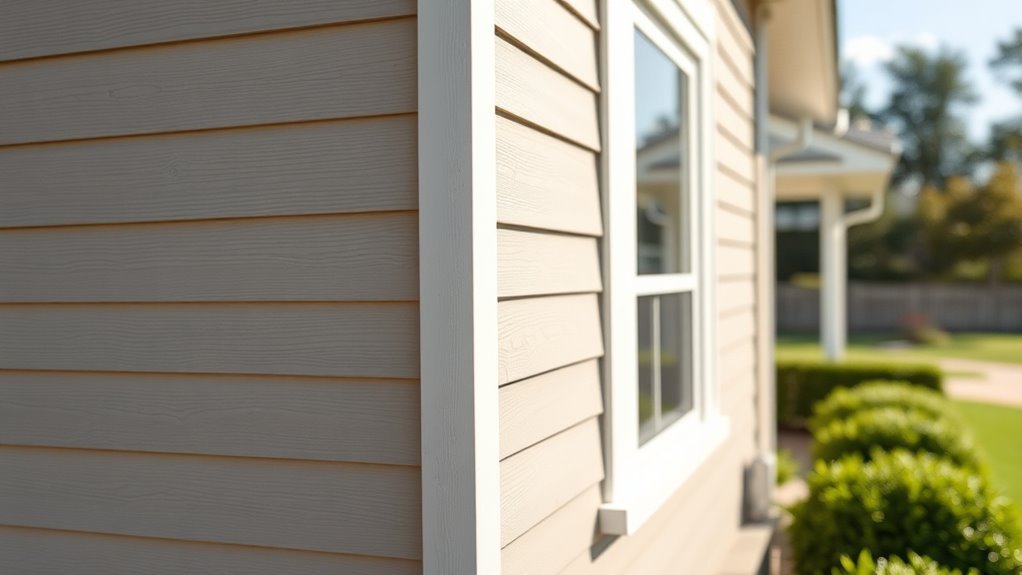
Wondering which sheen will look best and hold up where you live? Ask five focused questions:
Wondering which sheen will hold up where you live? Ask five focused questions to decide.
Is your siding smooth or textured?
Do you want subtle reflection or noticeable gloss?
How often will you wash it?
Are there high-traffic or exposed areas needing durability?
What color blending issues might affect appearance when sunlight hits walls?
Consider paint mixing constraints for matching trims and touch-ups.
Prioritize low-gloss for hiding imperfections and higher sheen for trim durability.
Balance aesthetics and maintenance: choose the sheen that fits surface type, cleaning routine, and color behavior, then test a small area before committing.
Why Sheen Matters for Exterior Paint Performance
After you pick a sheen based on surface, gloss preference, and maintenance, you’ll see that sheen does more than affect appearance — it changes how paint handles wear, moisture, and sunlight.
You’ll notice higher sheens resist dirt, abrasion, and water better, reducing paint peeling on trim and high-traffic areas.
Lower sheens hide surface imperfections but absorb more UV, accelerating color fading on exposed walls.
Choosing the right sheen balances durability and look: use glossier finishes where you need washability and protection, and flatter sheens where texture matters, knowing trade-offs in longevity and maintenance.
How Surface Type Changes Sheen Recommendations

You’ll choose different sheens for smooth versus textured surfaces because gloss levels show imperfections on smooth walls but help highlight texture.
For porous materials like bare wood or stucco, you’ll need a higher-build or glossier finish to seal and resist moisture.
Consider surface texture and porosity together to pick a sheen that balances appearance and protection.
Smooth vs Textured Surfaces
Because surface texture affects how light and imperfections show, you’ll choose different sheens for smooth versus textured exteriors. On smooth surfaces, higher sheens highlight details and reveal flaws, so you’ll balance gloss with repair quality. Sheen contrast matters when matching trim to siding.
For textured walls, lower sheens mask irregularities and hide minor damage, letting shadows soften appearance. Textured exteriors tolerate slightly higher durability without glaring flaws, while smooth surfaces benefit from touch-up-friendly, moderate sheens.
Consider cleaning needs: smoother, glossier finishes clean easier but demand better prep. Match sheen to texture to control appearance and maintenance.
Porous Materials And Sheen
Smooth and textured surfaces influence sheen choices, but porous materials bring their own concerns that change what finish works best.
When you’re dealing with Porous Materials like raw wood, stucco, or masonry, Surface Porosity affects absorption and durability. A flatter sheen can hide uneven texture, but it soaks in more, needing extra coats and sealers.
Satin or low-luster finishes resist dirt and shed water better on porous substrates if you prime and seal first. You’ll want breathable primers for masonry to avoid trapped moisture.
Choose a finish that balances appearance with resistance to staining and weathering on porous surfaces.
Sheen Options Explained: Flat to Gloss
Wondering which sheen fits your home’s exterior best? You’ll weigh appearance, durability, and how color psychology and historical trends influence curb appeal. Low sheens hide imperfections; higher sheens boost washability and highlight architectural details. Use the table to visualize options.
| Sheen | Look | Use |
|---|---|---|
| Flat | Soft, subtle | Hides flaws on stucco, older homes |
| Eggshell | Low luster | Traditional feel, mild durability |
| Satin | Gentle sheen | Versatile, trims, siding |
| Semi-Gloss/Gloss | Reflective | Doors, trim; durable, shows surface flaws |
Match sheen to material, style, and maintenance needs.
Flat and Matte: Pros and Cons for Exteriors
When you choose flat or matte for your exterior, you’ll trade some durability and easier cleaning for a finish that hides surface flaws. These sheens do a great job concealing bumps and patches.
But they can show wear faster in high-traffic or weather-exposed areas. You’ll also notice colors look softer and more muted, so consider how much depth and richness you want before picking them.
Durability And Maintenance
Although flat and matte finishes give exteriors a clean, contemporary look, they demand more careful upkeep than higher-sheen paints because they hide imperfections but scuff and stain more easily. You’ll need regular touch-ups, gentle cleaning, and occasional recoating to keep them looking their best.
You should select durable formulations and primer to boost longevity while ensuring color harmony with trim and landscaping so maintenance blends with architectural style. Clean with soft brushes and mild detergent, spot-treat stains quickly, and plan for more frequent repaint cycles than satin or gloss.
Proper preparation and prompt care will preserve appearance without excessive effort.
Hiding Surface Imperfections
Flat and matte exterior paints mask surface flaws better than shinier finishes, so they’ll make uneven stucco, old wood grain, or patched siding look more uniform at a glance. You’ll appreciate how low reflectivity hides minor dents, seams, and brush marks without drawing attention.
That said, flat surfaces can show dirt and are harder to clean, so choose durable formulations or plan for periodic touch-ups.
Consider Color symbolism when selecting tones—muted shades plus matte feel convey subtlety and permanence.
Also look for Eco friendly options with low VOCs to protect finish longevity and reduce environmental impact.
Aesthetic And Color Depth
Because matte and flat finishes absorb light rather than bounce it back, they deepen colors and give façades a rich, velvety look that often reads as more sophisticated and timeless. You’ll notice hues appear fuller, which can influence color psychology by making a home feel grounded, calm, or cozy.
That subtle depth suits historical styles and craftsman homes, where softness and authenticity matter. On the downside, flat sheens can mute details and hide architectural highlights you might want emphasized.
Choose flat or matte when you want restrained elegance and mood over sheen—just weigh maintenance and the loss of reflective accents.
Eggshell and Satin: Where They Work Best
When you’re choosing between eggshell and satin sheens, think about durability and the surface you’re painting. You’ll pick eggshell for subtle texture on clapboards and broad walls, while satin suits trim and areas needing easier cleaning.
Use eggshell to soften sunlight and satin to highlight architectural lines; pair both with interior accents for cohesive curb appeal. Color coordination matters—match sheen choices to landscaping and fixtures so the whole exterior reads as one design.
- Sunlit clapboard with gentle eggshell glow
- Trim highlighted with satin’s soft reflection
- Porch rails easy-to-clean satin finish
- Shaded walls in muted eggshell
- Doorframe contrast for punch
Semi-Gloss and Gloss: Durability and Shine
If you want maximum durability and a pronounced shine, semi-gloss and gloss finishes deliver both. Semi-gloss balances a noticeable sheen with good scuff resistance for trim and doors, while full gloss offers the toughest, most reflective surface ideal for high-traffic areas and accents you want to pop.
You’ll choose semi-gloss when you want subtle highlights that tie into overall color coordination without overwhelming textures. Gloss demands careful use to avoid highlighting imperfections, but it makes accents crisp.
Consider environmental impact: higher-sheen paints can contain more resins and may need low-VOC formulations to reduce emissions during application.
Best Sheen for Wood Siding and Clapboard
Moving from trim and accents to larger surfaces, you’ll want a different sheen strategy for wood siding and clapboard because these areas need to balance protection with hiding texture and imperfections. Choose an eggshell or low-luster satin: they resist moisture yet soften clapboard shadows, preserving paint texture and promoting color harmony across facades.
Satin helps washability on frequent-touch zones; eggshell masks minor gouges and grain. Prep and primer matter more than sheen for longevity.
Imagine the visual and tactile result:
- Weathered clapboard with soft satin glow
- Smooth long runs in eggshell
- Sunlit shadow lines
- Rain-beaded satin surfaces
- Even color harmony across boards
Best Sheen for Painted Brick and Masonry
Because brick and masonry have uneven textures and can trap moisture, you’ll want a low-sheen finish that protects without emphasizing every pore and joint. You should choose a matte or low-luster acrylic masonry paint that resists moisture while allowing slight breathability.
That finish aids color blending across varied surfaces, softening differences between old and new brick. It also supports subtle texture enhancement without glossing roughness.
Use high-quality primer formulated for masonry, apply even coats, and inspect mortar joints for sealing needs. The result will be durable protection and an even, cohesive appearance that respects the material’s character.
Best Sheen for Stucco and Textured Finishes
For stucco and textured finishes, you’ll want a sheen that balances durability with a way to tame pronounced texture.
Satin or low-luster finishes usually give good weather resistance without making bumps and ridges pop.
If you need extra protection in high-traffic or exposed areas, consider an exterior-grade satin or soft gloss.
Best Sheen For Durability
Want a finish that stands up to rough surfaces and weather? You’ll want a low- to medium-sheen—like satin or low-luster eggshell—that resists dirt, sheds water, and tolerates cleaning on stucco and textured finishes. These sheens maintain color contrast without overemphasizing bumps, and they let architectural accents pop subtly.
Pick high-quality acrylic exterior formulas for UV and mold resistance. Prep and proper application matter as much as sheen.
- Rain beading off a gently glossy wall
- A trim line cutting crisp against textured stucco
- Sunlight revealing muted depth
- A pressure-washed porch wall
- Durable paint holding color longer
Minimizing Texture Highlighting
When you want stucco or textured siding to read smooth from a distance, choose a low- to medium-sheen paint—like satin or low-luster eggshell—that softens shadows and avoids exaggerated highlights on bumps and ridges. You’ll reduce glare and make surface texture less obvious, especially with moderate color contrast; darker or very light colors can reveal unevenness. Test samples at different angles in sunlight, and pick a sheen that downplays ridges while still shedding moisture. Consider maintenance needs too—slightly higher sheen cleans easier.
| Sheen | Effect | Best use |
|---|---|---|
| Flat | Hides texture | Large stucco walls |
| Eggshell | Soft glow | Moderate contrast |
| Satin | Durable | Trim and accents |
| Semi-gloss | Highlights | High-traffic areas |
Best Sheen for Vinyl Siding and Aluminum
Although vinyl siding and aluminum both handle moisture and temperature swings well, you’ll want a satin or low-luster eggshell finish to hide surface imperfections while still shedding dirt and resisting weathering. You’ll focus on color matching to existing panels and check primer compatibility on any bare metal or faded vinyl. Use high-quality acrylics for flexibility and UV resistance.
Choose a satin or low-luster acrylic finish, match colors, prime bare metal, and use gentle washing for lasting protection
Apply with consistent technique to avoid lap marks. Maintain with gentle washing.
- Sun-faded horizontal boards warming in afternoon light
- Dew beading and quick runoff on sloped seams
- Subtle sheen unifying mixed panels
- Brushed strokes near vents
- Rain streaks on downspouts
Best Sheen for Trim, Windows, and Doors
Because trim, windows, and doors get the most contact and detail, you’ll want a higher-sheen paint that withstands wear and highlights clean lines. You should choose satin or semi-gloss for durability and easy cleaning; they resist scuffs yet show imperfections less than full gloss.
Prioritize surface priming to guarantee adhesion and prevent tannin bleed or flaking.
For coordinated appearance, use color matching when repainting sections or replacing pieces so sheen differences don’t reveal mismatches.
Apply thin, even coats and sand lightly between layers for crisp edges.
Inspect hardware and weatherstripping before final touch-ups.
Best Sheen for Front Doors and Entryways
Since your front door faces weather, traffic, and first impressions, pick a sheen that balances durability with curb appeal. You’ll want a semi-gloss or gloss for easy cleaning and impact, but satin can soften glare while still resisting scuffs.
Think about color coordination with siding and trim, and choose paint finishes that showcase your style without sacrificing longevity. Seal edges and hardware to prevent peeling.
Highlight the entry with contrast or subtle harmony so visitors notice purposefully.
- A deep navy gloss door gleaming after rain
- Warm red satin warmed by porch light
- Crisp white trim framing a bold color
- Brass knob catching highlights
- Matte doormat under a glossy threshold
Best Sheen for Porches, Railings, and Fences
When you’re choosing sheen for porches, railings, and fences, prioritize durability and weather resistance to withstand sun, rain, and foot traffic.
Pick a finish that’s easy to clean so dirt and handprints don’t become a constant chore.
Finally, balance how much shine you want—higher sheen shows imperfections but highlights trim, while lower sheen hides flaws for a more natural look.
Durability And Weather Resistance
How tough does exterior paint need to be to protect porches, railings, and fences from constant sun, rain, and abrasion? You want a sheen that resists peeling, blocks UV, and sheds water while keeping color coordination with the rest of your home and offering eco-friendly options when possible.
Choose satin or semi-gloss for balance: durable, slightly reflective, and forgiving on wood or metal. Think about finish longevity and substrate movement.
Picture the results:
- Sun-baked porch boards staying vibrant
- Rain beading off railings
- Dogs brushing against fence posts
- Chips resisting foot traffic
- Crisp edges where trim meets siding
Ease Of Cleaning
Because porches, railings, and fences take constant handling and grime, you’ll want a sheen that cleans easily without dulling or staining, so pick one that balances wipeability with appearance. You’ll prefer semi-gloss for routine scrubs; satin works if you want subtle texture. Consider Color harmony when choosing sheen so cleaned spots don’t contrast. Also weigh Environmental impact—low-VOC options clean similarly. Use gentle detergents and soft brushes to extend finish life.
| Surface | Best Sheen | Maintenance |
|---|---|---|
| Porches | Semi-gloss | Weekly wash |
| Railings | Satin | Spot clean |
Aesthetic And Shine Choices
If you want your porch, railings, and fence to look intentional rather than afterthoughts, choose a sheen that complements both the architecture and nearby finishes. You’ll pick satin or semi-gloss for railings to highlight details and resist wear, flat or low-sheen for rustic fences to hide blemishes, and satin for porches to balance durability with subtle glow. Consider color mixing impacts on perceived depth and how paint texture changes light reflection. Test samples in different light. Match sheen across connected elements for cohesion, but vary finishes on hardware or trim for contrast.
- Sunlit porch boards with soft satin glow
- Glossy rail spindles catching highlights
- Matte fence blending into landscaping
- Worn wood appearing smoothed by low sheen
- Trim pops with brighter finish
Sun and UV Effects on Exterior Paint Sheen
While sunlight gives your home a bright, welcoming look, ultraviolet (UV) rays actively break down paint binders and pigments, dulling sheen and altering color over time. You’ll notice sun damage first on horizontal surfaces and south- or west-facing walls where exposure’s strongest.
UV degradation weakens polymers, making gloss levels fade unevenly and colors wash out. Choosing a UV-resistant formulation and higher-quality pigments helps maintain sheen longer, so you’ll avoid patchy appearance and frequent repainting.
Regular inspections let you catch early fading and address it before primer or repainting is necessary, preserving curb appeal and protecting substrates.
Rain, Humidity, and Weather: Sheen Choices
When you pick a sheen for a rainy or humid climate, think about moisture resistance first. You’ll want finishes that help prevent mildew and mold while staying flexible enough to handle temperature and weather changes. Choosing the right sheen boosts durability and keeps your exterior looking good longer.
Moisture Resistance Needs
Because your home’s exterior faces rain, humidity, and seasonal extremes, choosing a paint sheen that can handle moisture is essential. You’ll want a finish that sheds water, stands up to humidity, and keeps color matching true after proper paint preparation.
Semi-gloss and satin often work best on trim and high-contact surfaces, while low-luster eggshell or satin can protect siding without glaring. Test small areas to confirm how sheen affects appearance and match.
Maintain flash and profile with correct primers and drying times so finishes cure properly.
- Rain beading off a porch column
- Dew slicking cedar shingles
- Wet brick glistening
- Dripping eaves after a storm
- Damp, humid evening light
Mildew And Mold Prevention
Although mold and mildew thrive in damp conditions, choosing the right exterior paint sheen can make them less likely to take hold on your siding and trim. You’ll want a finish that sheds water and resists dirt buildup since spores cling to grime.
Semi-gloss and satin are easier to clean than flat, so you can scrub away early growth without damaging the substrate. Also pick mildew-resistant formulations and guarantee good ventilation near eaves and soffits.
Coordinate exterior sheen with interior accents and color matching so progressions look deliberate. Regular inspections and prompt cleaning keep mold controlled before it spreads.
Weatherflexibility And Durability
If your home faces frequent rain, high humidity, or wide temperature swings, pick a paint sheen that balances water resistance with flexibility so the finish won’t crack or peel as the siding expands and contracts.
You’ll want satin or low-luster sheens for durability, easy cleaning, and better color matching when touching up. They resist moisture yet move with siding.
Consider coatings with low environmental impact and mildew-resistant additives.
Maintain gutters and flashing to reduce stress on finishes.
Visualize how the surface sheds water, how droplets bead, and how seams flex in heat, guiding your sheen choice.
- Rain beading on a porch railing
- Damp clapboard after a storm
- Steam fogging a bathroom window exterior
- Siding bending subtly in sun
- Painter blending a swatch for color matching
How Surface Imperfections Influence Sheen
When light hits an exterior wall, every chip, bump, or uneven patch changes how the paint’s sheen looks, so you’ll see variations that a higher-sheen finish simply won’t hide. You should inspect surface texture closely before choosing sheen because light reflection exaggerates imperfections, drawing attention to rough spots or filler lines.
Smooth, well-prepared surfaces suit glossier sheens that bounce more light; textured or imperfect siding will reveal brush marks and repairs under direct sun. Plan sanding, patching, and priming to control how light behaves on walls, then match sheen to the level of finish you can realistically achieve.
When to Choose Low Sheen to Hide Flaws
Because low-sheen paints reflect less light, they’re your best choice when you want to mask surface flaws without extra prep. You’ll reduce glare from uneven stucco, faded trim, or patched siding, letting color contrast be subtle rather than shouting every imperfection.
Low sheen suits older homes where historical accuracy matters, softening repairs so they blend. Choose it when you want a forgiving finish that keeps character intact.
- Sun-faded clapboard that reads smooth at a distance
- Slightly patchy stucco made uniform
- Weathered trim with softened edges
- Minor nail pops hidden at night
- Faint texture from repainting
When to Choose Higher Sheen for Easier Cleaning
Although higher-sheen finishes catch the eye, they’ll save you time and effort over the long run by standing up to scrubbing, stains, and environmental grime. You should pick higher sheen for trim, entryways, and high-traffic siding where spills, dirt, and pollen collect. It resists staining and lets you rinse away grime without harming the film, helping prevent accelerated color fading and paint peeling near touchpoints. Consider surface and climate when deciding.
| Area | Benefit |
|---|---|
| Trim | Easier wipe-down |
| Entry | Stain resistance |
| Siding | Rinseable surface |
| Porch | Durable finish |
| Garage | Low-maintenance exterior |
Balancing Durability and Appearance: Sheen Tradeoffs
Picking a higher sheen for trim and high-traffic areas makes practical sense, but you’ll want to weigh that durability against how glossy surfaces will look across your whole house. You’ll balance maintenance needs with curb appeal, considering color coordination between siding, trim, and accents, and plan seasonal adjustments to protect finish and appearance.
Think about scale, light, and neighborhood context so sheen choices enhance architectural details without overpowering. Visualize outcomes:
- Sunlit white trim reflecting morning glare
- Matte siding absorbing dusk tones
- Satin porch catching soft shadows
- Glossy door announcing the entry
- Low sheen eaves muting rooflines
How Sheen Affects Dirt Pickup and Stain Resistance
When you choose a higher sheen, the paint’s smoother surface repels dirt and stains more effectively than flat finishes, making cleanup easier and extending intervals between maintenance. You’ll notice satin or semi-gloss sheds grime and resists oil-based spots better, so staining risks drop.
Consider how color coordination affects perceived cleanliness: darker hues may hide marks, lighter tones show them. Also weigh paint texture—rough surfaces trap particles regardless of sheen, so finish choice and substrate preparation both matter.
For areas prone to splashes or mud, pick higher sheen and smooth application. For decorative rough finishes, expect more vigilance.
How Sheen Affects Cleaning Frequency and Methods
Because higher-sheen paints create a smoother, more wipeable surface, you’ll clean them less often and with gentler methods than flat finishes require. You’ll use mild soap and soft cloths on satin or semi-gloss, avoiding abrasive scrubbing that damages the finish or risks color matching problems during touch-ups.
Higher-sheen paints wipe clean easily—use mild soap and soft cloths, avoid abrasive scrubbing to protect finish and touch-ups.
Flat surfaces need gentler, more frequent spot cleaning to prevent staining. Beware strong solvents that increase paint fumes and may strip sheen.
Visualize typical tasks:
- Wiping pollen off a porch rail with a damp cloth
- Rinsing mud from siding after a storm
- Spot-cleaning handprints near doors
- Gentle scrubbing around fixtures
- Touching up chips carefully
How Sheen Changes Color Perception and Reflections
When you pick a sheen, it changes how the hue reads—flatter sheens mute color while glossier sheens make it pop.
Shiny finishes reflect more light, so they can highlight surface flaws and create stronger highlights and shadows.
That added reflection also gives surfaces more perceived depth, altering how the color looks from different angles.
How Sheen Affects Hue
Although sheen might seem like a minor choice, it noticeably alters how you perceive a paint’s hue by changing light reflection and surface texture. You’ll notice glossy finishes sharpen colors and make tones appear cooler, while matte softens and warms them.
Consider sheen symbolism and cultural perceptions when choosing—high sheen reads modern, low sheen feels traditional. Match finish to architecture and surroundings so the hue reads as you intend.
- Sunlit trim gleams, looking crisper and bluer
- Shaded siding reads richer, more muted
- Wet pavement makes colors pop dramatically
- Textured surfaces absorb highlights, mellowing tones
- Gloss reveals subtle undertones
Light Reflection And Depth
You’ve seen how sheen shifts a hue’s mood; now look at how it controls light itself and creates depth. You’ll notice high glazes bounce light, sharpening trim and making colors pop, which helps with color coordination across siding, shutters, and accents.
Matte sheens absorb light, flattening texture and softening contrasts for subtler curb appeal. Satin balances reflection and depth, revealing detail without glare.
When restoring older homes, choose a sheen that supports historical accuracy—glossier finishes often read too modern.
Consider viewing samples at different times of day; sheen can transform perceived color and dimensionality under changing light.
Matching Existing Exterior Sheen: A Quick Test
Before you buy more paint, it’s smart to run a quick sheen test so you can match the existing finish exactly. You’ll clean a small area, apply a tiny strip of test paint from your paint storage, let it dry, and observe under daylight.
Note glare, depth, and how it complements trim for color coordination. Use a flashlight for evening checks. If the sheen’s off, try a different finish until it blends.
- A damp rag wiping a faded corner
- A narrow brush stroke on siding
- Sunlight shifting across a panel
- Flashlight highlighting gloss
- A matched paint can label
How to Sample Sheens on Your House Before Deciding
Start by applying paint swatches to an exterior section so you can see the finish in real conditions.
Check the samples at different times of day to note how light changes the sheen.
Step back and view them from various distances to judge how the finish reads from the street and up close.
Test Paint Swatches Outdoors
When you test paint swatches outdoors, you’ll see how light, texture, and viewing angle change a sheen more than any sample card can convey. You should tape several 8×8 swatches to vertical siding, trim, and a corner to judge interaction with texture and scale.
Consider interior accents and color matching if trim will echo inside. Walk away and return from different distances to note reflection and shadow. Record notes and photos for comparison.
- sunlit clapboard showing low gloss
- shaded corner with subtle satin glow
- rough stucco catching highlights
- smooth trim reflecting more light
- distant view softening sheen
Observe Sheen At Different Times
Although the sun gives you a quick impression, you’ll need to observe sheens at different times of day and in varied weather to see how they actually behave on your house.
Place sample panels on representative surfaces and check morning, midday, golden hour, overcast, and after rain.
Note how highlights, reflections, and texture visibility change; record each observation.
Consider color coordination with trim and landscaping under each condition, and think about Environmental impact—glossy surfaces may show dirt or require more frequent cleaning and maintenance.
Use photos and notes to compare; decide based on consistent visual performance across conditions.
Evaluate From Multiple Distances
Because sheen reads differently from up close than from across the street, you’ll want to sample at multiple viewing distances to make a reliable choice. Walk the yard, step onto the porch, and back up to the sidewalk; note how gloss and eggshell shift. Tape small panels in several spots, photograph them from afar, and store unused samples in paint storage labeled by sheen and color.
Check how the sheen affects color coordination with trim and landscaping. Trust what you see at normal living distances, not just when inspecting the brushstrokes.
- Close-up: visible texture and flaws
- Porch: human-scale interaction
- Street: overall curb appeal
- Driveway: blended view with trim
- Night: reflected highlights
Surface Preparation That Affects Final Sheen
If you want a consistent, long-lasting sheen on exterior paint, you’ve got to start with the right surface prep: cleaning, sanding, and correcting defects so the coating can adhere and reflect light evenly.
You’ll remove dirt, mildew, and chalking with pressure washing or detergent, then sand glossy patches to dullness so sheen reads uniformly.
Fill cracks and replace rotten trim to avoid pinholes and shadowing.
Your choices interact with color psychology and historical trends—darker hues reveal imperfections more, while period homes may benefit from meticulous smoothing to preserve authentic light behavior.
Prep determines final appearance.
Primer Choice and Its Impact on Exterior Sheen
You’ll notice that the type of primer you choose—oil-based, latex, or stain-blocking—can change how the topcoat reflects light and how durable that sheen stays.
Make sure you prepare the surface properly, because a poorly cleaned or unprimed area will show uneven sheen no matter what primer you use.
With the right primer and prep, you’ll get a more consistent, longer-lasting finish.
Primer Type Effects
When choosing a primer for your exterior project, remember it does more than just help paint stick—it also influences the final sheen and durability of the finish. You’ll pick primers based on substrate, desired reflectivity, and the topcoat sheen.
Stain-blocking primers enhance gloss retention, while high-build primers smooth surfaces for a truer luster. Consider color matching primers when shifting dramatic tones, and eco-friendly options if VOCs matter.
Your primer choice affects hiding power, adhesion, and long-term weather resistance, so match primer chemistry to paint type for consistent sheen and performance.
- sun-baked siding sealed and smooth
- damp wood sealed against tannins
- patched stucco primed even
- bright trim primed for gloss
- dark-to-light walls color-matched
Surface Preparation Importance
Because surface prep sets the stage for how primers bond and how sheens hold up, you should treat cleaning, sanding, and sealing as part of your sheen decision—not an afterthought.
You’ll choose a primer that matches substrate and paint branding recommendations so adhesion is reliable and finish reflects desired gloss.
Proper cleaning removes contaminants that cause sheen irregularities; sanding creates a key for uniform coverage; sealing porous areas prevents patchy highlights.
When you follow manufacturer guidance, color consistency improves and maintenance intervals lengthen.
Skimping on prep forces you to compensate later with heavier coats or premature repainting.
Application Methods and Their Sheen Outcomes
If you want consistent sheen across your exterior, pick an application method and stick with it—brush, roller, or sprayer each leaves a distinct finish that affects gloss, texture, and durability. You’ll choose based on surface detail, color coordination with trim, and environmental impact of overspray or waste.
Brush gives control and subtle texture; roller yields uniform mid-sheen; sprayer creates the smoothest, highest gloss. Match method to siding and desired sheen, and test a small area.
- Brushed strokes hugging trim grain
- Roller stipple on clapboard
- Sprayer mist over stucco
- Blade marks on cedar
- Seamless sheen on metal
Seasonal and Temperature Effects on Sheen Curing
When you paint outside, temperature swings change curing time—colder weather slows it and heat speeds it up.
You’ll also notice high humidity can keep paint tacky longer and sometimes dull the *desired* sheen.
Plan your schedule around seasonal conditions to get the finish you expect.
Curing Time Variations
Although paint manufacturers list curing times in hours or days, actual sheen development depends heavily on temperature and season, so you’ll often see glossier or duller results than expected if conditions aren’t ideal. You should plan projects around cooler nights or hot afternoons because color mixing reacts differently as binders set, and environmental impacts like UV and frost alter film formation.
Monitor surface temperature, and use slow-dry formulas when needed. Visualize outcomes to choose sheen wisely:
- A sun-baked siding that hardens too fast, trapping brush marks
- A chilly morning stretching drying over days
- A spring thaw softening finish
- Rapid midday curing brightening gloss
- Frost-nipped edges losing luster
Humidity’s Impact On Sheen
Because moisture slows the binder’s film formation, humid air can noticeably reduce the final sheen you get from exterior paint. You’ll see the effect most in sticky, overcast seasons.
You should plan around humidity challenges by checking forecasts and avoiding application when dew or fog are likely. High humidity extends drying, trapping solvents and flattening gloss, so you’ll notice sheen variability across shaded or windless areas.
Use slower-curing formulas sparingly, pick higher-sheen products if conditions are unavoidable, and allow extra cure time before evaluating appearance. Proper timing and ventilation help guarantee the sheen matches your expectations.
How Acrylic, Latex, and Oil Paints Change Sheen
As you compare acrylic, latex, and oil exterior paints, you’ll notice each binder affects how the finish reflects light and holds its sheen over time. You’ll see acrylic keep gloss longer and resist chalking, latex balance durability with flexibility for easy color matching, and oil offer deep leveling that can boost sheen but yellows slightly.
Proper paint application influences final look and longevity. Imagine these textures:
- Rain beading off a glossy acrylic trim
- Matte latex hiding wood grain on siding
- Satin oil smoothing brush strokes on a door
- Sun warming a semi-gloss porch rail
- Fade-resistant pigments retaining true tone
VOCs and Eco Factors When Picking a Sheen
When you’re choosing a sheen, consider VOC levels and eco credentials right alongside finish and durability—low-VOC and zero-VOC formulas cut indoor air pollution and often let you use glossier sheens with less odor.
While some high-sheen oil-based options still emit more solvents and may off-gas longer. You should check product labels for VOC regulations compliance and eco certifications, since that affects environmental impact and site safety during application.
Matte or satin waterborne sheens usually offer a good balance of low emissions and durability. Also plan ventilation, proper disposal, and maintenance to minimize long-term environmental impact.
Cost Differences by Sheen and Expected Lifespan
If you want a paint job that lasts and fits your budget, sheen makes a measurable difference in both upfront cost and long-term value. You’ll pay more for higher-sheen finishes, but they resist dirt and moisture better, extending repaint intervals.
Consider Color coordination when choosing sheen—gloss highlights trim, satin smooths large surfaces.
Factor Environmental impact: longer life means fewer repaints and less waste.
Compare cost per square foot and expected years before repainting to decide what saves money over time.
- Bright trim catching morning light
- Satin siding shedding rain
- Matte hiding flaws
- Semi-gloss trimming details
- Gloss reflecting porch lamps
Common Homeowner Mistakes Choosing Exterior Sheen
Because sheen affects appearance, durability, and maintenance, homeowners often pick the wrong finish for the job and end up repainting sooner than expected.
You might choose a high gloss just to highlight trim, ignoring how it emphasizes imperfections. Or you’ll select flat to hide flaws but regret frequent cleanings on siding.
Don’t forget color coordination—finish changes perceived hue, so test swatches in sunlight and shade.
Some pick cheap options without checking environmental impact, buying paints with higher VOCs that age faster.
Plan for surface type, climate, and long-term upkeep to avoid costly reworks.
Troubleshooting Patchiness, Flash, and Sheen Mismatch
Picking the wrong sheen or skipping proper prep often shows up later as patchiness, flashing, or sheen mismatch, and you’ll need to know how to diagnose what’s causing the uneven look.
Check for poor surface cleaning, incompatible primer compatibility, uneven application, color fading from sun exposure, or paint thinning.
To troubleshoot, inspect under varied light, test a small wipe, and compare ages of painted areas.
Visualize problem spots:
- Sun-bleached siding with streaks
- Glossy blotches where touch-ups happened
- Matte patches amid shinier panels
- Edges showing primer through
- Faded trim next to fresh paint
Isolate cause, then fix accordingly.
How to Repaint if You Want a Different Sheen
When you want a different sheen, plan the job so surface prep, primer, and application technique match the new finish—glossier sheens need smoother surfaces and careful sanding, while flatter sheens hide imperfections but may require stronger primers for durability. You’ll test color contrast and sheen together on a small area, sanding and priming as needed. Use compatible paint types and follow dry times to avoid flash. Consider environmental impact: low-VOC paints and proper disposal. Finish edges and blend gradations with consistent strokes. Refer to this quick guide:
| Task | Tip |
|---|---|
| Prep | Sand smooth for gloss |
| Primer | Use high-adhesion primer |
| Application | Maintain wet edge |
Maintenance Checklist by Sheen Level
If you want your exterior finish to last, follow a simple maintenance checklist tailored to the sheen. You’ll inspect gloss levels seasonally, noting dirt buildup on low sheens and water beading on higher sheens. Keep a small file with Color matching notes and photos so you can touch up consistently.
Prioritize Tool selection—soft brushes for eggshell, stiffer for semi-gloss trims. Clean, scrape, and prime as needed, then apply compatible paint.
- Wipe siding monthly where grime collects
- Rinse trim after pollen season
- Touch up chips with recorded color swatches
- Sand and spot-prime worn spots
- Check flash rust on metal fixtures
Painter Tips for Specifying Sheen on Estimates
Those maintenance notes also help you set accurate estimates: knowing the sheen and its care requirements lets you factor labor, materials, and touch-up time into your bid. You’ll note durability differences, factor in primer selection for porous surfaces, and add time for color matching on repairs. Communicate sheen-specific cleaning frequency to clients so expectations align. Use line-item pricing: separate prep, primer, topcoat, and touch-up. Keep records of typical hours per surface type to speed future bids.
| Item | Estimate |
|---|---|
| Prep | Hours/Cost |
| Primer | Hours/Cost |
| Topcoat | Hours/Cost |
| Touch-up | Hours/Cost |
Final Checklist for Choosing Exterior Paint Sheen
Because sheen affects appearance, durability, and maintenance, use this checklist to make a final, informed choice for exterior paint. You’ll balance aesthetics, weather resistance, and upkeep by testing finishes on full-size sections, checking how Color combinations read in morning and evening light, and noting how paint thickness hides imperfections.
Consider touch-up ease, substrate porosity, and environmental exposure. Ask about manufacturer warranties and compatibility with primers. Review contractor estimates for specified sheen and expected lifespan.
- Sunlit siding showing semi-gloss highlights
- Matte eaves masking texture
- Satin trim catching soft reflections
- Glossed railings shedding water
- Thick coat smoothing minor cracks
Frequently Asked Questions
Can Sheen Affect Heat Absorption and House Energy Efficiency?
Yes — sheen can affect heat absorption and energy efficiency. You’ll reflect slightly more heat with glossier finishes, reducing heat absorption on bare walls, but color, material, and insulation play bigger roles in overall energy efficiency.
Will Sheen Choice Influence Curb Appeal and Resale Value?
You will boost curb appeal and resale value—don’t worry, subtle sheens won’t look fake—because decorative finishes and texture enhancement attract buyers, highlight architectural details, and signal well-maintained exterior paint, increasing perceived home value and marketability.
Can Insects or Mold Growth Be Affected by Paint Sheen?
Yes — you’ll see some effect: higher-sheen paints shed water better, aiding mold resistance, and smoother finishes deter insect hiding spots, so combining Insect prevention and Mold resistance additives with proper maintenance works best.
Do Warranty Terms Vary by Selected Paint Sheen?
Yes — warranties can vary by sheen, and you’ll want to check specifics because manufacturers tie paint durability and environmental impact claims to product formulations; choosing a different sheen can change coverage, exclusions, and performance guarantees.
Is There a Recommended Sheen for Historic Preservation Standards?
Subtle sheen suits standards: you’ll choose low-luster finishes to meet historical accuracy and preserve profiles, since they minimize glare and respect original texture. You’ll favor matte or satin for texture enhancement and authentic appearance.
Conclusion
Choose a sheen that fits your home’s surfaces and maintenance habits—satin for siding, semi-gloss for trim and doors, flat for textured masonry—and you’ll cut repainting headaches. Interesting fact: homes painted in higher-sheen finishes can hide fewer surface flaws—flat and low-sheen hides up to 40% more imperfections than high-gloss—so if your exterior has dings or uneven textures, a lower-sheen finish can save both looks and labor over time.
