
Can You Paint the Walls in a Mobile Home: Step-By-Step Guide
Yes — you can paint almost any mobile-home wall yourself, but success hinges on identifying the substrate (drywall, wood paneling, or vinyl), prepping it well, and choosing the right primer and sheen. Clean, sand, patch seams, use bonding or stain-blocking primer where needed, then apply thin even coats and ventilate. Use low-VOC paint and mildew-resistant products in wet areas. Follow proper tools, safety, and maintenance steps and you’ll get lasting results; keep going for the full step-by-step guide.
What Type of Mobile Home Walls Do You Have?
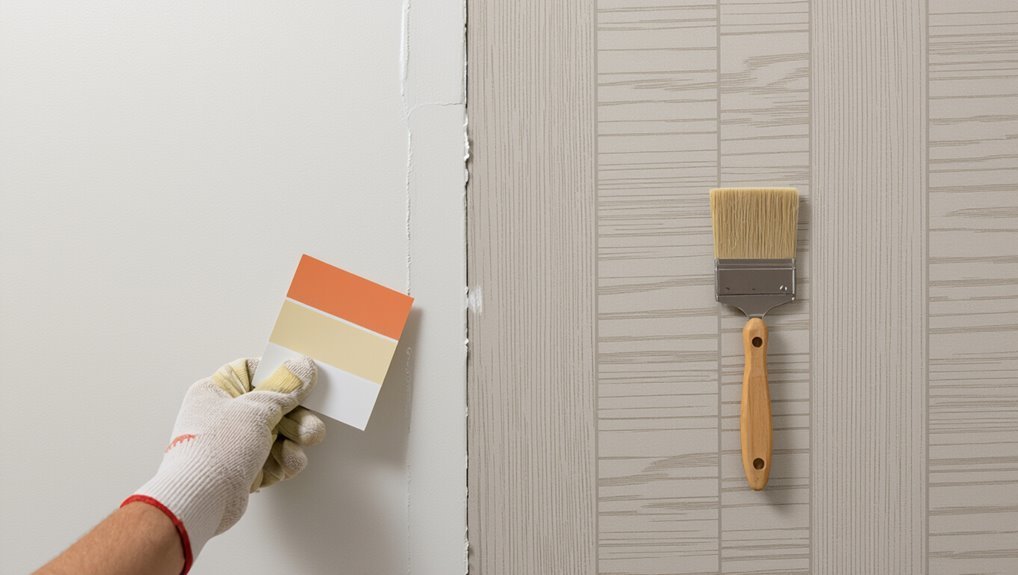
What kind of walls are you dealing with—plywood, drywall, or vinyl-coated paneling?
Identify wall materials by tapping, looking for seams, texture, and backing.
In older mobile home units you’ll often find thin plywood or textured gypsum; newer ones may use vinyl-coated panels.
Knowing the substrate guides prep, primer choice, and fastener needs so your paint job adheres and lasts without surprises.
Can You Paint a Mobile Home? Quick Answer & Warranty Notes
Curious whether you can paint your mobile home? Yes—you can paint most surfaces, but check warranty implications first; some manufacturers void coverage if you alter factory finishes or use heavy coatings.
Prioritize mobile home safety: use low-VOC paints, proper ventilation, and correct primers to avoid moisture or fire risks.
Consult your warranty documents and manufacturer before proceeding to guarantee compliance.
How to Identify Drywall, Paneling, and Vinyl Walls
Before you choose paint or primer, you’ll want to know exactly what you’re dealing with: drywall, wood paneling, or vinyl each need different prep and products.
Before painting, identify your surface—drywall, wood paneling, or vinyl—to choose the right prep and products.
Identify by feel, seams, and finish:
- Drywall: smooth, taped seams; composed of drywall materials and ready for joint compound.
- Paneling: visible grooves, wood grain; paneling features include backing and nails.
- Vinyl: flexible, glossy surface.
Simple Tests for Wall Material and Paint Adhesion
Before you start painting, you’ll want to identify whether the wall is drywall, paneling, or vinyl so you know what prep it needs.
Try an adhesion tape test by pressing and peeling strong tape to check if old paint flakes off.
Then do a small patch paint test in an inconspicuous spot to confirm adhesion and finish.
Identify Wall Material
Walls in a mobile home can be made from several materials—drywall, paneling, plywood, or thinner composite boards—so you’ll want to run a few quick checks to know what you’re working with and how paint will stick.
Use these quick checks to ID wall materials and common wall types:
- Tap for density and hollow sound.
- Inspect seams and backing.
- Scratch small, hidden area for texture.
Adhesion Tape Test
When you’re ready to check how well paint and primers will stick, use a simple adhesion tape test: press strong painter’s tape firmly to a clean, dry area, smooth it, then pull sharply at a 180° angle.
Inspect for film or flakes to identify adhesion challenges. Repeat in a few spots to confirm tape effectiveness before choosing primer or surface prep.
Small Patch Paint Test
After the tape test confirms surface grip, try a small patch paint test to see how paint and primer actually behave on your wall material.
You’ll verify adhesion, sheen, and true color before committing. Perform patch testing and evaluate color selection under different light.
- Clean a 6×6″ area.
- Prime, paint, wait 24 hours.
- Inspect adhesion, texture, shade.
Tools & Supplies You’ll Actually Need for Mobile-Home Paint Jobs
Before you start rolling, you’ll want the right paint and primer for thin drywall, vinyl, or painted wood so the finish sticks and hides imperfections.
You’ll also need a few specialized mobile-home tools—think mini rollers for narrow spaces, flexible trim brushes, and lightweight ladders or step stools that fit tight rooms.
Gather these basics first and you’ll save time and avoid common repainting headaches.
Essential Paint And Primers
Because mobile-home walls use thinner substrates and different coatings than stick-built houses, you’ll want paints and primers formulated for adhesion, flexibility, and moisture resistance.
Pick quality paint brands and match primer types to surface (metal, wood, vinyl).
Consider:
- Bonding primer for slick surfaces.
- Stain-blocking primer for discoloration.
- Latex enamel paint for durability and easy cleanup.
Specialized Mobile-Home Tools
A few specialty tools will make painting a mobile home far easier and give you a more professional result.
You’ll want mobile home brushes for trim, angled sash brushes for tight spots, a microfibre roller for textured panels, and quality wall preparation tools—sanders, putty knives, caulk gun, and patching compound.
A sturdy ladder, painter’s tape, and drop cloths finish the essential kit.
How to Clean and Degrease Mobile Home Walls
Start by removing loose dust and cobwebs with a microfiber cloth or vacuum brush, then tackle grease with a degreasing cleaner so paint will stick evenly.
Remove dust and cobwebs first, then degrease walls so paint adheres smoothly.
Use proper cleaning products during wall preparation and follow these steps:
- Wipe walls top-to-bottom with degreaser, rinse with clean water.
- Spot-clean stubborn stains with a sponge.
- Let walls dry fully before priming and painting.
Repairing Dents, Seams, and Damaged Paneling
Patch dents, re-seal seams, and replace or repair damaged panels so your walls look smooth and hold paint. You’ll do dents repair with lightweight filler, feather edges, and caulk seams. For rotten or warped sections choose paneling replacement or patching. Finish by priming repaired areas.
| Task | Tool |
|---|---|
| Dents repair | Filler |
| Seams | Caulk |
| Paneling replacement | Prybar |
When to Sand, Scuff, or De-Gloss Surfaces
Before you paint, decide whether the surface needs sanding, scuffing, or de-glossing based on its sheen and condition.
You’ll sand smooth wood or patched areas, scuff shiny or semi-gloss finishes to help primer stick, and use a de-glosser on slick vinyl or laminate.
Choosing the right prep keeps paint from peeling and gives you an even finish.
When To Sand
If a surface is glossy, peeling, or shows old paint buildup, you’ll need to sand, scuff, or de-gloss it so new paint will adhere properly.
Use sanding techniques as part of surface preparation to create a keyable profile.
Steps:
- Sand glossy areas with 120–220 grit.
- Feather edges of peeling paint.
- Wipe dust thoroughly before priming.
Scuffing And De‑Gloss
Scuffing and de-glossing preps slick or shiny surfaces so paint will bond instead of sliding off; you’ll use abrasive pads, sandpaper, or chemical de-glossers to create a slightly roughened, keyable profile that primer and paint can grip.
You’ll choose scuffing techniques for light sheen and sanding for heavier gloss, or apply de glossing products on stubborn finishes, then wipe clean before priming.
Best Primers for Stained, Glossy, and Vinyl Walls : And How to Apply Them
When you’re dealing with stained, glossy, or vinyl walls in a mobile home, choosing the right primer makes the job possible rather than frustrating.
Use primer types suited to the surface and follow proper application techniques. Pick:
- Stain-blocking oil or shellac for tannin bleed.
- Bonding primer for glossy finishes.
- Vinyl-safe acrylic primer for PVC paneling.
Apply thin, even coats; sand between coats.
Best Paints for Mobile Home Walls: Drywall, Paneling, Vinyl
After priming stained, glossy, or vinyl surfaces correctly, you’ll pick paint that matches each wall type’s needs: flat or matte paints hide imperfections on drywall, satin or eggshell finishes resist scuffs on wood or paneling, and specially formulated acrylics or vinyl-safe paints stick to PVC without peeling.
Choose durable paint types that suit maintenance, and follow current color trends for cohesive, updated mobile-home interiors.
Choosing Paint Sheen for Mobile-Home Conditions
Think about how much wear your walls get when choosing a sheen—eggshell and satin stand up better to cleaning and traffic.
If durability is top priority, go with satin or semi-gloss in high-use areas.
Remember that higher sheens highlight surface imperfections, so flatter paints can hide bumps and seams.
Best Sheen For Durability
Pick a paint sheen that balances durability with the look you want, because mobile homes face higher wear from narrow rooms, frequent contact, and variable humidity.
Consider durability factors and sheen recommendations for practical choices.
- Satin: forgiving, scrub-able, good hallway option.
- Semi-gloss: best for high-touch areas.
- Eggshell: softer look, moderate durability.
Sheen For Surface Imperfections
Because mobile-home walls often show dings, seams, and imperfect finishes, choosing the right sheen can either hide flaws or make them obvious—so aim for a lower-sheen finish in trouble spots.
You’ll prefer matte or eggshell where texture or blemishes show, while satin or semi-gloss suits trim.
Prioritize surface preparation to smooth areas, test sheen types on patches, and inspect under real light before committing.
Pick Colors That Make Small Mobile Home Rooms Feel Larger
Want your small mobile home rooms to feel roomier without remodeling? Use color psychology to create a space illusion that opens rooms.
- Pick light neutrals to reflect light and enlarge sightlines.
- Add cool hues (soft blues/greens) for receding walls.
- Use monochromatic tones and trim contrast to unify space and avoid visual breaks.
Wet-Area Strategies: Bathrooms, Kitchens, and Laundry Rooms
When you’re painting bathrooms, kitchens, or laundry rooms in a mobile home, choose moisture-resistant finishes and practical colors that hide wear while keeping the space bright and clean.
Focus on moisture control by venting, sealing seams, and using mildew-resistant primer.
For paint selection, pick satin or semi-gloss for easy cleaning, match tones to fixtures, and prioritize durability over trend.
Masking, Taping, and Protecting Trim and Floors
Before you paint, protect trim and floors methodically to keep clean lines and avoid costly touch-ups.
Use proven masking techniques and simple preparation methods to speed work and prevent splatters.
- Tape edges: apply painter’s tape for crisp trim protection.
- Cover floors: lay durable floor coverings and secure seams.
- Remove hardware: protect fixtures and vents before painting.
How to Cut In Cleanly Around Fixtures, Vents, and Outlets
To cut in neatly around outlets, vents, and fixtures, work slowly with the right tools and steady hands so you don’t splatter paint or nick finishes.
Use angled brushes, steady elbows, and painter’s tape for tight edges.
Address fixture challenges by removing covers, painting around fixed edges, and using small brushes for precision.
Practice cutting techniques on scrap before tackling walls.
How to Roll Paneling for Even Coverage (Techniques & Tips)
Before you start rolling, make sure you prep the paneling surface by cleaning, sanding any glossy spots, and filling gaps so paint adheres evenly.
Pick the right roller nap for the paneling texture—short nap for smooth panels, longer nap for deep grooves.
Work in manageable sections, maintaining a wet edge and using light, even pressure to avoid lap marks.
Prep Paneling Surface
Get the paneling ready so your roller will lay down smooth, even coats without dragging or leaving streaks.
Focus on surface cleaning and paneling preparation to guarantee adhesion. Do these steps:
- Wipe walls with degreaser and dry fully.
- Sand glossy areas lightly and remove dust.
- Fill gaps, caulk seams, and prime bare or worn spots before painting.
Choose Right Roller
One good roller can make or break your finish, so pick the right nap, size, and quality for paneling to get even coverage without texture buildup.
For roller selection, choose a short to medium nap (3/8″–1/2″) for smooth or lightly textured paneling.
Test roller types on a scrap board; prefer high-density covers for less lint and consistent paint lay.
Roll In Sections
Start each wall by working in manageable vertical sections about 3–4 feet wide so you can keep a wet edge and blend strokes without lap marks.
Roll with steady pressure, overlap 50% and finish top-to-bottom.
Consider color selection and texture options when choosing nap and finish.
- Load roller evenly.
- Maintain wet edge.
- Feather edges as you go.
Painting Textured or Patterned Mobile-Home Surfaces
When you’re dealing with textured or patterned mobile-home walls, you’ll need to adjust your prep and technique so the finish looks even and professional.
Clean grooves, repair damage, and sand lightly. Use a thick-nap roller and brush into crevices for textured surfaces.
For patterned finishes, follow patterns’ direction, feather edges, and consider tinted primer to avoid blotchy coverage and visible seams.
How Many Coats You Need and Drying Times
After you’ve prepped textured or patterned walls and laid down a good base, you’ll need to think about how many coats of paint to apply and how long each must dry.
Follow this quick guide:
- One coat may cover light colors; check coats required for full opacity.
- Two coats are typical for uniform finish.
- Allow recommended drying times between coats, usually 2–4 hours.
Stopping Seams & Metal Studs From Cracking the Paint
If seams and metal studs shift even slightly, they’ll telegraph through your finish and cause cracks, so you should reinforce and flex‑joint those areas before painting.
You’ll apply seam sealing tape or mesh, cover with flexible joint compound, sand smooth, then use a flexible primer.
This system accommodates movement, providing reliable crack prevention and a durable, smooth painted surface in your mobile home.
How to Paint Exterior Skirting and Trim (Quick Tips)
Before you start, make sure you thoroughly prep the skirting and trim by cleaning, sanding, and priming any bare or damaged areas.
Pick a weatherproof exterior paint and compatible primer so your work resists moisture and UV.
Use smooth, even strokes with the right brushes or a small sprayer, then plan regular touch-ups to keep everything sealed and looking sharp.
Prep The Surfaces
Start by clearing and inspecting the skirting and trim so you know exactly what needs work—wash away dirt and mildew, remove loose paint or rust, and check for dents or gaps that need filling.
For proper wall preparation and surface cleaning, follow these steps:
- Scrub with detergent and rinse.
- Sand rough spots; remove rust.
- Fill gaps, prime bare metal or wood.
Choose Weatherproof Paint
Now that the surfaces are clean and repaired, pick a weatherproof paint that will actually hold up on exterior skirting and trim.
Choose from weatherproof options like acrylic latex or oil-based urethane for superior paint durability.
Match finish to exposure—satin hides imperfections, semi-gloss resists grime.
Check UV and mildew resistance ratings, buy quality primer, and confirm compatibility with existing materials before you start.
Paint Technique And Maintenance
Lay down clean drop cloths, mask edges with painter’s tape, and work from top to bottom so drips don’t ruin finished areas; use long, even strokes with a high-quality brush or a small roller for consistent coverage on skirting and trim.
Follow these quick tips:
- Sand and clean for adhesion and improved paint longevity.
- Match trim technique to wall texture to avoid visible seams.
- Recoat thinly, inspect, touch up annually.
Fixing Lap Marks, Drips, Blisters, and Other Problems
When you notice lap marks, drips, blisters, or other paint flaws, don’t panic—most can be repaired without repainting the whole wall.
Sand glossy blisters, scrape drips, feather edges, and prime bare spots.
Use lap mark solutions like even coverage and proper roller technique, follow paint blister remedies for adhesion, apply drip prevention tips, and address small blemishes with precise wall problem fixes to restore finish.
Cleanup: Removing Tape, Storing Leftover Paint, and Tool Care
After you’ve repaired laps, blisters, and drips, finish the job by removing masking tape, storing leftover paint correctly, and cleaning your tools so they’re ready for next time.
Follow these cleanup tips:
- tape removal: pull tape at 45° while paint’s tacky to avoid peeling.
- paint storage: seal cans, label color/date, store cool/dry.
- tool maintenance: clean brushes/rollers promptly and hang to dry.
Maintenance Tips to Keep Mobile Home Walls Looking Fresh
Keep walls looking fresh by setting up a simple routine: dust and spot-clean monthly, address stains and scuffs as soon as you see them, and touch up chips with the leftover paint you labeled during cleanup. Do wall cleaning regularly, inspect for damage, and perform basic paint maintenance to extend finishes.
| Task | Frequency | Tool |
|---|---|---|
| Dusting | Monthly | Microfiber |
| Spot-clean | As needed | Mild cleaner |
| Touch-ups | When chipped | Small brush |
Cost Breakdown: DIY vs Hiring a Pro for Mobile-Home Painting
Maintaining your walls helps delay full repaints, but at some point you’ll need to decide whether to tackle painting yourself or hire a pro — and that choice comes down to cost, time, and the look you want.
Do a cost comparison:
- DIY: lower materials cost, more time.
- Pro: higher upfront, consistent finishes.
- Hybrid: hire for prep; DIY finish.
Consider professional rates vs your time.
Repaint Timing & Alternate Wall Treatments + Quick Finish Checklist
When you’re deciding whether it’s time to repaint, look for fading, stains, peeling, or odor—and if several walls show wear, plan for a full refresh rather than spot fixes.
Watch for fading, stains, peeling, or odors—if multiple walls show wear, opt for a full repaint, not spot fixes.
Consider repaint frequency considerations: high-traffic rooms may need paint every 3–5 years.
Explore alternative wall treatments like beadboard, peel-and-stick panels, or wallpaper.
Quick finish checklist: clean, sand, prime, caulk, paint, ventilate.
Frequently Asked Questions
Can Painting Affect Mobile Home Insurance Coverage?
Yes — painting can affect your policy. You’ll want to check insurance implications and possible coverage adjustments, since major alterations or hazardous materials might require disclosures, inspections, or rider changes to keep your protection intact.
Can You Paint Over Wallpaper Safely?
Yes — but don’t pretend wallpaper’s your friend: strip or score it first. You’ll avoid peeling messes by doing wallpaper removal, thorough painting preparation, and priming; then you can safely paint over for a clean, lasting finish.
How to Handle Lead Paint in Older Mobile Homes?
You should treat lead paint in older mobile homes as hazardous: test first, avoid sanding, contain dust, use HEPA vacuums, wear respirators and disposable suits, and hire certified abatement pros if paint’s deteriorating or you’re doing major renovation.
Can Decals or Stickers Damage Newly Painted Walls?
Yes — stickers can wreck fresh paint. You’ll want proper wall preparation so paint adhesion’s solid; otherwise adhesive pull or residue’ll peel or dull finish. Use low-tack decals, wait full cure, and test a hidden spot first.
Are There Voc-Free Paint Options for Mobile Homes?
Yes — you can choose VOC-free, eco friendly paints for mobile homes. You’ll find low- or zero-VOC options; follow proper paint application, ventilation, and priming to guarantee adhesion and durable, healthy results throughout your space.
Conclusion
You can definitely paint your mobile home — think of it like giving an old book a fresh cover. I once helped my aunt repaint her 1994 single-wide; three coats later, guests kept asking if we’d renovated. Studies show fresh paint can boost perceived value by up to 5%, and that small effort renewed her pride. With the right prep and materials, you’ll revive your walls and feel that same quiet satisfaction every time you walk in.
